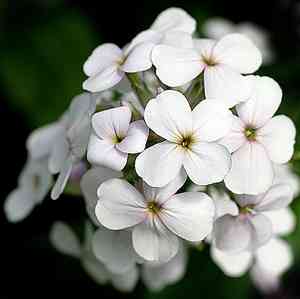
Dame's rocket (Hesperis matronalis)
Also known as: Sweet rocket, Wild phlox
Dame's Rocket (Hesperis matronalis) was brought to North America from Europe as an ornamental plant. Over time, it spread widely and is now deemed invasive in many states' woodlands and prairies. A distinctive feature of this plant is that its flowers and seed pods grow concurrently.
In This Article
Attributes of Dame's rocket
Lifespan
Perennial, Biennial, Annual
Plant Type
Herb
Plant Height
40 cm to 1 m
Spread
30 cm to 40 cm
Leaf Color
Green
Flower Size
2 cm
Flower Color
White Purple Violet Pink
Images of Dame's rocket
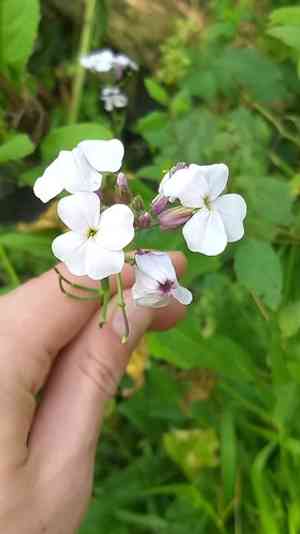
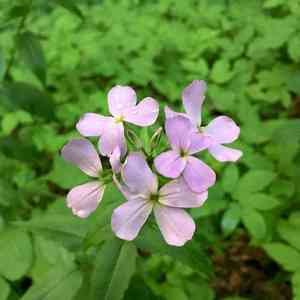
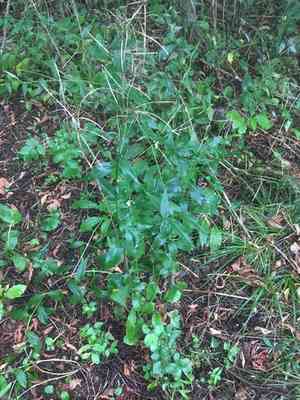
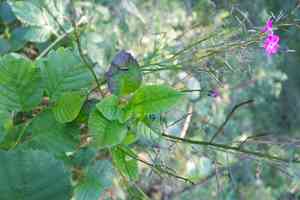
Quickly Identify Dame's rocket
1
Fragrant flowers with four petals in violet to pale pink, 0.5-0.75 inches (1.3-1.9 cm) wide.
2
Alternate lanceolate leaves, 2-6 inches (5-15 cm) long, dentate margins, rough texture.
3
Elongated clusters of flowers emit clove-like scent, intensifying in the evenings.
4
Cylindrical silique fruit, 2-4 inches (5-10 cm) long, evolving from green to straw-like color.
5
Tall plant, 2-3 feet (60-90 cm) high, with stout stems and bushy growth habit.
Scientific Classification of Dame's rocket
Phylum
Vascular plants
Class
Dicotyledons
Order
Brassicales
Family
Cruciferae
Genus
Rocket
Species
Dame's rocket
Planting and Growing of Dame's rocket
Care Difficulty
Easy
Watering Schedule
Every 2 days
Sunlight Requirements
Full sun
Sunshine Duration
6-10 hours
Ideal Temperature
60-75℉
Soil Type
Potting Mix, Peat Mix
Soil pH
6.5-7.5
Fertilizer Type
Balanced
Pruning Season
Spring, Summer
Pruning Area
Branches, Leaves
Pruning Frequency
Once a year
Repotting Season
Spring
Pot Type
Plastic, Ceramic
 How to Water Dame's rocket?
Hesperis matronalis, commonly known as Dame's Rocket, prefers soil that is consistently moist but not waterlogged. When watering, aim for about 300 ml each time, ensuring that the soil feels damp at least an inch below the surface. Avoid letting water pool at the base to prevent root rot.
More About Watering Techniques→
What are the symptoms of an underwatered Dame's rocket?
›
What should I do if my Dame's rocket is not getting enough water?
›
What are the symptoms of an overwatered Dame's rocket?
›
How to save an overwatered Dame's rocket?
›
 What Are the Sunlight Requirements for Dame's rocket?
Hesperis matronalis thrives in partial sun where it gets 4-8 hours of sunlight, as it balances the need for light while preventing leaf scorch.
More About Sunlight Requirements Techniques→
What is the best light condition for Hesperis matronalis?
›
How can I ensure my Hesperis matronalis gets the ideal light?
›
What happens when Hesperis matronalis receives optimal light?
›
 What Is the Ideal Temperature Range for Dame's rocket?
The ideal temperature range for growing Hesperis matronalis falls between 60 and 75°F. This range allows the plant to efficiently perform photosynthesis and maintain healthy growth. At this state, the plant manages to sustain its metabolic processes actively, resulting in optimum growth conditions.
 What Soil is Best for Dame's rocket?
Hesperis matronalis thrives in well-drained soils that prevent waterlogging, which can damage the roots. Ensuring proper drainage helps promote healthy root development and reduces the risk of root diseases. This plant benefits from nutrient-rich soils to support its robust growth and vibrant flowering. Organic matter such as compost can be added to enrich the soil and improve fertility, thus enhancing the plant's health. Hesperis matronalis prefers soils that retain some moisture but aren't overly wet. Maintaining moderately moist conditions is essential for optimal growth, as it ensures the plant stays hydrated without suffocation.
More About Soil→
 How to Fertilize Dame's rocket?
When it comes to fertilizing Hesperis matronalis, moderation is key. Apply about half the recommended dosage specified on the fertilizer packaging, typically around 1 tablespoon of granular or 1 tablespoon per gallon for liquid fertilizers. This helps to prevent over-fertilization while providing the essential nutrients the plant needs for vigorous growth and flowering.
More About Fertilizing Techniques→
 How to Prune Dame's rocket?
Begin by inspecting the plant for any dead, damaged, or weak stems. Remove these to encourage new, healthy growth. Doing so will improve air circulation and light penetration, enhancing overall plant health. Once the blooming period is over, trim back the flowering stems to about half their length. This encourages new blooms and prevents the plant from self-seeding excessively, which can sometimes lead to unwanted spreading. Consider shaping the plant by cutting back straggly or unruly stems. This maintains an aesthetically pleasing form and promotes a denser growth habit, resulting in a fuller appearance.
More About Pruning Techniques→
 How to Propagate Dame's rocket plant?
1
Begin by filling a seed tray with a quality seed-starting mix. Moisten the soil lightly, then evenly distribute the seeds on the surface. Cover them lightly with more soil, and place the tray in a warm area with indirect sunlight.
2
Select healthy stems that are not flowering. Use a sharp knife or pruners to cut below a node. Remove the lower leaves and dip the cut end in rooting hormone before planting it in a pot with a suitable growing medium.
3
Carefully dig up the mature plant, ensuring the roots remain intact. Divide the root ball into sections, each with growth nodes and roots. Replant these divisions immediately into well-prepared soil, water thoroughly, and keep them shaded until established.
 How to Repot Dame's rocket plant?
1
The signs that Hesperis matronalis needs repotting include roots growing out of the drainage holes, water sitting on the surface for too long, or the plant looking stunted. Ideal repotting times are in spring or autumn, when the plant is not in active bloom, providing it time to adjust before the growing season.
2
Select a pot that is one size larger than the current one, ensuring it has good drainage holes. A slightly bigger pot will offer enough room for new root growth without overwhelming the plant. This balance is crucial as it prevents overwatering, which can lead to root rot.
3
Hesperis matronalis thrives best in a well-draining potting mix, rich in organic matter. Such soil ensures adequate drainage and retains the right amount of moisture, providing a balanced environment for roots to thrive, preventing both waterlogging and dehydration.
Learn More About Dame's rocket Diseases
Bacterial Leaf Spot
Bacterial Soft Rot
Clubroot
Crown Gall
Cyst Nematode
Damping-off
Downy Mildew
Drought Stress
Fusarium Wilt
Gray Mold
Leaf Spot
Mosaic
Nutrient Deficiency
Nutrient Toxicity
Powdery Mildew
Root Rot
Root-knot Nematode
Rusts
Sooty Mold
Spider Mites
Temperature Stress
Thrips Damage
White Mold
Chemical Injury



