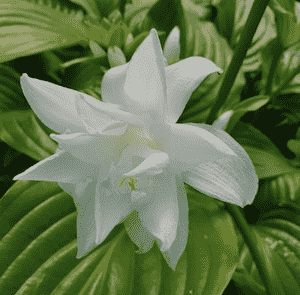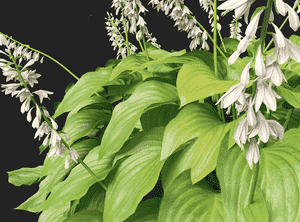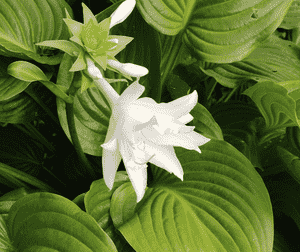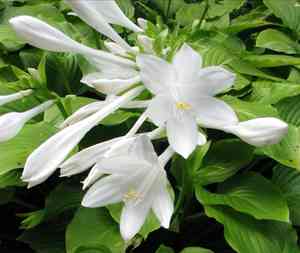
August lily(Hosta plantaginea)

August lily (Hosta plantaginea)

Also known as: Corfu lily

Hosta plantaginea, originating from Asia, is known for its broad, glossy, heart-shaped leaves with prominent parallel veins. Distinctive within its genus, it boasts large, fragrant, white, trumpet-shaped flowers that bloom in late summer. This plant is particularly suited for shaded or north-facing gardens and can handle high humidity and warmth, making it versatile for various garden conditions. Its low maintenance, combined with its ability to illuminate darker garden areas and attract pollinators, makes it highly popular among gardeners.

Attributes of August lily

Lifespan
Perennial
Plant Type
Herb
Plant Height
30 cm to 60 cm
Spread
50 cm to 1.2 m
Leaf Color
Green
Flower Size
2.5 cm to 7 cm
Flower Color
White

PlantJoy - Identify plants with a snap

Identify and diagnose plants, get toxicity alerts, and explore safety guides for all types of fungi.

Try for Free

Images of August lily

August lily(Hosta plantaginea)

Quickly Identify August lily

1
Stemless perennial, forming lush clumps 1-3 feet (30-90 cm) in height and width.
2
Large, pristine white trumpet-shaped flowers measuring around 6 inches (15 cm) in length.
3
Loculicidal capsule fruit, elongated, dry, and papery, measuring 1-2 inches (2.5-5 cm) in length.
4
Bright green-yellow, round to heart-shaped leaves with distinct parallel veins, up to 10 inches (25 cm) long.
5
Distinctive flower display on leafy-bracted stalk with tubular structure flaring into bell-shaped corolla tip.

Scientific Classification of August lily

Phylum
Vascular plants
Class
Monocotyledons
Order
Asparagus and allies
Family
Asparagus
Genus
Hostas
Species
August lily

Planting and Growing of August lily

Care Difficulty
Easy
Watering Schedule
Every 4 days
Sunlight Requirements
Partial sun
Sunshine Duration
6-10 hours
Ideal Temperature
60-75℉
Soil Type
Potting Mix, Peat Mix
Soil pH
6.5-7.5
Fertilizer Type
Balanced
Pruning Season
Spring, Summer
Pruning Area
Branches, Leaves
Pruning Frequency
2 times a year
Repotting Season
Spring
Pot Type
Plastic, Ceramic

water icon How to Water August lily?

For Hosta plantaginea, it's crucial to keep the soil consistently moist but not waterlogged. Water until the soil feels damp up to about 4 inches deep. This usually requires around 500 milliliters per watering session.
What are the symptoms of an underwatered August lily?
What should I do if my August lily is not getting enough water?
What are the symptoms of an overwatered August lily?
How to save an overwatered August lily?

sunlight icon What Are the Sunlight Requirements for August lily?

Sunlight Requirements: Partial sun, Full shade
Duration of light: 2-4 hours daily
Partial sun or full shade suits Hosta plantaginea, mimicking its natural habitat. This environment promotes lush foliage and enhances the plant’s vigor, as it balances light needs without overexposure.
How much sun does Hosta plantaginea need?
What is the best location for Hosta plantaginea?
How does proper lighting affect Hosta plantaginea?

temperature icon What Is the Ideal Temperature Range for August lily?

Ideal Temperature: 60 ~ 75℉
Hosta plantaginea thrives best between 60 and 75°F. This temperature range supports ideal metabolic processes and healthy photosynthesis, encouraging lush growth and vibrant blooms. Consistently maintaining temperatures within this range ensures the plant's development and flowering potential are fully realized.

soil icon What Soil is Best for August lily?

Soil type: Loam, Sandy loam
Soil PH: 6.5 ~ 7.5
Hosta plantaginea thrives in well-drained soil that prevents waterlogging, reducing the risk of root rot while allowing healthy root development and nutrient absorption. The plant prefers soil that retains moisture effectively, ensuring consistent hydration, promoting vigorous growth, and maintaining lush foliage. A nutrient-rich soil is essential for the vibrant blooms and overall health of Hosta plantaginea, supporting strong growth and resilience against pests and diseases.

fertilize icon How to Fertilize August lily?

Fertilizer type: Balanced
Hosta plantaginea, known for its lush foliage and aromatic blooms, benefits from balanced fertilizers. For liquid fertilization, a solution of 20-20-20 NPK every two weeks in the growing season is ideal. For slow-release, a balanced granular fertilizer applied sparingly, thrice a year, ensures sustained nutrient availability.

prune icon How to Prune August lily?

Pruning Time: Spring, Summer, Autumn
Begin by carefully inspecting your Hosta plantaginea for leaves that are brown, wilted, or showing signs of disease. These are the leaves that require removal. Hold the damaged leaf gently and cut as close to the base as possible without damaging the central stem. This clean cut helps the plant to heal faster. Keep an eye on new growth after pruning. Provide adequate water and nutrients, ensuring the plant is not stressed by external factors such as pests or extreme weather.

propagate icon How to Propagate August lily plant?

Propagate Time: Spring, Late spring, Early spring
1
Before dividing the hosta, water the plant thoroughly a day before to ensure the roots are well-hydrated, making the process smoother and less stressful for the plant.
2
Carefully dig up the hosta using a spade and split it into smaller sections, each with at least one or two eyes. Use a sharp knife, if necessary, to make clean cuts between clumps.
3
Replant the divisions in prepared soil at the same depth as the original plant, ensuring the eyes are just above the soil surface. Water them well to help settle the soil around the roots.

repot icon How to Repot August lily plant?

Repotting frequency: Every 2-3 years
1
Hosta plantaginea typically requires repotting when you notice its roots are crowding the pot or growing out of the drainage holes. This species thrives when given ample room for its roots to spread, enhancing its vitality and bloom production. Therefore, paging for repotting every couple of years is ideal, particularly if new leaves appear stunted.
2
Select a pot that is 2-3 inches larger in diameter than the current one. This allows sufficient space for root growth, promoting healthy development. Ensure the pot has drainage holes to prevent water accumulation, which could lead to root rot. Choosing a ceramic or terracotta pot can also help with moisture retention and airflow better than plastic ones.
3
Opt for a well-draining, nutrient-rich soil mix, ideally one that contains organic matter like compost to support growth. Such a mix ensures balanced moisture retention without causing water-logging, crucial for the lush foliage of Hosta plantaginea. Incorporating some perlite can further ensure adequate drainage, enhancing root health.

PlantJoy - Identify plants with a snap

Find the best spots for them to optimize their health, simply using your phone.

Try for Free

Toxicity of August lily

Is August lily toxic to cat?

The august lily (Hosta plantaginea) is a widely favored choice for shaded gardens, yet it presents a genuine threat to feline companions. Every part of this plant, from the roots to the leaves and blooms, harbors toxic saponins. The most prevalent effects of ingestion include gastrointestinal distress, manifesting as vomiting and diarrhea. Consuming substantial quantities could potentially harm the circulatory system.

Is August lily toxic to dog?

The august lily possesses moderate toxicity for dogs, primarily due to the presence of saponins found throughout all sections of the plant. Affected canines may exhibit symptoms such as abdominal discomfort, vomiting, diarrhea, bloating, and general distress. Ingesting significant quantities is usually not lethal, but seeking veterinary care is recommended. Additionally, contact with the plant may trigger skin irritation.

Identify toxic plants for your safety

Learn which plants are harmful to you and your pets, and make informed choices for a safer home!

Try for Free
WARNING
The judgment on toxicity and danger is for reference only. We DO NOT GUARANTEE any accuracy of such judgment. Therefore, you SHALL NOT rely on such judgment. It is IMPORTANT TO SEEK PROFESSIONAL ADVICE in advance when necessary.