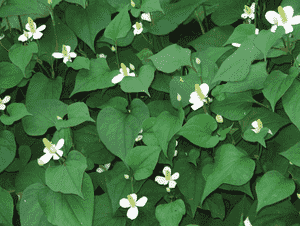
Chameleon plant (Houttuynia cordata)
Also known as: Fish mint, Heart leaf, Bishop's weed
The Chameleon Plant, also known as Houttuynia cordata, is a perennial low-growing shrub notable for its vivid, multicolored leaves that emerge in spring with a striking blend of red, green, and white. The plant's name reflects its colorful appearance. During the summer, it produces white flowers with bristle-like centers. This plant is frequently used in Vietnamese and Chinese culinary dishes.
Attributes of Chameleon plant
Images of Chameleon plant
Quickly Identify Chameleon plant
Scientific Classification of Chameleon plant
Planting and Growing of Chameleon plant
 How to Water Chameleon plant?
 What Are the Sunlight Requirements for Chameleon plant?
 What Is the Ideal Temperature Range for Chameleon plant?
 What Soil is Best for Chameleon plant?
 How to Fertilize Chameleon plant?
 How to Prune Chameleon plant?
 How to Propagate Chameleon plant plant?
 How to Repot Chameleon plant plant?
Toxicity of Chameleon plant
Is Chameleon plant toxic to humans?
The chameleon plant is devoid of any inherent toxins; on its own, it poses little risk. Yet, this plant has the ability to extract both mercury and methylmercury from contaminated soil, accumulating a considerable amount in its tissues without showing any harm to itself. By the time a person consumes the plant, it may contain sufficient levels of the toxic metal to lead to mercury poisoning. The highest concentrations are typically found in the roots and leaves, with lesser amounts in the rhizomes and aboveground stems. Mercury is extremely toxic even in trace amounts, thus making chameleon plants thriving in polluted environments a serious threat. Mercury primarily targets the nervous system. Symptoms of mercury poisoning can manifest as tingling or a pins-and-needles sensation in the fingers, toes, and around the mouth, along with progressively worsening tunnel vision, weakness, tremors, coordination difficulties, memory impairments, hearing loss, speech issues, and brain damage, particularly in infants and small children. It is crucial to remove this plant promptly if it appears in your garden, particularly if you reside in an urban area or are uncertain about the quality of your soil.



