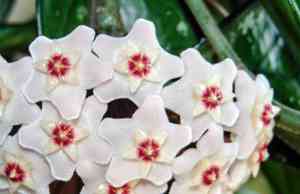
Porcelainflower (Hoya carnosa)
Also known as: Rope hoya
The Spider Plant, native to East Asia and Australia, is a popular houseplant recognized for its ability to improve indoor air quality. Additionally, its small white flowers produce nectar that can attract pollinators.
In This Article
Plant Comprehensive Care Guide: Beginner's Introduction and Key Details
Perfect for beginners starting their plant care journey
→
10 Secrets to Making Porcelainflower Grow Faster (A Must-Read for Beginners)
Advanced tips to accelerate your plant's growth
→
Care "Black Tech": 10 Little-Known Highly Effective Maintenance Tips
Expert-level techniques for optimal plant care
→
Attributes of Porcelainflower
Lifespan
Perennial
Plant Type
Succulent, Vine, Herb
Plant Height
6 m
Spread
45 cm
Leaf Color
Green Gray Silver
Flower Size
1.5 cm to 2 cm
Flower Color
White Pink Red
Images of Porcelainflower
Quickly Identify Porcelainflower
1
Thick, dark-green ovate leaves, 2-4 inches (5-10 cm) long with silver or creamy variegation.
2
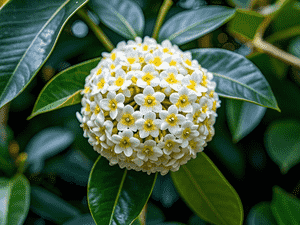
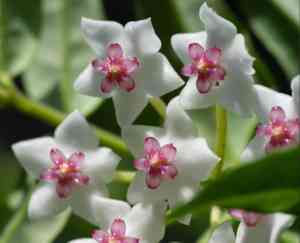
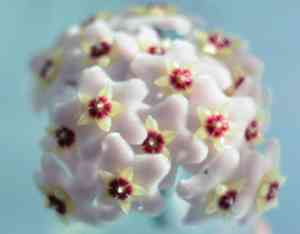
Fragrant, light pink flowers with star-shaped centers, forming dense spherical clusters.
3
Vining spread can reach 12-15 feet (3.7-4.5 meters) with sweet-smelling blooms.
4
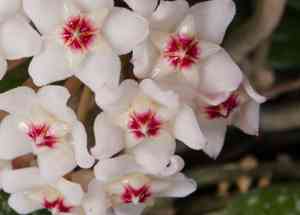
Star-shaped white flowers with faint pink tints, hairy texture, and sweet fragrance.
5
Small, dry, dehiscent fruit pods less than 0.4 inches (1 cm) in length, releasing seeds.
Scientific Classification of Porcelainflower
Phylum
Vascular plants
Class
Dicotyledons
Order
Gentians, dogbanes, madders, and allies
Family
Dogbane
Genus
Waxplants
Species
Porcelainflower
Planting and Growing of Porcelainflower
Care Difficulty
Easy
Watering Schedule
Every 2 days
Sunlight Requirements
Partial sun
Sunshine Duration
6-8 hours
Ideal Temperature
60-85℉
Soil Type
Potting Mix, Peat Mix
Soil pH
6.5-7.5
Fertilizer Type
Balanced
Pruning Season
Spring, Summer
Pruning Area
Branches, Leaves
Pruning Frequency
2 times a year
Repotting Season
Spring
Pot Type
Plastic, Terracotta
 How to Water Porcelainflower?
Hoya carnosa, commonly known as the wax plant, prefers its soil to dry out between waterings. Use approximately 200 ml of water each time, ensuring you provide enough to reach the root zone without leaving the soil overly saturated. The amount should fully moisten the soil, but any excess should drain away freely.
More About Watering Techniques→
What are the symptoms of an underwatered Porcelainflower?
›
What should I do if my Porcelainflower is not getting enough water?
›
What are the symptoms of an overwatered Porcelainflower?
›
How to save an overwatered Porcelainflower?
›
 What Are the Sunlight Requirements for Porcelainflower?
Hoya carnosa thrives in partial sun, meaning it should be exposed to medium light levels for optimal leaf health and well-being.
More About Sunlight Requirements Techniques→
Preferred Environment
›
Solutions for Ideal Lighting
›
Benefits of Ideal Lighting
›
 What Is the Ideal Temperature Range for Porcelainflower?
Hoya carnosa thrives best in temperatures ranging from 60°F to 85°F. This range allows the plant to carry out photosynthesis efficiently while avoiding stress. Keeping the temperature within this range encourages optimal growth and blooming, making it critical for maintaining the plant's overall health and vitality.
 What Soil is Best for Porcelainflower?
Hoya carnosa thrives in well-drained soil, which helps prevent root rot by allowing excess water to escape. The plant's roots prefer conditions where water doesn't linger, mimicking its natural epiphytic environment. The plant benefits from soil enriched with organic matter, providing ample nutrients vital for its growth. Organic components help in sustaining healthy leaf development and promote vibrancy in foliage. The soil must offer a balance between drainage and moisture retention, preventing dehydration without remaining soggy. This balance ensures the plant remains hydrated during drier spells without succumbing to overwatering.
More About Soil→
 How to Fertilize Porcelainflower?
Hoya carnosa benefits from a light hand when it comes to fertilization. Generally, a balanced 20-20-20 liquid fertilizer diluted to half strength is ideal. This means using about 1/2 teaspoon for every gallon of water, ensuring the solution isn’t too strong for the plant.
 How to Prune Porcelainflower?
Begin by using sharp, clean scissors or pruning shears to remove any dead or yellowed leaves. Trim back any excessively long vines to your desired length, cutting just above a leaf node to encourage new growth. Be mindful of maintaining a balanced appearance by evenly reducing the length of multiple vines, rather than focusing on just one. This approach will stimulate denser foliage and help train your Hoya plant to grow in a more controlled and attractive manner.
 How to Propagate Porcelainflower plant?
1
Select a healthy vine with at least two to three nodes. Make sure it's free from disease and take a cutting that is around four to six inches in length.
2
Remove any leaves from the lower node, leaving at least one or two leaves on top. Dip the cut end in rooting hormone to enhance root development.
3
Plant the cutting in a well-draining potting mix. Bury the first node under the soil, ensuring it's stable and upright.
 How to Repot Porcelainflower plant?
1
Look for signals such as roots growing out from the drainage holes or the plant's overall health decline. Spring and summer are ideal times since the plant is actively growing and can recover quickly from the shock of repotting. Avoid repotting in autumn or winter when growth slows.
2
Select a pot slightly larger than the current one, with good drainage holes to prevent waterlogging. A snug pot encourages flower production, while an oversized one could lead to root rot. The material can vary, but terracotta is great for moisture control.
3
Use a well-draining mix, combining orchid bark, perlite, and peat moss. This combination mimics the native environment of Hoya carnosa, ensuring roots receive ample air circulation and preventing root rot. A balanced mix supports healthy growth and vibrant blooms.
Toxicity
ingestion or contact with sap
WARNING
The judgment on toxicity and danger is for reference only. We DO NOT GUARANTEE any accuracy of such judgment. Therefore, you SHALL NOT rely on such judgment. It is IMPORTANT TO SEEK PROFESSIONAL ADVICE in advance when necessary.



