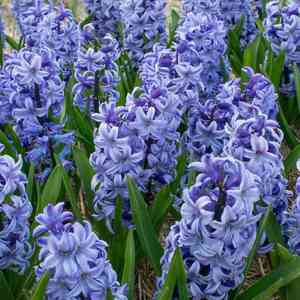
Common hyacinth(Hyacinthus orientalis)

Common hyacinth (Hyacinthus orientalis)

Also known as: Garden hyacinth, Wild hyacinth

The common hyacinth, scientifically known as Hyacinthus orientalis, is one of spring's early blooms. Its name is derived from the Greek mythological figure, Hyacinthus. In the legend, Hyacinthus was a handsome youth loved by both Apollo and Zephyrus. Tragically, he was killed, leading to a flower sprouting from the place where his blood touched the ground. In memory of his beloved, Apollo named this new flower "hyacinth." This story reflects themes of love, beauty, and the cycle of life and death.

Attributes of Common hyacinth

Lifespan
Perennial
Plant Type
Herb
Plant Height
15 cm to 50 cm
Spread
7 cm to 10 cm
Leaf Color
Green
Flower Size
2.5 cm
Flower Color
White Purple Blue Red Yellow Pink Orange Cream Lavender Violet Burgundy

PlantJoy - Identify plants with a snap

Identify and diagnose plants, get toxicity alerts, and explore safety guides for all types of fungi.

Try for Free

Images of Common hyacinth

Common hyacinth(Hyacinthus orientalis)

Quickly Identify Common hyacinth

1
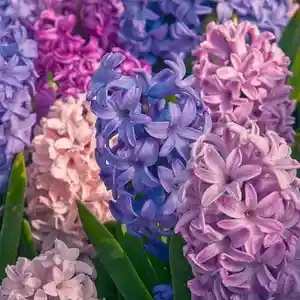
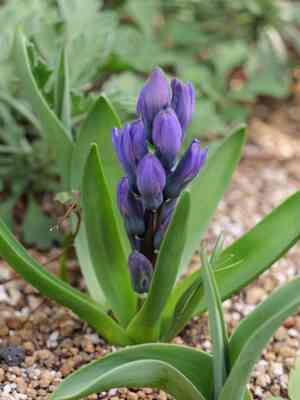
Bell-shaped flowers with star-like curling petal tips.
2
Lance-shaped glossy leaves around 1 inch (2.5 cm) wide.
3
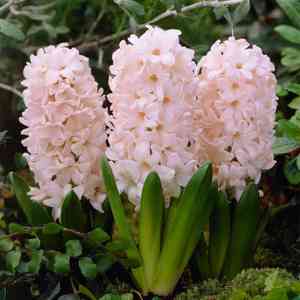
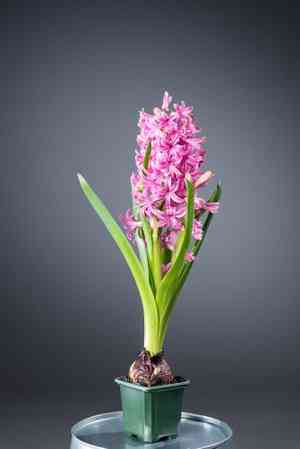
Highly fragrant funnel-shaped flowers in colors like white, blue, or pink.
4
Fleshy spherical capsules, 0.5 to 1 inch (1.27 to 2.54 cm) diameter.
5
Bright green leaves, 6 to 14 inches (15 to 35 cm) long.

Scientific Classification of Common hyacinth

Phylum
Vascular plants
Class
Monocotyledons
Order
Asparagus and allies
Family
Asparagus
Genus
Hyacinths
Species
Common hyacinth

Planting and Growing of Common hyacinth

Care Difficulty
Easy
Watering Schedule
Every 4 days
Sunlight Requirements
Full sun
Sunshine Duration
6-10 hours
Ideal Temperature
60-70℉
Soil Type
Potting Mix, Peat Mix
Soil pH
6.5-7.5
Fertilizer Type
Balanced
Pruning Season
Spring, Summer
Pruning Area
Branches, Leaves
Pruning Frequency
2 times a year
Repotting Season
Spring
Pot Type
Plastic, Ceramic

water icon How to Water Common hyacinth?

Hyacinthus orientalis prefers soil that is consistently moist but not waterlogged. Water the plant until the soil is soaked to a depth of 5 cm, but ensure that there is no standing water. This usually means giving about 150 ml of water each time.
What are the symptoms of an underwatered Common hyacinth?
What should I do if my Common hyacinth is not getting enough water?
What are the symptoms of an overwatered Common hyacinth?
How to save an overwatered Common hyacinth?
More About Watering Techniques

sunlight icon What Are the Sunlight Requirements for Common hyacinth?

Sunlight Requirements: Full sun, Partial sun
Duration of light: 6 to 8 hours
Hyacinthus orientalis benefits most from areas offering partial to full sun, 6 to 8 hours daily. Adequate light encourages optimal blooming, providing energy necessary for the plant's vibrant flowering displays.
Ideal Light Intensity
Optimal Light Duration
Solutions to Achieve Ideal Lighting
More About Sunlight Requirements Techniques

temperature icon What Is the Ideal Temperature Range for Common hyacinth?

Ideal Temperature: 60 ~ 70℉
For Hyacinthus orientalis, the optimal temperature for growth and blooming is between 60°F to 70°F. This range ensures the plant's metabolism functions efficiently, promoting healthy development and vibrant blooms.

soil icon What Soil is Best for Common hyacinth?

Soil type: Loam, Sandy loam
Soil PH: 6.5 ~ 7.5
Hyacinthus orientalis thrives in well-drained soil because it prevents root rot, which is a common issue in overly moist environments. Ensuring the soil does not retain excessive water will keep the plant healthy and vibrant. The plant benefits from nutrient-rich soil, especially one with a good amount of organic matter. This promotes robust growth and vibrant blooms. Regular compost addition can enhance soil fertility, providing essential nutrients for optimal development. Maintaining moderate moisture is crucial without letting the soil become waterlogged. Regular watering during dry spells helps keep the plant hydrated and supports healthy growth, ensuring the bulbs do not dry out and can successfully bloom. More About Soil

fertilize icon How to Fertilize Common hyacinth?

Fertilizer type: Balanced
For Hyacinthus orientalis, the fertilizer amount should be balanced and carefully measured. When using liquid fertilizer, dilute it to half the recommended strength to prevent over-fertilization. For slow-release fertilizers, apply 5-10 grams around the base of the plant, ensuring it is evenly spread. Proper nutrients play a vital role in supporting healthy blooms and foliage. More About Fertilizing Techniques

prune icon How to Prune Common hyacinth?

Pruning Time: Spring, Summer
After flowering, remove spent blooms from the plant. This practice, known as deadheading, helps prevent the plant from wasting energy on seed production. Use sharp scissors or pruning shears to cut the flower stalk just above the first set of healthy leaves. By focusing energy on the bulb rather than seed formation, you encourage a more vigor-laden plant for the next year. Once the leaves have naturally yellowed and withered, it's time to prune them back. Cut these leaves near the base of the plant to allow nutrients to return to the bulb. Do this carefully and gently to avoid disturbing the bulb, as breaking or uprooting it may impede growth in future seasons. This cleanup helps maintain a tidy garden environment and limits the risk of pests. More About Pruning Techniques

propagate icon How to Propagate Common hyacinth plant?

Propagate Time: Late summer, Early autumn
1
Collect seeds from the Hyacinthus orientalis once the flowering season has passed and the seed pods have dried. This ensures the seeds are mature and ready for planting.
2
Prepare a well-draining soil mix that is slightly acidic to neutral. This soil condition offers an optimal environment for seed germination and bulb establishment.
3
For division propagation, carefully separate bulbs ensuring each has roots and shoots. This promotes successful growth when replanted into a prepared garden bed.
More About Propagating Techniques

repot icon How to Repot Common hyacinth plant?

Repotting frequency: Every 1-2 years
1
Hyacinthus orientalis, commonly known as the Dutch hyacinth, needs repotting when you notice its roots beginning to outgrow its current container. This often happens after flowering in spring. Additionally, if the soil becomes compacted or waterlogged, it's another signal to refresh their growing medium.
2
When selecting a pot for your hyacinth, make sure it is about 2 inches wider than the current one to allow root expansion. It should have drainage holes to prevent waterlogging, which can lead to root rot. A terracotta pot is ideal as it absorbs excess moisture, keeping the soil lightly moist yet not soggy.
3
Choose a well-draining potting mix for hyacinths. A blend of peat moss, perlite, and a bit of sand ensures the soil remains airy, providing the roots with essential oxygen and preventing overwatering, which is detrimental to bulb plants like hyacinths.

PlantJoy - Identify plants with a snap

Find the best spots for them to optimize their health, simply using your phone.

Try for Free

Toxicity of Common hyacinth

Is Common hyacinth toxic to humans?

The common hyacinth is an exquisite herbaceous plant valued for its ornamental qualities; however, it poses significant toxicity risks to both humans and animals.

Is Common hyacinth toxic to cat?

Mastication of any portion of the common hyacinth (Hyacinthus orientalis) will liberate calcium oxalate crystals, which are harmful to both dogs and cats, with the bulbs possessing especially elevated levels of these toxins. These crystals can irritate the oral cavity, leading to discomfort and inflammation. Ingestion may result in symptoms such as vomiting or diarrhea. In some instances, swelling of the airway may occur, making it challenging for the cat to breathe. In these situations, veterinary assistance may be required.

Is Common hyacinth toxic to dog?

The common hyacinth poses a moderate to significant toxicity threat to dogs. Severe poisoning is likely if a dog ingests a substantial quantity of its bulbs, which hold the highest concentration of the toxin (though all parts of the plant contain it, albeit at lower levels). If your dog chews or ingests any portion of the plant, it may experience tissue irritation in the mouth and esophagus. Symptoms manifest as excessive drooling, vomiting, and diarrhea, varying based on the amount consumed. In some cases, this condition can escalate to involve cardiac and respiratory changes.

Identify toxic plants for your safety

Learn which plants are harmful to you and your pets, and make informed choices for a safer home!

Try for Free
WARNING
The judgment on toxicity and danger is for reference only. We DO NOT GUARANTEE any accuracy of such judgment. Therefore, you SHALL NOT rely on such judgment. It is IMPORTANT TO SEEK PROFESSIONAL ADVICE in advance when necessary.
More About Toxic Techniques