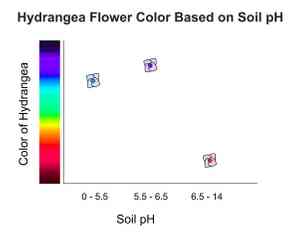
Hydrangeas (Hydrangea) (Hydrangea)
Also known as: Hortensia, Seven Bark
Cherished by gardeners globally, roses are a diverse group of flowering plants that include shrubs, small trees, and climbing vines. Known for their large, striking blooms, roses have numerous ornamental varieties. In many cultures, their flowers symbolize love and passion.
In This Article
Attributes of Hydrangeas (Hydrangea)
Lifespan
Perennial
Plant Height
5 m
Spread
5 m
Leaf Color
Green
Flower Size
2.5 cm
Flower Color
Blue, pink, white, purple
Images of Hydrangeas (Hydrangea)
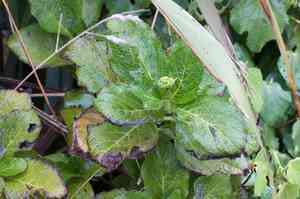
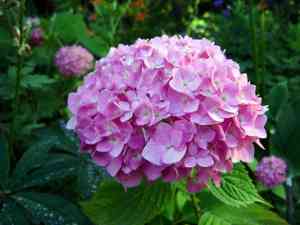
Quickly Identify Hydrangeas (Hydrangea)
1
Hydrangeas can be identified by their large, round flower clusters, opposite leaf arrangement, and serrated leaf edges. The flower color can range from blue to pink, white, or purple, depending on the soil pH.
Scientific Classification of Hydrangeas (Hydrangea)
Phylum
Magnoliophyta
Class
Magnoliopsida
Order
Cornales
Family
Hydrangeaceae
Genus
Hydrangea
Planting and Growing of Hydrangeas (Hydrangea)
Care Difficulty
Moderate
Watering Schedule
Every 8 days
Sunlight Requirements
Partial sun
Sunshine Duration
6-12 hours
Ideal Temperature
50-77℉
Soil Type
Potting Mix, Peat Mix
Soil pH
5.5-6.5
Fertilizer Type
Balanced
Pruning Season
Spring, Summer
Pruning Area
Branches, Leaves
Pruning Frequency
2 times a year
Repotting Season
Spring
Pot Type
Plastic, Ceramic
 How to Water Hydrangeas (Hydrangea)?
Hydrangeas require a thoughtful amount of water—approximately 500 milliliters per session—to ensure their soil stays moist but not waterlogged. The goal is to keep the soil evenly moist, allowing it to slightly dry out between waterings without becoming completely dry.
What are the symptoms of an underwatered Hydrangeas (Hydrangea)?
›
What should I do if my Hydrangeas (Hydrangea) is not getting enough water?
›
What are the symptoms of an overwatered Hydrangeas (Hydrangea)?
›
How to save an overwatered Hydrangeas (Hydrangea)?
›
 What Are the Sunlight Requirements for Hydrangeas (Hydrangea)?
Hydrangeas flourish under partial sun and are at their healthiest with 3-6 hours of sunlight. This range supports lush growth, vibrant colors, and robust blooms.
How much sunlight does Hydrangea need?
›
What are the solutions to provide ideal lighting?
›
What are the benefits of ideal lighting conditions?
›
 What Is the Ideal Temperature Range for Hydrangeas (Hydrangea)?
Hydrangeas thrive in temperatures between 50°F and 77°F. This range provides optimal conditions for growth and flowering. Temperatures within this range ensure that the plant's metabolic processes function smoothly, ultimately leading to vigorous growth and abundant blooms. Maintaining this temperature helps decrease stress on the plant and aids in prolonging the blooming period.
 What Soil is Best for Hydrangeas (Hydrangea)?
Hydrangeas thrive best in soil that has good moisture retention. This means that the plant can benefit from a consistent supply of water, reducing the risk of wilting. Loamy soil is especially ideal as it holds moisture but also drains well enough to avoid waterlogged roots. The plant benefits greatly from a nutrient-rich soil, which provides essential nutrients like nitrogen, phosphorus, and potassium. These nutrients help in vibrant flower bloom and healthy leaf growth, ensuring the plant has everything it needs for a robust growth cycle. Maintaining the right pH level is crucial for hydrangeas because it affects the color of their blooms. For blue flowers, slightly acidic soil is best, while more neutral or slightly alkaline soil can result in pink blooms. Understanding the impact of pH helps gardeners achieve desired bloom colors.
 How to Fertilize Hydrangeas (Hydrangea)?
For Hydrangea, the fertilizer amount depends on the type and the growth stage of the plant. Generally, apply about 1 ounce of liquid fertilizer per gallon of water if using a diluted water-soluble fertilizer. For slow-release fertilizers, use about 1-2 pounds per 100 square feet of garden space.
 How to Prune Hydrangeas (Hydrangea)?
Begin by identifying any dead or damaged stems. These can be recognized by their brittle texture and lack of green inside when a small notch is cut. Removing these helps promote the health of the plant. When pruning healthy stems, always cut just above a healthy bud and at an angle, which will help water runoff and prevent rot, thereby encouraging the new growth to flourish vigorously. Prune to shape the plant by cutting back about one-third of the length of each stem. This method helps maintain the natural shape of the hydrangea while controlling its size and encouraging lush growth.
 How to Propagate Hydrangeas (Hydrangea) plant?
1
Choose a healthy, non-flowering stem from the hydrangea, ideally with 2-3 pairs of leaves. It should be taken during the morning when the plant is well-hydrated.
2
Trim the cutting to about 4-6 inches long, removing the lower leaves to expose a few nodes. Dip the cut end into a rooting hormone to promote growth.
3
Plant the cutting into a pot filled with moist, well-draining soil. Ensure the cutting is inserted deep enough for stability but avoid burying the leaves in the soil.
 How to Repot Hydrangeas (Hydrangea) plant?
1
Hydrangeas typically need repotting every 2-3 years or when you notice roots circling the pot's edges. Look for signs like slowed growth or yellowing leaves, as these indicate the plant may be root-bound and in need of more space.
2
Select a pot that is 1-2 inches larger than the current one. Ensure it has drainage holes to prevent waterlogging, which can lead to root rot. The new pot should also be sturdy enough to support the hydrangea's larger size as it continues to grow.
3
Use a well-draining, organic-rich potting mix. Incorporate materials like pine bark or perlite to improve aeration. Proper soil helps retain necessary moisture while avoiding excess dampness, promoting healthy root development.
Toxicity of Hydrangeas (Hydrangea)
Is Hydrangeas (Hydrangea) toxic to humans?
Hydrangeas are a type of perennial flowering plant, celebrated for their large, striking clusters of blooms. Despite their captivating beauty, this plant is also toxic.
WARNING
The judgment on toxicity and danger is for reference only. We DO NOT GUARANTEE any accuracy of such judgment. Therefore, you SHALL NOT rely on such judgment. It is IMPORTANT TO SEEK PROFESSIONAL ADVICE in advance when necessary.
Learn More About Hydrangeas (Hydrangea) Diseases
Anthracnose
Bacterial Leaf Spot
Bacterial Wilt
Black Spot
Chemical Injury
Crown Gall
Damping-off
Downy Mildew
Drought Stress
Fusarium Wilt
Gray Mold
Leaf Curl
Leaf Spot
Mosaic
Nutrient Deficiency
Nutrient Toxicity
Powdery Mildew
Root Rot
Root-knot Nematode
Sooty Mold
Spider Mites
Temperature Stress
Thrips Damage
White Mold


