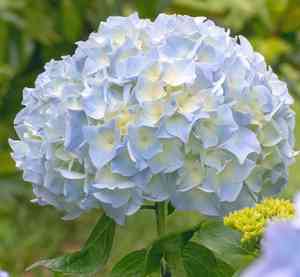
Bigleaf hydrangea(Hydrangea macrophylla)

Bigleaf hydrangea (Hydrangea macrophylla)

Also known as: Lacecap hydrangea, Hortensia

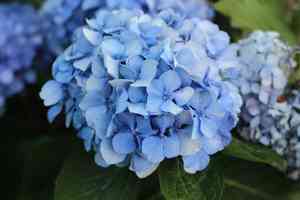
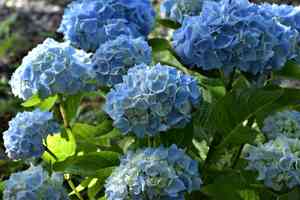
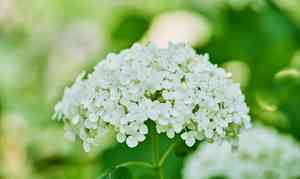
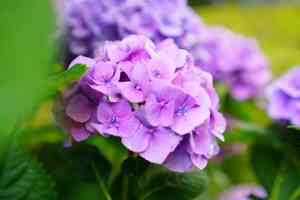
Hydrangea macrophylla, commonly known as bigleaf hydrangea, is a deciduous shrub originating from Japan, recognized for its vibrant and lush flower clusters. It comes in two varieties: mopheads and lacecaps. Mopheads boast large, spherical flower clusters that are predominantly sterile. Lacecaps, on the other hand, have a central cluster of tiny, fertile flowers surrounded by a ring of larger, sterile blooms. The flower color can shift from pink to blue based on the soil's pH level.

Attributes of Bigleaf hydrangea

Lifespan
Perennial
Plant Type
Shrub
Plant Height
1.5 m to 3 m
Spread
80 cm to 2.5 m
Leaf Color
Green Yellow
Flower Size
5 cm to 15 cm
Flower Color
Pink Blue White Purple Red Cream

PlantJoy - Identify plants with a snap

Identify and diagnose plants, get toxicity alerts, and explore safety guides for all types of fungi.

Try for Free

Images of Bigleaf hydrangea

Bigleaf hydrangea(Hydrangea macrophylla)

Quickly Identify Bigleaf hydrangea

1
Large, broad, dark green leaves with slightly toothed edges.
2
Distinctive mop-head or lacecap blooms in varying colors.
3
Terminal clusters of 2-inch diameter flowers with showy sterile florets.
4
Persistent cup-like capsules turning from green to brown with winged seeds.
5
Non-branching, sturdy stems measuring 0.5 to 1 inch in thickness.

Scientific Classification of Bigleaf hydrangea

Phylum
Vascular plants
Class
Dicotyledons
Order
Dogwoods, hydrangeas, and allies
Family
Hydrangea
Genus
Hydrangeas
Species
Bigleaf hydrangea

Planting and Growing of Bigleaf hydrangea

Care Difficulty
Moderate
Watering Schedule
Every 8 days
Sunlight Requirements
Partial sun
Sunshine Duration
4-8 hours
Ideal Temperature
60-70℉
Soil Type
Potting Mix, Peat Mix
Soil pH
5.5-6.5
Fertilizer Type
Balanced
Pruning Season
Spring, Summer
Pruning Area
Branches, Leaves
Pruning Frequency
2 times a year
Repotting Season
Spring
Pot Type
Plastic, Terracotta

water icon How to Water Bigleaf hydrangea?

For Hydrangea macrophylla, ensure the soil is consistently moist but not waterlogged. You should aim for approximately 500 milliliters per watering session, depending on the plant size and pot size. The soil should feel moist down to about an inch below the surface.
What are the symptoms of an underwatered Bigleaf hydrangea?
What should I do if my Bigleaf hydrangea is not getting enough water?
What are the symptoms of an overwatered Bigleaf hydrangea?
How to save an overwatered Bigleaf hydrangea?
More About Watering Techniques

sunlight icon What Are the Sunlight Requirements for Bigleaf hydrangea?

Sunlight Requirements: Partial sun, Full shade
Duration of light: 2 to 6 hours
Partial sun offers Hydrangea macrophylla vibrant blooms while ensuring sturdy growth. The balance of 2 to 6 hours of daily exposure nurtures healthy foliage and blossom development, maximizing their aesthetic and ecological benefits.
Optimal Sunlight Exposure
Balanced Shade
Protection from Intense Sun
More About Sunlight Requirements Techniques

temperature icon What Is the Ideal Temperature Range for Bigleaf hydrangea?

Ideal Temperature: 60 ~ 70℉
Hydrangea macrophylla thrives best in temperature ranges from 60°F to 70°F. This range allows for optimal blooming and healthy foliage. Ensuring your plant stays within these temperatures will promote robust growth and abundant flowering.

soil icon What Soil is Best for Bigleaf hydrangea?

Soil type: Loam, Acidic soil, Sandy loam
Soil PH: 5.5 ~ 6.5
Hydrangea macrophylla thrives in soil that retains moisture without becoming waterlogged. Adequate moisture helps to maintain the lush foliage and aids in the development of vibrant blooms, ensuring the plant's overall health and productivity. While these hydrangeas prefer moist soil, good drainage is essential to prevent root rot. Soil with good drainage balances moisture and air, allowing roots to breathe, which is vital for robust growth and flower production. Soils rich in organic matter provide essential nutrients and improve soil structure. This promotes healthy root development and supports vigorous growth, enhancing the overall appearance and bloom quality of the Hydrangea macrophylla. More About Soil

fertilize icon How to Fertilize Bigleaf hydrangea?

Fertilizer type: Balanced
For Hydrangea macrophylla, it's important to apply fertilizers that cater to their blooming needs. When using liquid fertilizers, dilute it to half the recommended strength, as too much can harm the plant. For solid fertilizers, a handful around the base will suffice, avoiding direct contact with the stem.

prune icon How to Prune Bigleaf hydrangea?

Pruning Time: Spring, Summer, Autumn
Observe the stems carefully to distinguish the old growth from new. Only prune back to the healthy buds because these are the parts that will yield those vibrant, powerful blooms. Remove any faded or brown flowers to maintain an exquisite display. Hydrangea macrophylla sets its buds on old wood. This means pruning should be done right after flowering, usually in late summer. Avoid late pruning if you do not want to accidentally cut off next season’s flower buds. More About Pruning Techniques

propagate icon How to Propagate Bigleaf hydrangea plant?

Propagate Time: Late spring, Early summer
1
Choose a healthy, non-flowering stem from the hydrangea, ideally about 4-6 inches long, and cut just below a leaf node.
2
Remove the lower leaves, leaving only two to three leaves at the top. This reduces moisture loss and allows for better rooting.
3
Dip the cut end into rooting hormone and insert it into a container filled with a mix of peat and perlite. Water lightly to settle the medium around the stem.
More About Propagating Techniques

repot icon How to Repot Bigleaf hydrangea plant?

Repotting frequency: Every two or three years
1
Look for signs that your Hydrangea macrophylla needs repotting, such as roots growing out of the drainage holes or the soil drying out too quickly. These indicators suggest the plant has outgrown its current pot, and it’s time to give it more room to thrive. The best time to repot is early spring before new growth starts, ensuring that the plant can quickly establish itself in new soil.
2
Select a pot that is 2-3 inches larger in diameter than the current one to allow for root expansion. Make sure it has adequate drainage holes at the bottom to prevent water from collecting around the roots, which can cause root rot. A pot made of breathable materials like clay can help manage moisture levels and promote healthy root development.
3
Hydrangea macrophylla prefers well-draining acidic soil with a pH of 5.5 to 6.5. This type of soil ensures that the plant receives the necessary nutrients while avoiding waterlogging. Adding organic matter like pine bark or peat moss can improve soil structure and provide the right acidity level, supporting vibrant blooms.
More About Repotting Techniques

PlantJoy - Identify plants with a snap

Find the best spots for them to optimize their health, simply using your phone.

Try for Free

Toxicity of Bigleaf hydrangea

Is Bigleaf hydrangea toxic to cat?

The bigleaf hydrangea is recognized as toxic to felines. Cats might accidentally consume elements of the plant, including its flowers, leaves, or bark, potentially resulting in poisoning. Exhibiting signs of distress or illness, poisoned cats require vigilant monitoring by their owners to prevent access to bigleaf hydrangea. If poisoning is suspected, it is imperative to obtain prompt veterinary assistance at a clinic to effectively address the situation.

Is Bigleaf hydrangea toxic to dog?

Bigleaf hydrangea is identified as a toxic plant for dogs. Consumption of any parts of this plant, including flowers, leaves, or bark, can lead to poisoning in dogs. Such ingestion often occurs inadvertently when dogs explore the plant due to curiosity or boredom. Following the ingestion of bigleaf hydrangea, affected dogs may show signs such as vomiting, diarrhea, lethargy, and abdominal discomfort. It is essential for dog owners to vigilantly supervise their pets and restrict access to bigleaf hydrangea to prevent accidental poisoning incidents. If a dog happens to consume any portion of bigleaf hydrangea, seeking prompt veterinary assistance is crucial for effective treatment and the best possible recovery for the animal.

Identify toxic plants for your safety

Learn which plants are harmful to you and your pets, and make informed choices for a safer home!

Try for Free
WARNING
The judgment on toxicity and danger is for reference only. We DO NOT GUARANTEE any accuracy of such judgment. Therefore, you SHALL NOT rely on such judgment. It is IMPORTANT TO SEEK PROFESSIONAL ADVICE in advance when necessary.
More About Toxic Techniques