Panicle hydrangea(Hydrangea paniculata)

Panicle hydrangea (Hydrangea paniculata)

Also known as: Peegee hydrangea

Panicle hydrangea, or Hydrangea paniculata, originates from countries in eastern Asia, such as Japan and China. This hardy plant is often cultivated in winter. It can range in height from about 91 cm to 5 meters, with a maximum spread of approximately 2.5 meters. It's important to note that its leaves contain cyanide, making them unsafe for consumption.

Attributes of Panicle hydrangea

Lifespan
Perennial
Plant Type
Shrub
Plant Height
1 m to 5 m
Spread
2.5 m
Leaf Color
Green
Flower Size
15 cm to 26 cm
Flower Color
White Pink Cream Green

PlantJoy - Identify plants with a snap

Identify and diagnose plants, get toxicity alerts, and explore safety guides for all types of fungi.

Try for Free

Images of Panicle hydrangea

Panicle hydrangea(Hydrangea paniculata)

Quickly Identify Panicle hydrangea

1
Robust, deciduous plant reaching 8-15 feet (2.4-4.6 meters), max 25 feet (7.6 meters).
2
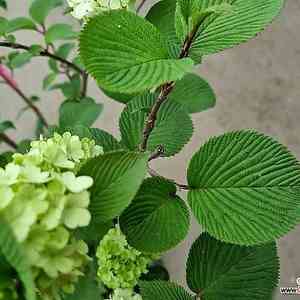
Oppositely arranged, serrated dark green leaves with lighter undersides.
3
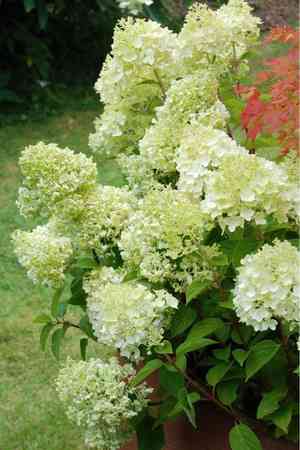
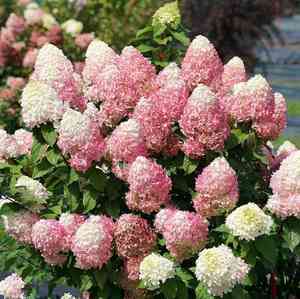
Creamy white flowers in pyramidal panicles, aging to pink and brown.
4
Distinctive brownish-pink fruit capsules opening to release seeds, non-edible.
5
Grayish-brown, drooping stems with rugged texture and moderate thickness.

Scientific Classification of Panicle hydrangea

Phylum
Vascular plants
Class
Dicotyledons
Order
Cornales
Family
Hydrangea
Genus
Hydrangeas
Species
Panicle hydrangea

Planting and Growing of Panicle hydrangea

Care Difficulty
Easy
Watering Schedule
Every 4 days
Sunlight Requirements
Partial sun
Sunshine Duration
4-6 hours
Ideal Temperature
65-75℉
Soil Type
Potting Mix, Peat Mix
Soil pH
5.8-6.5
Fertilizer Type
Balanced
Pruning Season
Spring, Summer
Pruning Area
Branches, Leaves
Pruning Frequency
2 times a year
Repotting Season
Spring
Pot Type
Plastic, Terracotta

water icon How to Water Panicle hydrangea?

For Hydrangea paniculata, a general rule is to water deeply so that the soil is moistened down to a depth of about 6 inches. This typically translates to approximately 1000 ml of water per session, depending on soil type and climate conditions. Aim to keep the soil consistently moist but not waterlogged.
What are the symptoms of an underwatered Panicle hydrangea?
What should I do if my Panicle hydrangea is not getting enough water?
What are the symptoms of an overwatered Panicle hydrangea?
How to save an overwatered Panicle hydrangea?
More About Watering Techniques

sunlight icon What Are the Sunlight Requirements for Panicle hydrangea?

Sunlight Requirements: Partial sun
Duration of light: 4-6 hours daily
Partial sun with 4-6 hours of direct morning sunlight provides the ideal environment. This range supports robust flowering, deep greenery, and a strong root system, preventing issues like dehydration or stunted growth.
What is the ideal lighting for Hydrangea paniculata?
How can I achieve optimal light conditions for Hydrangea paniculata?
What benefits does optimal light provide to Hydrangea paniculata?
More About Sunlight Requirements Techniques

temperature icon What Is the Ideal Temperature Range for Panicle hydrangea?

Ideal Temperature: 65 ~ 75℉
For optimal growth, Hydrangea paniculata thrives in temperatures ranging from 65°F to 75°F. This range provides the perfect balance of warmth and humidity, promoting healthy leaf development and flowering. It's ideal for daytime temperatures to align with this range, allowing the plant to photosynthesize efficiently.

soil icon What Soil is Best for Panicle hydrangea?

Soil type: Loam, Sandy loam, Acidic soil
Soil PH: 5.8 ~ 6.5
Hydrangea paniculata thrives best in soil that offers excellent drainage. Well-drained soil prevents waterlogging, which can lead to root rot. This ensures healthy root growth and vigorous flowering. A nutrient-rich soil is crucial for Hydrangea paniculata as it provides essential minerals and nutrients. This supports robust growth, lush foliage, and vibrant blooms, making it an attractive garden specimen. Hydrangea paniculata requires soil that retains moisture yet does not stay soggy. This balance ensures that the plant receives a consistent supply of water, promoting stable growth and reducing stress from drought conditions. More About Soil

fertilize icon How to Fertilize Panicle hydrangea?

Fertilizer type: Balanced
For Hydrangea paniculata, apply a balanced fertilizer like a 10-10-10 formula. Each time, use about 0.5 cups of granular fertilizer spread evenly around the base, avoiding direct contact with the stem. Adjust quantity based on plant size and growth conditions. More About Fertilizing Techniques

prune icon How to Prune Panicle hydrangea?

Pruning Time: Spring, Autumn
Pruning Hydrangea paniculata is best done in early spring or autumn. During these periods, the plant is either dormant or just about to wake up, making it less susceptible to stress. First, use clean, sharp pruners to remove any dead or weak wood. Then, cut back last year's flowering stems to a pair of strong, healthy buds. Aim to maintain a balanced shape by trimming the branches from all sides, ensuring that the center of the plant is open to sunlight and air circulation. This prevents fungal growth and encourages a fuller bloom throughout the season. Regular shaping also prevents the plant from becoming top-heavy and supports larger, dramatic flower clusters. After the blooming period, remove the spent flowers by cutting just above the first set of healthy leaves below the flower. This not only refreshes the plant’s appearance but also conserves energy for new growth, making the subsequent bloom period more abundant and vibrant.

propagate icon How to Propagate Panicle hydrangea plant?

Propagate Time: Late spring, Early summer
1
Choose a healthy, non-flowering stem about 6 inches long. Ensure that the cutting has at least a few nodes and remove the leaves from the lower half to facilitate rooting.
2
Dip the cut end of the hydrangea cutting into a rooting hormone powder or gel. This will improve the chances of root development and help protect against fungal infections.
3
Place the treated cutting into a pot filled with a soil mix designed for seed germination or propagation. Firm the soil around the base to hold it upright, and water it to settle the soil.
More About Propagating Techniques

repot icon How to Repot Panicle hydrangea plant?

Repotting frequency: Every 2-3 years
1
Hydrangea paniculata benefits greatly from repotting when you notice the roots beginning to circle the pot's bottom, or if water is draining too quickly. Signs such as yellowing leaves or reduced blooming can indicate it's time for a new pot.
2
Select a pot that is no more than 2 inches larger in diameter than the current one. This size allows the roots to expand without risking overpotting, which can lead to root rot due to excess water retention.
3
Opt for a loamy soil mix that ensures good drainage and aeration while holding necessary nutrients. Adding organic matter like compost enhances the soil structure, providing the perfect balance for hydrangea growth.

PlantJoy - Identify plants with a snap

Find the best spots for them to optimize their health, simply using your phone.

Try for Free

Toxicity of Panicle hydrangea

Is Panicle hydrangea toxic to cat?

Panicle hydrangea poses a toxicity risk to cats. If a feline consumes any portion of this plant, including its flowers, leaves, or bark, it may suffer from poisoning effects. Cats might unintentionally ingest panicle hydrangea. Upon consuming parts of this plant, a cat can exhibit various symptoms of physical distress, which may range in intensity. Given the potential dangers, it is crucial for cat owners to keep a close eye on their pets and restrict their access to panicle hydrangea. Should poisoning occur, seeking immediate veterinary assistance is imperative for the affected cat's health and well-being.

Is Panicle hydrangea toxic to dog?

The panicle hydrangea is recognized as toxic to dogs. Canines may inadvertently consume various parts of the plant, such as flowers, leaves, or bark, resulting in potential poisoning. Dog owners must be vigilant that if their pets ingest panicle hydrangea, they may display symptoms typical of poisoning. Such symptoms can include gastrointestinal distress, vomiting, and diarrhea. It is vital for dog owners to closely observe their pets and restrict access to panicle hydrangea. Should a dog consume any part of this plant, seeking prompt veterinary attention is critical to ensure the best possible health outcome for the pet.

Identify toxic plants for your safety

Learn which plants are harmful to you and your pets, and make informed choices for a safer home!

Try for Free
WARNING
The judgment on toxicity and danger is for reference only. We DO NOT GUARANTEE any accuracy of such judgment. Therefore, you SHALL NOT rely on such judgment. It is IMPORTANT TO SEEK PROFESSIONAL ADVICE in advance when necessary.
More About Toxic Techniques