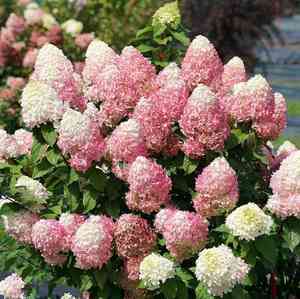
Panicle hydrangea (Hydrangea paniculata)
Also known as: Peegee hydrangea
Panicle hydrangea, or Hydrangea paniculata, originates from countries in eastern Asia, such as Japan and China. This hardy plant is often cultivated in winter. It can range in height from about 91 cm to 5 meters, with a maximum spread of approximately 2.5 meters. It's important to note that its leaves contain cyanide, making them unsafe for consumption.
Attributes of Panicle hydrangea
Images of Panicle hydrangea
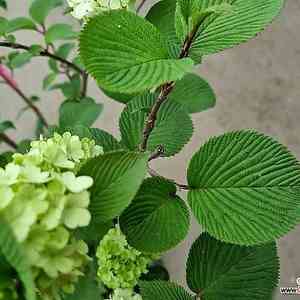
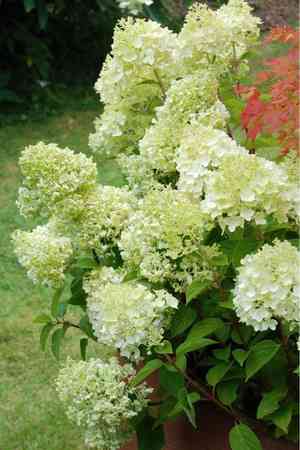
Quickly Identify Panicle hydrangea
Scientific Classification of Panicle hydrangea
Planting and Growing of Panicle hydrangea
 How to Water Panicle hydrangea?
 What Are the Sunlight Requirements for Panicle hydrangea?
 What Is the Ideal Temperature Range for Panicle hydrangea?
 What Soil is Best for Panicle hydrangea?
 How to Fertilize Panicle hydrangea?
 How to Prune Panicle hydrangea?
 How to Propagate Panicle hydrangea plant?
 How to Repot Panicle hydrangea plant?
Toxicity of Panicle hydrangea
Is Panicle hydrangea toxic to cat?
Panicle hydrangea poses a toxicity risk to cats. If a feline consumes any portion of this plant, including its flowers, leaves, or bark, it may suffer from poisoning effects. Cats might unintentionally ingest panicle hydrangea. Upon consuming parts of this plant, a cat can exhibit various symptoms of physical distress, which may range in intensity. Given the potential dangers, it is crucial for cat owners to keep a close eye on their pets and restrict their access to panicle hydrangea. Should poisoning occur, seeking immediate veterinary assistance is imperative for the affected cat's health and well-being.
Is Panicle hydrangea toxic to dog?
The panicle hydrangea is recognized as toxic to dogs. Canines may inadvertently consume various parts of the plant, such as flowers, leaves, or bark, resulting in potential poisoning. Dog owners must be vigilant that if their pets ingest panicle hydrangea, they may display symptoms typical of poisoning. Such symptoms can include gastrointestinal distress, vomiting, and diarrhea. It is vital for dog owners to closely observe their pets and restrict access to panicle hydrangea. Should a dog consume any part of this plant, seeking prompt veterinary attention is critical to ensure the best possible health outcome for the pet.



