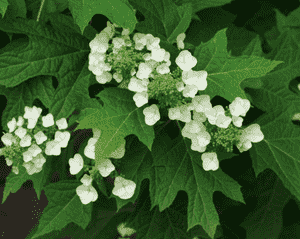
Oakleaf hydrangea (Hydrangea quercifolia)
Also known as: Ruby Slippers, Sikes Dwarf, Oak-leaved hydrangea
The oakleaf hydrangea (Hydrangea quercifolia) originates from the southeastern United States, typically ranging from North Carolina to Florida. It was identified by botanist William Bartram in the 1770s. This plant is commonly cultivated as an ornamental feature in gardens and parks.
Attributes of Oakleaf hydrangea
Images of Oakleaf hydrangea
Quickly Identify Oakleaf hydrangea
Scientific Classification of Oakleaf hydrangea
Planting and Growing of Oakleaf hydrangea
 How to Water Oakleaf hydrangea?
 What Are the Sunlight Requirements for Oakleaf hydrangea?
 What Is the Ideal Temperature Range for Oakleaf hydrangea?
 What Soil is Best for Oakleaf hydrangea?
 How to Fertilize Oakleaf hydrangea?
 How to Prune Oakleaf hydrangea?
 How to Propagate Oakleaf hydrangea plant?
 How to Repot Oakleaf hydrangea plant?
Toxicity of Oakleaf hydrangea
Is Oakleaf hydrangea toxic to cat?
The oakleaf hydrangea represents a considerable danger to cats, categorized as highly toxic. Felines may accidentally ingest various parts of the plant, which can induce poisoning. This risk arises from consuming any portion of the oakleaf hydrangea, including its flowers, leaves, and bark. Following ingestion, affected cats may display symptoms of physical distress or illness, requiring urgent veterinary intervention. To safeguard cats, it is essential to restrict their access to oakleaf hydrangea and to promptly seek professional help if poisoning is feared.
Is Oakleaf hydrangea toxic to dog?
The oakleaf hydrangea is recognized as a toxic species for dogs. If dogs consume any part of the plant, including its flowers, leaves, or bark, they may experience poisoning. This ingestion frequently occurs unintentionally while dogs are exploring or playing in environments where oakleaf hydrangea is present. Following the consumption of parts of the oakleaf hydrangea, dogs may show signs like vomiting, diarrhea, lethargy, and depression. It is vital for pet owners to keep a close watch on their dogs and restrict their access to oakleaf hydrangea to prevent any experience of accidental poisoning. In cases where a dog has ingested oakleaf hydrangea, it is critical to seek prompt veterinary assistance to ensure the best possible outcome for the animal.



