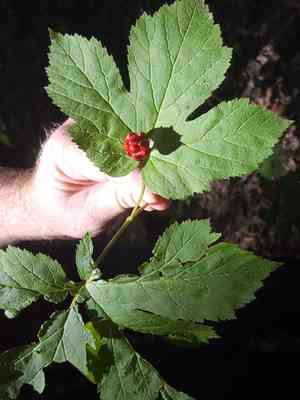
Goldenseal(Hydrastis canadensis)

Goldenseal (Hydrastis canadensis)

Also known as: Goldenseal, Orangeroot, Yellow Puccoon

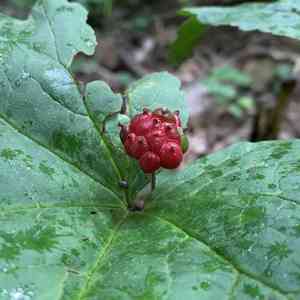
Goldenseal (Hydrastis canadensis) is notable for its yellow, knobby rhizomes. This perennial herb thrives in the woodlands of southeastern Canada and the eastern United States, but it is increasingly rare in the wild. It bears red, raspberry-like berries that are visually appealing but not edible. The plant’s roots are useful for producing a yellow dye and can also serve as an insecticide. It’s important to note that all parts of Goldenseal are toxic if consumed in large quantities.

Attributes of Goldenseal

Lifespan
Perennial
Plant Type
Herb
Plant Height
23 cm to 30 cm
Spread
23 cm to 30 cm
Leaf Color
Green
Flower Size
2.5 cm
Flower Color
White

PlantJoy - Identify plants with a snap

Identify and diagnose plants, get toxicity alerts, and explore safety guides for all types of fungi.

Try for Free

Images of Goldenseal

Goldenseal(Hydrastis canadensis)

Quickly Identify Goldenseal

1
Robust, yellow-tinged rhizome anchors goldenseal plant.
2
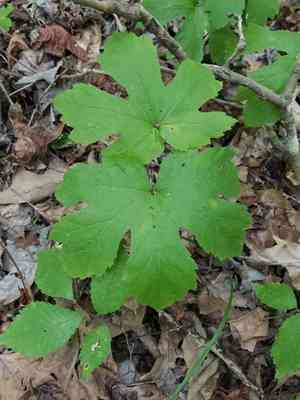
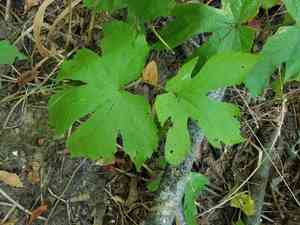
Singular stalk with large, palmate leaves divided into lobes.
3
Flower lacks petals, with greenish-yellow stamens and pistils.
4
Striking, inedible red berries in cluster with black seeds.
5
Distinct leaves near apex, 3-7 lobed, rough texture, prominent veins.

Scientific Classification of Goldenseal

Phylum
Vascular plants
Class
Dicotyledons
Order
Ranunculales
Family
Buttercup
Genus
Hydrastis
Species
Goldenseal

Planting and Growing of Goldenseal

Care Difficulty
Hard
Watering Schedule
Every 2 days
Sunlight Requirements
Full shade
Sunshine Duration
4-8 hours
Ideal Temperature
60-75℉
Soil Type
Potting Mix, Peat Mix
Soil pH
6.5-7.5
Fertilizer Type
Balanced
Pruning Season
Spring, Summer
Pruning Area
Branches, Leaves
Pruning Frequency
2 times a year
Repotting Season
Spring
Pot Type
Plastic, Terracotta

water icon How to Water Goldenseal?

Hydrastis canadensis needs a moderate amount of water. Water until the soil is moistened thoroughly but ensure there’s good drainage to prevent waterlogging. You should aim for soil that is moist to the touch without being soggy.
What are the symptoms of an underwatered Goldenseal?
What should I do if my Goldenseal is not getting enough water?
What are the symptoms of an overwatered Goldenseal?
How to save an overwatered Goldenseal?

sunlight icon What Are the Sunlight Requirements for Goldenseal?

Sunlight Requirements: Full shade, Partial sun
Duration of light: 2-4 hours daily
Partial sun or full shade is ideal, allowing the plant to photosynthesize effectively for vibrant growth and healthy foliage, avoiding the adverse effects of direct sunlight.
What is the ideal lighting for Hydrastis canadensis?
How do you provide ideal lighting conditions?
What happens if Hydrastis canadensis receives ideal lighting?

temperature icon What Is the Ideal Temperature Range for Goldenseal?

Ideal Temperature: 60 ~ 75℉
The ideal temperature range for Hydrastis canadensis, commonly known as Goldenseal, should be between 60°F and 75°F. This range supports optimal growth conditions, simulating a temperate forest floor environment. Ensuring consistent temperatures within this range helps the plant to thrive, promoting healthy foliage and root development.

soil icon What Soil is Best for Goldenseal?

Soil type: Loam, Sandy loam, Acidic soil
Soil PH: 6.5 ~ 7.5
Hydrastis canadensis requires well-draining soil to prevent waterlogging. This characteristic ensures that roots can access oxygen and reduces the risk of root rot, which is crucial for the plant’s health and growth. The plant thrives in soils rich in organic matter, which provides essential nutrients and improves soil structure. Organic matter enriches the soil, enhancing moisture retention and providing a supportive environment for microbial life. A moderately moist soil condition is ideal for Hydrastis canadensis. Consistent moisture helps in nutrient absorption and ensures turgidity in plant tissues, contributing to overall plant vigor and resistance to external stress factors.

fertilize icon How to Fertilize Goldenseal?

Fertilizer type: Balanced
Hydrastis canadensis prefers a gentle touch when it comes to fertilization. Use an organic liquid fertilizer, like fish emulsion, diluted to half the recommended strength. For slow-release fertilizers, apply a few tablespoons per plant base in the early spring.

prune icon How to Prune Goldenseal?

Pruning Time: Spring
Start by examining the plant and looking for dead or damaged stems. These should be removed to help the plant focus its energy on healthy growth. When making cuts, try to do so at an angle and just above a node or bud. This encourages new growth and helps the plant heal more efficiently. To maintain an attractive and balanced shape, trim away any stems that are noticeably out of place or excessively long compared to others. This ensures even growth and a pleasing appearance.

propagate icon How to Propagate Goldenseal plant?

Propagate Time: Spring, Early spring
1
Start by soaking Hydrastis canadensis seeds in water for 24 hours to soften the seed coat. This process helps improve germination rates by making water absorption easier for the seeds.
2
Select healthy, mature plants and carefully dig up the rhizomes. Divide them into segments, ensuring each segment has roots and a growing bud. This helps create new individual plants efficiently.
3
Take root cuttings in early spring, 2-3 inches long, and plant them horizontally in soil. This method relies on the rhizomatous nature of the plant to regenerate new growth from root segments.

repot icon How to Repot Goldenseal plant?

Repotting frequency: Every 2-3 years
1
Observe your Hydrastis canadensis for signals like roots growing out of the drainage holes, soil drying too quickly, or diminished growth. These signs indicate it's time for a bigger pot that can comfortably hold its expanding root system.
2
Select a pot that is 1-2 inches larger in diameter than the current one. This allows adequate space for root expansion without overwhelming the plant. Ensure that the pot has drainage holes to prevent waterlogging, which is detrimental to its health.
3
Opt for a rich, well-draining soil mix. This medium supports the plant’s need for nutrients while ensuring excess moisture can evaporate. A mix with organic matter like peat or compost can greatly benefit Hydrastis canadensis by retaining enough moisture without becoming soggy.

PlantJoy - Identify plants with a snap

Find the best spots for them to optimize their health, simply using your phone.

Try for Free

Toxicity of Goldenseal

Is Goldenseal toxic to humans?

Goldenseal is a poisonous plant that can lead to serious health complications if ingested. The severity of the poisoning is significant and can be fatal. All components of the plant are toxic. Symptoms may include gastrointestinal problems such as nausea, vomiting, constipation, diarrhea, stomach cramps, and pain, along with mouth sores, rapid heartbeat, anxiety, convulsions, and central nervous system depression. Consuming a substantial quantity can result in respiratory difficulties, paralysis, and potentially death. Additionally, the toxin can be transmitted through breast milk.

Identify toxic plants for your safety

Learn which plants are harmful to you and your pets, and make informed choices for a safer home!

Try for Free
WARNING
The judgment on toxicity and danger is for reference only. We DO NOT GUARANTEE any accuracy of such judgment. Therefore, you SHALL NOT rely on such judgment. It is IMPORTANT TO SEEK PROFESSIONAL ADVICE in advance when necessary.