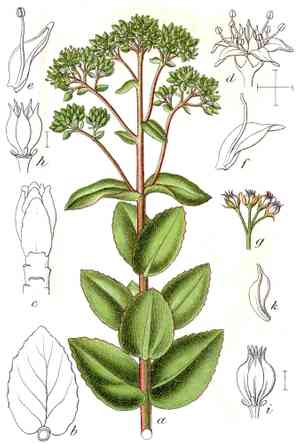
Orpine (Hylotelephium telephium)
Also known as: Garden stonecrop, Midsummer-men
Orpine (Hylotelephium telephium), a perennial succulent native to Eurasia, is commonly grown in gardens for its ornamental value. It thrives in gravelly or calcareous soils. In Finland, orpine is a protected species due to its critical role as the primary food source for the Apollo butterfly, the largest butterfly species in the country.
In This Article
Attributes of Orpine
Lifespan
Perennial
Plant Type
Succulent, Herb
Plant Height
20 cm to 1 m
Spread
30 cm to 50 cm
Leaf Color
Green Gray
Flower Size
1 cm
Flower Color
Pink White Purple Red
Images of Orpine
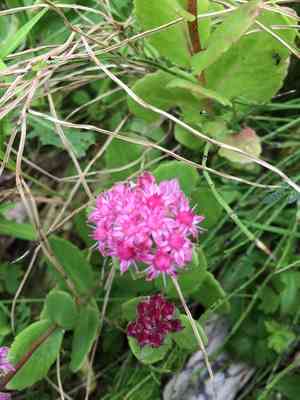
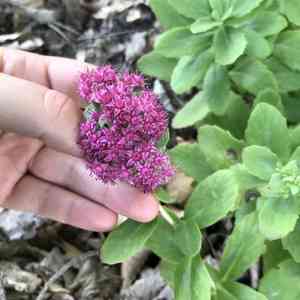
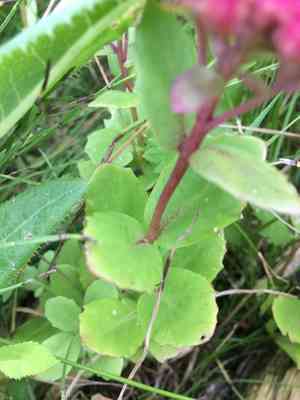
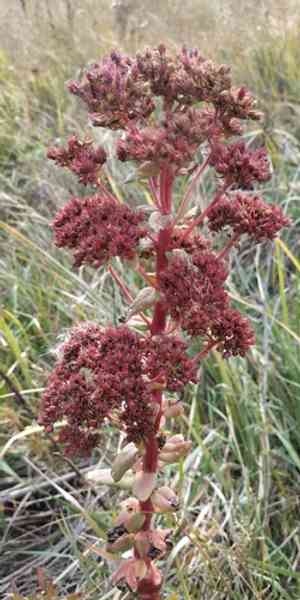
Quickly Identify Orpine
1
Rosette pattern of fleshly leaves
2
Star-shaped flowers in pink or purple clusters
3
Flat-top, 5-petaled flowers in pink to burgundy
4
Dry, dehiscent fruit capsules with articulate surface
5
Tall, unbranched stems with red-tinged color
Scientific Classification of Orpine
Phylum
Vascular plants
Class
Dicotyledons
Order
Saxifragales
Family
Stonecrop
Genus
Sedums
Species
Orpine
Planting and Growing of Orpine
Care Difficulty
Easy
Watering Schedule
Every 2 days
Sunlight Requirements
Full sun
Sunshine Duration
6-10 hours
Ideal Temperature
60-75℉
Soil Type
Potting Mix, Peat Mix
Soil pH
6.5-7.5
Fertilizer Type
Balanced
Pruning Season
Spring, Summer
Pruning Area
Branches, Leaves
Pruning Frequency
2 times a year
Repotting Season
Spring
Pot Type
Plastic, Ceramic
 How to Water Orpine?
Ensure the soil is thoroughly moistened but not waterlogged. Approximately 150 ml should suffice during each watering session, allowing the soil to dry out completely between waterings.
More About Watering Techniques→
What are the symptoms of an underwatered Orpine?
›
What should I do if my Orpine is not getting enough water?
›
What are the symptoms of an overwatered Orpine?
›
How to save an overwatered Orpine?
›
 What Are the Sunlight Requirements for Orpine?
The plant thrives best in full to partial sunlight conditions. Optimal sunlight fosters vibrant growth, abundant blooms, and enhanced overall health.
More About Sunlight Requirements Techniques→
Optimal Lighting Period
›
Solution to Achieve Ideal Light
›
Benefits of Ideal Lighting
›
 What Is the Ideal Temperature Range for Orpine?
The ideal temperature range for Hylotelephium telephium spans from 60°F to 75°F. This range supports healthy growth, encouraging robust foliage and vibrant blooms. Temperatures within this range promote optimal photosynthesis and nutrient uptake, essential for sustaining the plant’s vitality.
 What Soil is Best for Orpine?
Hylotelephium telephium thrives in well-drained soil, preventing waterlogging and root rot. This requirement is crucial as it ensures that the roots have adequate oxygen, promoting healthy growth and resilience against diseases. The plant appreciates a nutrient-rich medium that supports its metabolic functions. Including organic matter or slow-release fertilizers can significantly enhance soil fertility, providing vital nutrients such as nitrogen, phosphorus, and potassium. While good drainage is essential, the soil should also retain enough moisture to support plant hydration during dry periods. This balance prevents drought stress while allowing roots to stay healthy without being waterlogged.
More About Soil→
 How to Fertilize Orpine?
For Hylotelephium telephium, a balanced approach to fertilization is key. It requires moderate amounts of nutrients; for liquid fertilizers, use a half-strength solution, approximately 15 ml per gallon of water, ensuring not to over-saturate the soil. For slow-release granular fertilizers, scatter about 20 grams evenly around the base of the plant. The key is to avoid any concentration of fertilizer that could potentially damage the plant roots.
 How to Prune Orpine?
Prune your Hylotelephium telephium during the early spring when new growth begins to emerge. This timing allows you to shape the plant effectively before it fully develops its new foliage. Use clean, sharp shears for the best results. Start by removing any dead or damaged stems to encourage healthy new growth. Next, trim back the previous season's growth to improve the plant's overall shape and air circulation. Aim for a balanced, rounded shape to help support the heavy flower heads that will bloom later in the season.
 How to Propagate Orpine plant?
1
Choose a healthy, disease-free plant to ensure that the cutting or division you take is robust. This step is crucial for successful propagation as weak parent plants may result in poor offspring.
2
Cut a non-flowering stem just below a node about 4-6 inches long. Remove any lower leaves to encourage better root growth. Ensure a clean cut to avoid plant tissue damage.
3
Insert the cut end into a pot filled with well-draining soil, or place the base in water until roots develop. Provide adequate light and maintain soil moisture for optimal growth.
 How to Repot Orpine plant?
1
Repot Hylotelephium telephium when you notice roots emerging from the pot's drainage holes, indicating the plant has outgrown its current home. Another sign is if the plant appears top-heavy or exhibits reduced growth, suggesting it needs more space. Spring and autumn, with their moderate temperatures, provide ideal conditions for repotting as the plant is neither in dormancy nor peak growth.
2
When selecting a pot, opt for one that is slightly larger than the current pot, but not excessively so to avoid excessive moisture retention. A pot with good drainage is crucial to prevent waterlogging, which can lead to root rot. Clay or terracotta pots are preferable as they allow moisture to evaporate, maintaining a balanced moisture level conducive for succulents.
3
For soil, select a well-draining cactus or succulent mix that mimics the plant's natural habitat. Adding coarse sand or perlite can enhance drainage further, ensuring excess water doesn't linger, which could harm the roots. This type of soil will help maintain the perfect balance of air and moisture for optimal plant health.
Toxicity
Ingestion
WARNING
The judgment on toxicity and danger is for reference only. We DO NOT GUARANTEE any accuracy of such judgment. Therefore, you SHALL NOT rely on such judgment. It is IMPORTANT TO SEEK PROFESSIONAL ADVICE in advance when necessary.



