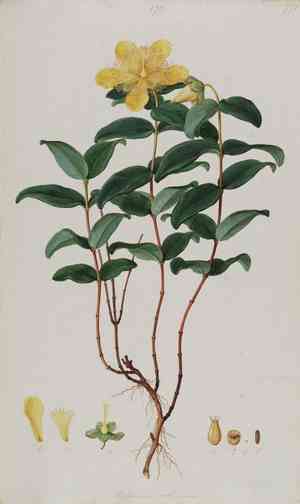
Creeping St. John's wort (Hypericum calycinum)
Also known as: Resurrection plant, Rose-of-Sharon, Great St-John's wort, Creeping Aron's Beard
The low, creeping, woody shrub commonly found on steep European slopes is the creeping St. John's wort (Hypericum calycinum). Its common name has biblical origins, though it has been used historically for various species. This specific plant may not be identical to the St. John's wort referenced in biblical texts.
Attributes of Creeping St. John's wort
Images of Creeping St. John's wort
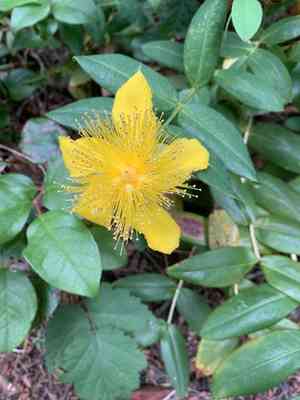
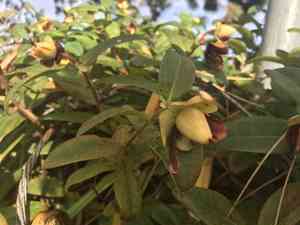

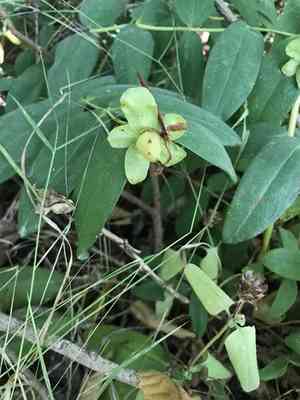
Quickly Identify Creeping St. John's wort
Scientific Classification of Creeping St. John's wort
Planting and Growing of Creeping St. John's wort
 How to Water Creeping St. John's wort?
 What Are the Sunlight Requirements for Creeping St. John's wort?
 What Is the Ideal Temperature Range for Creeping St. John's wort?
 What Soil is Best for Creeping St. John's wort?
 How to Fertilize Creeping St. John's wort?
 How to Prune Creeping St. John's wort?
 How to Propagate Creeping St. John's wort plant?
 How to Repot Creeping St. John's wort plant?
Toxicity of Creeping St. John's wort
Is Creeping St. John's wort toxic to humans?
Creeping St. John's wort presents a moderate toxicity risk to humans, mainly due to the presence of hypericin in its sap. Exposure to the sap can trigger allergic reactions, while consuming the plant may lead to more serious symptoms. Although the toxic components of creeping St. John's wort are generally not ingested, accidental consumption can still happen. Poisoning symptoms associated with creeping St. John's wort may encompass gastrointestinal issues, such as nausea and vomiting, and skin irritations or heightened sensitivity to light upon contact. It is crucial for individuals to handle creeping St. John's wort cautiously to prevent unintentional exposure to the sap, which acts as the primary means of the plant's toxic effects.
Is Creeping St. John's wort toxic to cat?
Creeping St. John's wort presents a moderate toxicity risk to cats. This exposure can happen if cats either come into contact with the plant or accidentally consume it. The main toxic component responsible for the adverse effects is hypericin, which is present in the plant's sap. After exposure to creeping St. John's wort, cats may experience physical distress or discomfort. If poisoning occurs, it is vital to promptly seek veterinary care to manage the cat's symptoms and avert further health issues.
Is Creeping St. John's wort toxic to dog?
Creeping St. John's wort presents a moderate toxicity threat to dogs. Canines can experience poisoning from creeping St. John's wort either through skin exposure to the plant sap or by accidental ingestion. Signs of poisoning in dogs may include gastrointestinal disturbances, such as vomiting and diarrhea, along with possible skin irritation or photosensitivity caused by the hypericin found in the plant's sap. If you believe your dog has come into contact with or ingested creeping St. John's wort, it is essential to seek prompt veterinary attention to assure appropriate treatment and management of symptoms.



