
Common holly (Ilex aquifolium)
Also known as: Holly Tree, European holly, Christmas holly, Hulst
The English Holly (Ilex aquifolium) is an evergreen shrub or tree known for its distinctive leaf shape and vibrant red berries. This species thrives in the understories of oak and beech forests. Due to its dense crown and spiky leaves, English Holly is extensively utilized in temperate regions for creating hedges in landscaping.
Attributes of Common holly
Images of Common holly
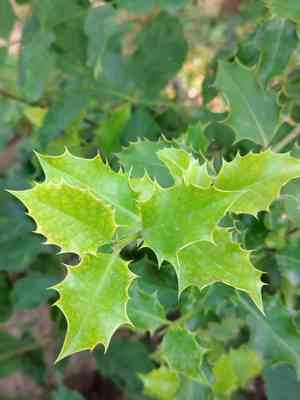
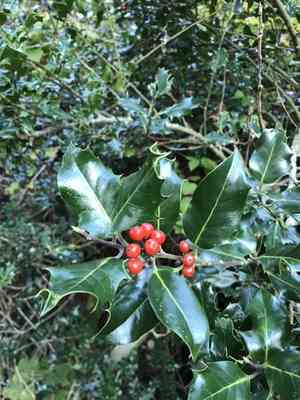
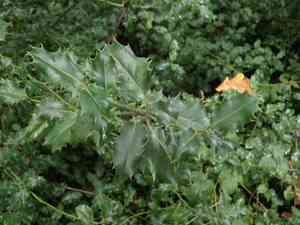

Quickly Identify Common holly
Scientific Classification of Common holly
Planting and Growing of Common holly
 How to Water Common holly?
 What Are the Sunlight Requirements for Common holly?
 What Is the Ideal Temperature Range for Common holly?
 What Soil is Best for Common holly?
 How to Fertilize Common holly?
 How to Prune Common holly?
 How to Propagate Common holly plant?
 How to Repot Common holly plant?
Toxicity of Common holly
Is Common holly toxic to humans?
Both the leaves and berries of the common holly plant contain saponin chemicals, which render them toxic to humans when consumed. The level of toxicity is relatively mild, with symptoms of poisoning potentially including vomiting, diarrhea, and feelings of depression. Incidents of poisoning usually occur in children who can easily access this plant and might unintentionally ingest its parts. Additionally, the common holly is frequently utilized as an ornamental hedge in landscaping.
Is Common holly toxic to cat?
While not fatal, every part of the common holly (Ilex aquifolium) contains moderate toxicity, which means cats should be kept at a distance! If any portion of the plant is consumed, the chemicals may act similarly to a stimulant and could potentially result in liver damage, so consult your veterinarian as a precaution. The symptoms can vary, ranging from slight discomfort to moderate pain, depending on how much has been ingested.
Is Common holly toxic to dog?
The common holly is regarded as mildly to moderately toxic to dogs. Both its leaves and berries contain harmful compounds that can lead to symptoms including excessive drooling, vomiting, diarrhea, or pawing at the mouth post-ingestion. Fortunately, due to the spiky nature of the leaves and the fact that the berries are typically encased by these leaves, dogs seldom consume them in significant amounts. Generally, common holly poisoning does not necessitate a visit to the veterinarian, as dogs can typically eliminate the plant's toxins from their bodies independently.



