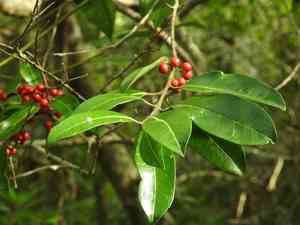
Dahoon (Ilex cassine)
Also known as: Cassena holly
Bogbean, native to the rich, moist soils of cold swamps, has been traditionally utilized by Native Americans for its cleansing properties, serving both as a soap and for purging. In addition, it provides habitat benefits for wildlife in its natural setting.
In This Article
Attributes of Dahoon
Lifespan
Perennial
Plant Type
Tree, Shrub
Plant Height
10 m to 13 m
Spread
2.5 m to 3.5 m
Leaf Color
Green
Flower Size
2.5 cm
Flower Color
White Green
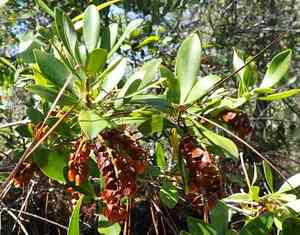
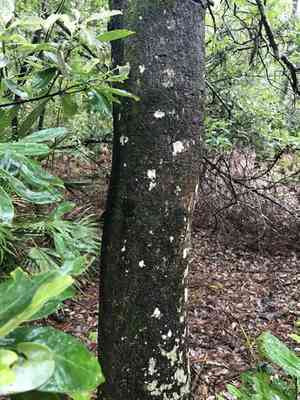
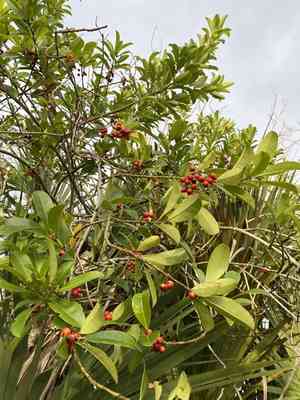
Images of Dahoon
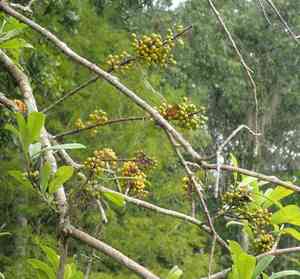
Quickly Identify Dahoon
1
Glossy lanceolate leaves cluster on slender stems.
2
Small yellow-white flowers with inconspicuous scent.
3
Vibrant red-orange berry-like drupes in small clusters.
4
Leaves are narrow oblanceolate, up to 3 inches long.
5
Smooth trunk and branches with pale gray or white bark.
Scientific Classification of Dahoon
Phylum
Vascular plants
Class
Dicotyledons
Order
Aquifoliales
Family
Holly
Genus
Ilex
Species
Dahoon
Planting and Growing of Dahoon
Care Difficulty
Moderate
Watering Schedule
Every 2 days
Sunlight Requirements
Partial sun
Sunshine Duration
4-8 hours
Ideal Temperature
60-75℉
Soil Type
Potting Mix, Peat Mix
Soil pH
4.5-6.8
Fertilizer Type
Balanced
Pruning Season
Spring, Summer
Pruning Area
Branches, Leaves
Pruning Frequency
Once a year
Repotting Season
Spring
Pot Type
Plastic, Ceramic
 How to Water Dahoon?
The optimal watering amount for Ilex cassine is around 500 milliliters per session. Ensure the soil is evenly moist, but not waterlogged. It's best to allow the top inch of soil to dry out between waterings, adhering to a balance that prevents both dryness and over-saturation.
What are the symptoms of an underwatered Dahoon?
›
What should I do if my Dahoon is not getting enough water?
›
What are the symptoms of an overwatered Dahoon?
›
How to save an overwatered Dahoon?
›
 What Are the Sunlight Requirements for Dahoon?
Partial to full sunlight exposure ensures robust growth and vibrant foliage. Proper lighting will enhance berry production and overall health, making the plant a thriving garden specimen.
More About Sunlight Requirements Techniques→
What type of sunlight does Ilex cassine require?
›
How can I achieve ideal lighting conditions for Ilex cassine?
›
What benefits does ideal lighting provide to Ilex cassine?
›
 What Is the Ideal Temperature Range for Dahoon?
The ideal temperature range for Ilex cassine, commonly known as Dahoon Holly, is between 60 and 75 degrees Fahrenheit. This range provides the perfect conditions for metabolic processes necessary for growth, allowing for proper physiological functioning and photosynthesis. These temperatures closely mimic the conditions found in its natural habitat in the southeastern United States.
 What Soil is Best for Dahoon?
Ilex cassine thrives in well-drained soil, which helps prevent root rot and other moisture-related issues. This drainage ensures the roots have adequate oxygen and do not become waterlogged, particularly after heavy rain. Although well-drained, the soil should also be capable of retaining some moisture. This balance supports healthy growth by providing the plant with consistent access to water without oversaturation. A nutrient-rich soil not only supports robust growth but also improves the plant's resistance to pests and diseases. Introducing organic matter can enhance the soil's fertility, helping Ilex cassine to flourish.
 How to Fertilize Dahoon?
Ilex cassine, commonly known as Dahoon Holly, thrives best with moderately balanced fertilization. During its growing season, opt for a diluted liquid fertilizer formula of 10-10-10. Apply at a rate of 1 tablespoon per gallon of water, ensuring the soil is moistened without oversaturating the roots. In fall and winter, reduce fertilization to accommodate the plant's dormancy.
 How to Prune Dahoon?
Prune the Ilex cassine during its active growing seasons — primarily in spring and summer. Avoid heavy pruning in autumn and winter to prevent stress during colder months. Aim to open up the center of the shrub to light and air by removing dead or overcrowded branches. This helps prevent fungal diseases and encourages robust growth.
More About Pruning Techniques→
 How to Propagate Dahoon plant?
1
Choose healthy seeds from a mature Ilex cassine plant. If using cuttings, take 4-6 inch pieces from new growth with at least two leaves.
2
For seeds, use a well-draining potting mix in a seed tray. For cuttings, a mix of peat and perlite helps maintain moisture and air around the roots.
3
Plant the seeds or insert the cuttings into the medium. Keep them in a warm, bright location. Maintain slight moisture without waterlogging.
 How to Repot Dahoon plant?
1
Observe for roots growing through drainage holes or soil becoming waterlogged. These are signs that Ilex cassine needs a larger pot. Early spring or early summer are ideal seasons for repotting, allowing the plant to establish itself during active growth.
2
Select a pot that is 1-2 inches larger in diameter than the current one. Ensure it has sufficient drainage holes to prevent root rot. A slightly larger pot will provide enough room for root growth, while adequate drainage holes ensure excess water can escape, keeping roots healthy.
3
Opt for a well-draining acidic soil mix, ideal for Ilex cassine, which mimics its natural environment. This type of soil prevents water from pooling and provides the right pH balance, promoting healthy nutrient absorption and root growth.
Toxicity
Ingestion
WARNING
The judgment on toxicity and danger is for reference only. We DO NOT GUARANTEE any accuracy of such judgment. Therefore, you SHALL NOT rely on such judgment. It is IMPORTANT TO SEEK PROFESSIONAL ADVICE in advance when necessary.



