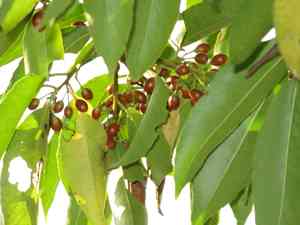
Peach-leaf holly (Ilex chinensis)
Also known as: Chinese Holly,Chinese New Year Flower
Peach-leaf holly stands out as an ornamental tree primarily due to its glossy, lanceolate leaves that bear a striking resemblance to those of a peach tree. This distinctive foliage, coupled with bright red berries that adorn the tree in fall and winter, adds seasonal interest and attracts birds. Its dense, upright growth makes it ideal for hedges or as a standalone feature, while its evergreen nature provides consistent greenery throughout the year. Additionally, it serves as a food source for bees and wildlife, enhancing its ecological value.
In This Article
Attributes of Peach-leaf holly
Lifespan
Perennial
Plant Type
Tree
Plant Height
2 m to 25 m
Spread
6 m to 9 m
Leaf Color
Green Brown
Flower Size
2 mm
Flower Color
Purple Yellow Pink Green Red Lavender Burgundy
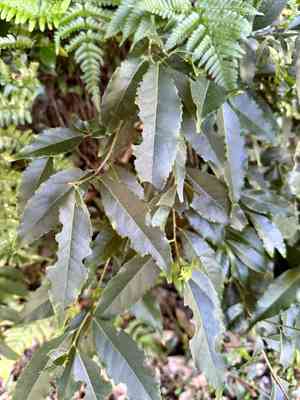
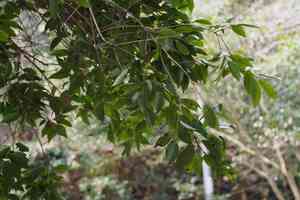
Images of Peach-leaf holly
Quickly Identify Peach-leaf holly
1
Dioecious nature with distinct male and female flowers on separate plants.
2
Vibrant red berries measuring 0.3-0.4 inches (7-10 mm) in diameter.
3
Alternate, leathery leaves with slightly serrated margins and pointed tips.
4
Branchlets are gray, terete, and angular with convex leaf scars.
5
Dark gray, smooth bark with a uniform texture and modest girth up to 8 inches (20 cm).
Scientific Classification of Peach-leaf holly
Phylum
Vascular plants
Class
Dicotyledons
Order
Hollies and allies
Family
Holly
Genus
Ilex
Species
Peach-leaf holly
Planting and Growing of Peach-leaf holly
Care Difficulty
Easy
Watering Schedule
Every 4 days
Sunlight Requirements
Partial sun
Sunshine Duration
6-10 hours
Ideal Temperature
50-75℉
Soil Type
Potting Mix, Peat Mix
Soil pH
6.5-7.5
Fertilizer Type
Balanced
Pruning Season
Spring, Summer
Pruning Area
Branches, Leaves
Pruning Frequency
2 times a year
Repotting Season
Spring
Pot Type
Plastic, Terracotta
 How to Water Peach-leaf holly?
Watering an Ilex chinensis involves providing enough moisture to thoroughly soak the root zone, but not so much that it becomes waterlogged. The amount should be sufficient to ensure the soil remains moist and the roots can absorb nutrients effectively.
What are the symptoms of an underwatered Peach-leaf holly?
›
What should I do if my Peach-leaf holly is not getting enough water?
›
What are the symptoms of an overwatered Peach-leaf holly?
›
How to save an overwatered Peach-leaf holly?
›
 What Are the Sunlight Requirements for Peach-leaf holly?
Ilex chinensis thrives best with partial sun exposure, ideally around 4-6 hours a day. This promotes optimal photosynthesis, supporting vigor, and lush foliage without risking leaf damage from overexposure.
More About Sunlight Requirements Techniques→
What is the best position for Ilex chinensis?
›
How to ensure the plant receives enough light?
›
What are the benefits of ideal lighting?
›
 What Is the Ideal Temperature Range for Peach-leaf holly?
The ideal temperature range for Ilex chinensis is between 50°F and 75°F. This range ensures optimal physiological processes like photosynthesis and respiration. Maintaining this temperature zone promotes healthy growth and vigor, helping the plant to produce lush green foliage and vibrant berries.If the temperature falls outside the ideal range of 50°F to 75°F, the plant might experience growth changes. Higher temperatures may increase stress, leading to wilting, while lower temperatures might cause stunted growth. Consistently maintaining the ideal range supports the plant’s overall health.
 What Soil is Best for Peach-leaf holly?
Ilex chinensis thrives in well-drained soil, ensuring that excess water does not stagnate around its roots. This prevents root rot and promotes strong, healthy growth, allowing the plant to absorb nutrients efficiently. While well-drained, the soil should retain enough moisture to keep the plant hydrated. This balance helps the plant maintain its lush foliage and robust structure, particularly during dry spells. Enriched with organic matter, loamy soil provides essential nutrients that fuel the plant's growth. This nutrient richness supports optimal health, resulting in vibrant leaves and a sturdy form.
 How to Fertilize Peach-leaf holly?
Ilex chinensis requires a moderate amount of fertilizer, making it crucial to apply the right dose. Use about 1 tablespoon of balanced 10-10-10 liquid fertilizer per gallon of water, ensuring the mix is not too strong to avoid root damage.
 How to Prune Peach-leaf holly?
Pay attention to new growth shoots; these indicate the plant is healthy. Pruning new growth will promote bushier foliage but ensure you don't remove too many at once to avoid stressing the plant. Pruning is best done in dry weather. Pruning during wet conditions increases the risk of fungal infections. Monitor climate forecasts and choose a dry, mild day for your gardening activities.
More About Pruning Techniques→
 How to Propagate Peach-leaf holly plant?
1
Collect seeds from mature Ilex chinensis berries in autumn. Ensure they are fully ripe. Clean the seeds by removing the pulp and drying them before storage.
2
Select healthy semi-hardwood cuttings in early summer. Cut approximately 4-6 inches below a leaf node with sharp shears. Remove leaves from the lower part to reduce moisture loss.
3
In early spring, select a low branch that can be bent to the ground. Make a small incision on the underside and bury it in the soil, securing with a u-shaped wire.
 How to Repot Peach-leaf holly plant?
1
To determine the right time to repot Ilex chinensis, look for slow growth, visible roots through drainage holes, or soil that dries out rapidly. These indicators show the plant's need for more space or new nutrients.
2
Select a pot that’s one size larger than the current one and has drainage holes. A larger pot provides space for root growth, while good drainage prevents waterlogging, which can cause root rot.
3
Opt for a well-drained, acidic soil mix. This type of soil offers excellent drainage and the right pH, mimicking the plant’s natural environment and promoting healthy growth.
Learn More About Peach-leaf holly Diseases
Anthracnose
Bacterial Leaf Spot
Black Spot
Chemical Injury
Crown Gall
Damping-off
Downy Mildew
Drought Stress
Fusarium Wilt
Gray Mold
Leaf Curl
Leaf Spot
Mosaic
Nutrient Deficiency
Nutrient Toxicity
Powdery Mildew
Root Rot
Root-knot Nematode
Rusts
Sooty Mold
Spider Mites
Temperature Stress
Thrips Damage



