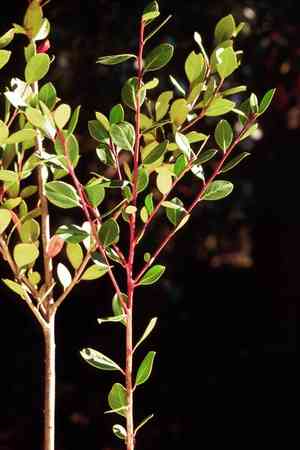
Large gallberry (Ilex coriacea)
Also known as: Little Gallberry, Large Gallberry
The large gallberry is a shrub commonly found in coastal plains, swamps, and woodlands. It provides essential nectar for bees to produce light-colored honey and plays a key role in watershed protection and soil stabilization.
In This Article
Attributes of Large gallberry
Lifespan
Perennial
Plant Type
Tree, Shrub
Plant Height
6 m
Spread
4 m
Leaf Color
Green
Flower Size
0.3 to 0.5 centimeters
Flower Color
White
Images of Large gallberry
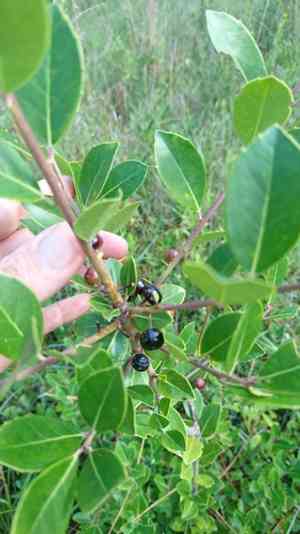
Quickly Identify Large gallberry
1
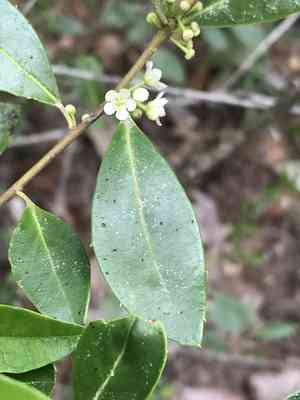
Dioecious nature with separate male and female plants showcasing distinctive flowers.
2
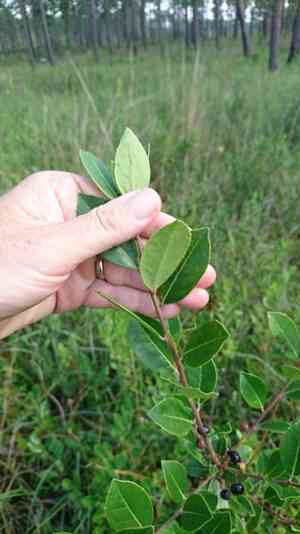
Small, nearly black drupe fruit with a glossy finish and broad silhouette.
3
Alternate, simple leaves measuring 1.5 to 3 inches, with shiny dark green upper surface.
4
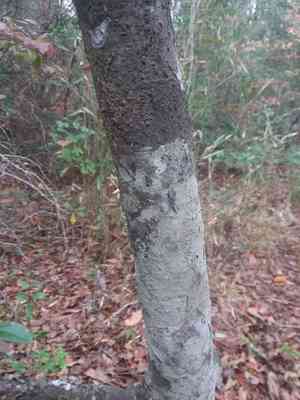
Distinctive smooth, greyish-brown bark with scattered lenticels aiding gas exchange.
Scientific Classification of Large gallberry
Phylum
Vascular plants
Class
Dicotyledons
Order
Aquifoliales
Family
Holly
Genus
Ilex
Species
Large gallberry
Planting and Growing of Large gallberry
Care Difficulty
Easy
Watering Schedule
Every 3 days
Sunlight Requirements
Partial sun
Sunshine Duration
4-8 hours
Ideal Temperature
60-75℉
Soil Type
Potting Mix, Peat Mix
Soil pH
4.5-6.5
Fertilizer Type
Balanced
Pruning Season
Spring, Summer
Pruning Area
Branches, Leaves
Pruning Frequency
2 times a year
Repotting Season
Spring
Pot Type
Terracotta, Plastic
 How to Water Large gallberry?
Ilex coriacea, also known as Large Gallberry, requires moderate watering to thrive. Aim to moisten the soil thoroughly but ensure that it drains well, leaving no standing water. During each watering session, pour approximately 500 milliliters, sufficient to deeply saturate the root area but avoid waterlogging.
What are the symptoms of an underwatered Large gallberry?
›
What should I do if my Large gallberry is not getting enough water?
›
What are the symptoms of an overwatered Large gallberry?
›
How to save an overwatered Large gallberry?
›
 What Are the Sunlight Requirements for Large gallberry?
Ilex coriacea thrives in areas where it receives partial sunlight and full shade. Ideal light improves photosynthesis, resulting in robust growth and healthy foliage, ensuring resilience against environmental stressors.
More About Sunlight Requirements Techniques→
Ideal Light Duration
›
Preventing Scorch
›
Enhancing Growth
›
 What Is the Ideal Temperature Range for Large gallberry?
Ilex coriacea thrives best in temperatures ranging from 60°F to 75°F. This range ensures the plant's physiological processes function efficiently, promoting healthy growth and green foliage. Maintaining temperatures within this range can significantly improve the plant's vitality and resilience.
 What Soil is Best for Large gallberry?
Ilex coriacea thrives in soil that retains moisture without becoming waterlogged. This quality is essential as it helps the plant maintain consistent hydration, reducing stress and promoting healthy growth. The presence of organic matter in the soil is crucial for this plant's nutrition. Rich, fertile soil provides Ilex coriacea with essential nutrients, promoting lush foliage and robust health. While moisture retention is important, good drainage prevents root rot. This balance ensures that water does not accumulate around the roots, protecting the plant from diseases and fostering a growing environment.
 How to Fertilize Large gallberry?
Ilex coriacea, commonly known as large gallberry, generally requires moderate fertilization. Use approximately 1 ounce of balanced, slow-release fertilizer per square foot around the plant's base annually. This amount ensures that the plant receives essential nutrients without overloading the soil.
 How to Prune Large gallberry?
Begin by identifying and removing any dead or diseased branches. This helps in maintaining the plant's overall health and vigor. When shaping the plant, aim to maintain its natural form. Trim the outer branches to encourage a more compact growth and enhance its shape.
More About Pruning Techniques→
 How to Propagate Large gallberry plant?
1
Collect seeds from mature Ilex coriacea berries in autumn. Ensure that seeds are cleaned and dried before storage. Use gloves to protect hands from the berries' toxins.
2
Select a healthy branch and cut 10-15 cm long sections using clean pruning shears. Remove lower leaves to reduce moisture loss and prepare the cutting for planting.
3
Place cuttings in a well-draining soil mix. Ensure that the soil remains consistently moist but not waterlogged. Provide indirect light and maintain a warm environment to encourage root development.
 How to Repot Large gallberry plant?
1
Look for signs such as roots protruding from the drainage holes, slow growth, or soil that dries out too quickly. These are clear indicators that Ilex coriacea needs repotting to thrive.
2
Choose a pot that is 2-3 inches larger in diameter than the current one, ensuring it has adequate drainage holes. This allows the plant enough room to grow while preventing water from stagnating, which is crucial for maintaining root health.
3
Select a well-draining, acidic potting mix to mimic its natural habitat. This choice ensures that the plant receives essential nutrients and avoids root rot by facilitating proper water movement.
Toxicity
Consumption of leaves or berries
WARNING
The judgment on toxicity and danger is for reference only. We DO NOT GUARANTEE any accuracy of such judgment. Therefore, you SHALL NOT rely on such judgment. It is IMPORTANT TO SEEK PROFESSIONAL ADVICE in advance when necessary.



