
Japanese holly (Ilex crenata)
Also known as: Japanese Holly, Box-leaved Holly
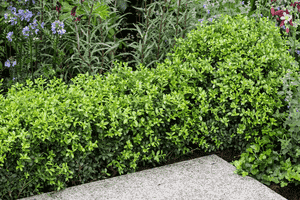
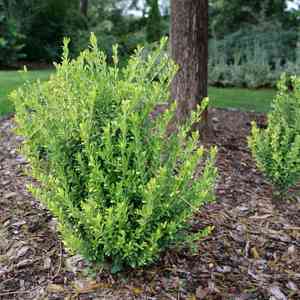
An evergreen shrub native to East Asia that is well-suited for ornamental use or as a Bonsai tree is the Japanese Boxwood (Buxus microphylla). Originating from regions including Japan, this plant is cherished for its compact, dense foliage and its exceptional ability to be shaped through pruning. Additionally, it maintains its vibrant green color throughout the year, making it a favored choice for gardeners and Bonsai enthusiasts alike.
Attributes of Japanese holly
Images of Japanese holly


Quickly Identify Japanese holly
Scientific Classification of Japanese holly
Planting and Growing of Japanese holly
 How to Water Japanese holly?
 What Are the Sunlight Requirements for Japanese holly?
 What Is the Ideal Temperature Range for Japanese holly?
 What Soil is Best for Japanese holly?
 How to Fertilize Japanese holly?
 How to Prune Japanese holly?
 How to Propagate Japanese holly plant?
 How to Repot Japanese holly plant?
Toxicity of Japanese holly
Is Japanese holly toxic to cat?
Japanese holly demonstrates a low level of toxicity to felines. If cats ingest substantial amounts of any section of this plant, they risk experiencing poisoning. Upon ingestion, a cat may exhibit signs of physical distress, which should be carefully observed by their owners. Prompt veterinary attention is crucial to effectively address the health repercussions of poisoning. It is essential for cat owners to remain alert and ensure their pets do not have access to Japanese holly to mitigate any possible health hazards.
Is Japanese holly toxic to dog?
Japanese holly presents a mild toxicity risk for dogs. Canines may suffer poisoning from this plant if they ingest it in significant quantities. Every part of the japanese holly plant is toxic, indicating that the ingestion of any section, be it leaves, berries, or stems, could potentially result in poisoning. Symptoms associated with poisoning can include gastrointestinal disturbances such as vomiting and diarrhea. It is essential for dog owners to keep a close watch on their pets and restrict access to japanese holly, particularly if their dog tends to chew on plants. Should a dog consume japanese holly, it is vital to seek immediate care at a veterinary clinic to safeguard the animal's health and well-being.



