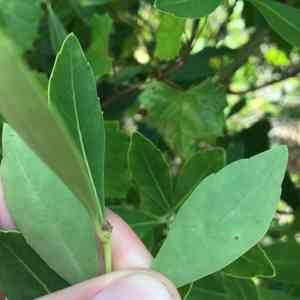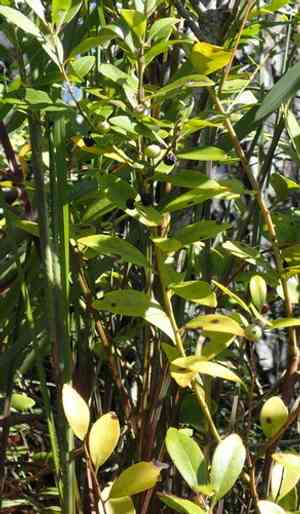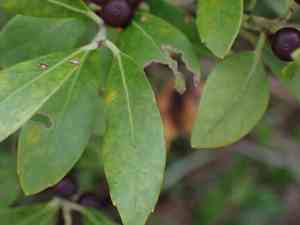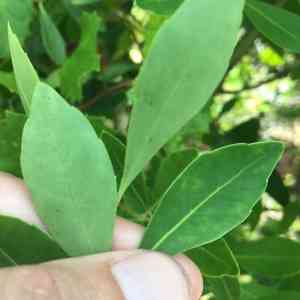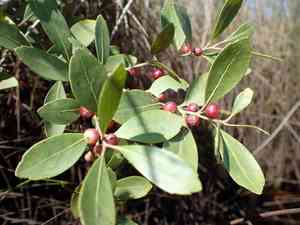
Inkberry(Ilex glabra)

Inkberry (Ilex glabra)

Also known as: Appalachian tea, Evergreen winterberry

The American basswood (Tilia americana) is native to the eastern United States. It is prized for its fragrant blossoms, which are a key ingredient in high-quality honey. Additionally, its leaves can be brewed into a tea that enjoys popularity in East Asia.

Attributes of Inkberry

Lifespan
Perennial
Plant Type
Shrub
Plant Height
1.5 m to 2.5 m
Spread
90 cm to 1.2 m
Leaf Color
Green
Flower Size
0.2 to 0.4 inches
Flower Color
White Green

PlantJoy - Identify plants with a snap

Identify and diagnose plants, get toxicity alerts, and explore safety guides for all types of fungi.

Try for Free

Images of Inkberry

Inkberry(Ilex glabra)

Quickly Identify Inkberry

1
Dense, bushy growth reaching 5-8 feet (1.5-2.4 meters) in height and spread.
2
Glossy, dark green elliptical leaves (1-2 inches/2.5-5 cm) without serration.
3
Small, white-petaled inconspicuous flowers (0.2 inches/5 mm) in cymes.
4
Jet black, pea-sized drupes with glossy, firm texture (3/8 inch/1 cm).
5
Slender, smooth stems (0.2-0.4 inches/0.5-1 cm) with dense branching pattern.

Scientific Classification of Inkberry

Phylum
Vascular plants
Class
Dicotyledons
Order
Aquifoliales
Family
Holly
Genus
Ilex
Species
Inkberry

Planting and Growing of Inkberry

Care Difficulty
Easy
Watering Schedule
Every 3 days
Sunlight Requirements
Partial sun
Sunshine Duration
6-10 hours
Ideal Temperature
60-75℉
Soil Type
Potting Mix, Peat Mix
Soil pH
4.5-6.5
Fertilizer Type
Balanced
Pruning Season
Spring, Summer
Pruning Area
Branches, Leaves
Pruning Frequency
2 times a year
Repotting Season
Spring
Pot Type
Plastic, Ceramic

water icon How to Water Inkberry?

When watering Ilex glabra, aim to provide approximately 500 milliliters of water each time. Ensure the soil is evenly moist but not waterlogged, simulating the natural wet and dry cycles of its environment. This helps maintain a healthy root system.
What are the symptoms of an underwatered Inkberry?
What should I do if my Inkberry is not getting enough water?
What are the symptoms of an overwatered Inkberry?
How to save an overwatered Inkberry?

sunlight icon What Are the Sunlight Requirements for Inkberry?

Sunlight Requirements: Partial sun, Full sun
Duration of light: 4-6 hours daily
Ilex glabra prefers a range from partial to full sunlight, ideally about 4-6 hours daily. Adequate light ensures dense, healthy foliage and vibrant berry production, enhancing the plant's decorative appeal.
What is the ideal light for Ilex glabra?
How can you ensure Ilex glabra gets ideal light?
What are the benefits of ideal lighting for Ilex glabra?
More About Sunlight Requirements Techniques

temperature icon What Is the Ideal Temperature Range for Inkberry?

Ideal Temperature: 60 ~ 75℉
The ideal temperature range for Ilex glabra is between 60°F and 75°F. This range provides optimal conditions for growth and flowering, ensuring that the plant can thrive without being stressed by extreme temperatures. During this range, the plant's cellular processes function efficiently, promoting healthy foliage and bloom development.

soil icon What Soil is Best for Inkberry?

Soil type: Sandy soil, Loam, Acidic soil
Soil PH: 4.5 ~ 6.5
Ilex glabra thrives in well-drained soils, preventing waterlogging that can lead to root rot. Proper drainage ensures healthy root development and enhances nutrient uptake, supporting robust growth. Though it dislikes soggy conditions, this plant appreciates consistent moisture levels. Soil that retains moisture without becoming waterlogged is ideal, ensuring sustained hydration during dry periods. Rich soils with ample organic matter supply essential nutrients necessary for growth. Incorporating compost or well-rotted manure enriches the soil, promoting vigorous foliage and berry production. More About Soil

fertilize icon How to Fertilize Inkberry?

Fertilizer type: Balanced
For Ilex glabra, the right amount of fertilizer is crucial. During its active growing season, generally spring and early summer, apply a balanced water-soluble fertilizer at a rate of 1 tablespoon per gallon of water. Ensure the solution is evenly distributed over the root zone without oversaturating the soil, to avoid any potential root damage. More About Fertilizing Techniques

prune icon How to Prune Inkberry?

Pruning Time: Spring, Summer
Begin with sterilized, sharp pruning shears to ensure clean cuts, reducing the risk of disease transmission. Make sure you have gloves to protect yourself from the sharp edges of the branches. Assess the Ilex glabra for dead, diseased, or damaged branches, which should be removed first. Then, trim any branches that are crossing or misaligned, as maintaining open, unobstructed growth is crucial. Prune each branch just above a healthy bud or side shoot. Make angled cuts to allow water runoff, reducing the chance of rot. Regular shaping prevents the plant from becoming too leggy. Shape the Ilex glabra by thinning out crowded areas for air circulation. Encourage outward growth to achieve a more compact and bushy appearance, ensuring an even distribution of sunlight. More About Pruning Techniques

propagate icon How to Propagate Inkberry plant?

Propagate Time: Spring, Early spring, Late summer
1
For seed propagation, collect healthy seeds from an Ilex glabra plant in late summer. Ensure they are fully matured for optimal germination. For cutting propagation, use sharp pruners to take softwood cuttings in early spring.
2
Use a well-draining soil mix for both seeds and cuttings of Ilex glabra. A combination of perlite and peat moss works well as it provides balance between moisture retention and drainage.
3
Plant seeds or insert cuttings into the propagation medium, ensuring they are secure and upright. Maintain humidity and ensure they receive adequate indirect sunlight to encourage growth.
More About Propagating Techniques

repot icon How to Repot Inkberry plant?

Repotting frequency: Every 2-3 years
1
Look for signs like roots sprawling out from the drainage holes or the plant becoming root-bound, struggling to sustain healthy foliage. These indicate that the plant has outgrown its current pot and it's time to repot. An increase in watering frequency can also signal the need for a larger pot. The best times for repotting are during Spring or Autumn when the plant experiences active growth but isn't under stress from extreme temperatures.
2
Select a pot that is about 2 inches larger in diameter than the current one. This ensures there’s ample space for roots to grow while preventing water from accumulating, which can lead to root rot. The pot should have at least one drainage hole to ensure excess water escapes, maintaining optimal moisture levels and preventing waterlogged conditions that may cause the roots to decay.
3
Opt for an acidic, well-draining soil mixture, which aids in the plant's nutrient absorption and maintains its health by preventing root diseases. Acidic soils complement the plant’s natural habitat, while well-draining components like peat moss or perlite ensure proper air circulation, reducing the risk of overwatering and subsequent root rot.

PlantJoy - Identify plants with a snap

Find the best spots for them to optimize their health, simply using your phone.

Try for Free

Toxicity of Inkberry

Is Inkberry toxic to cat?

Inkberry has a low level of toxicity for cats. If felines ingest substantial amounts of any part of the plant, they risk poisoning. Following the consumption of inkberry, a cat might show symptoms of physical discomfort, particularly gastrointestinal issues. It is essential for pet owners to closely monitor their cats to keep them away from inkberry, and should poisoning occur, prompt veterinary assistance must be sought without delay. Swift medical intervention is critical for the health and recovery of an affected cat.

Is Inkberry toxic to dog?

Inkberry presents a moderate toxicity risk to dogs. If canines ingest it in significant quantities, they may become poisoned. Every part of the inkberry plant is deemed toxic and can lead to negative reactions in dogs. Should a dog consume any portion of inkberry, they might display symptoms like gastrointestinal upset, vomiting, or diarrhea. It is vital for dog owners to keep a close watch on their pets and restrict their access to inkberry to prevent potential poisoning. If a dog does consume inkberry, seeking immediate veterinary assistance is essential for proper treatment and management of any arising symptoms.

Identify toxic plants for your safety

Learn which plants are harmful to you and your pets, and make informed choices for a safer home!

Try for Free
WARNING
The judgment on toxicity and danger is for reference only. We DO NOT GUARANTEE any accuracy of such judgment. Therefore, you SHALL NOT rely on such judgment. It is IMPORTANT TO SEEK PROFESSIONAL ADVICE in advance when necessary.
More About Toxic Techniques