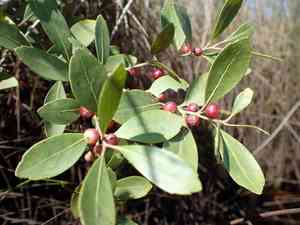
Inkberry (Ilex glabra)
Also known as: Appalachian tea, Evergreen winterberry
The American basswood (Tilia americana) is native to the eastern United States. It is prized for its fragrant blossoms, which are a key ingredient in high-quality honey. Additionally, its leaves can be brewed into a tea that enjoys popularity in East Asia.
Attributes of Inkberry
Images of Inkberry
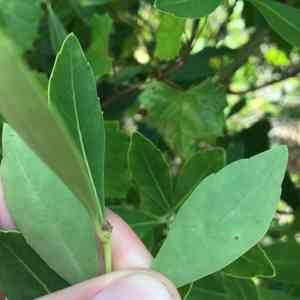
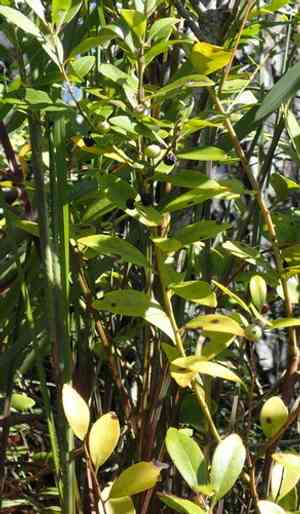
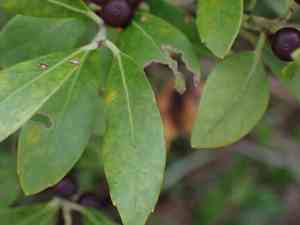
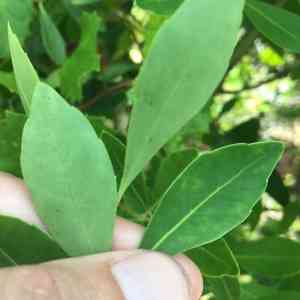
Quickly Identify Inkberry
Scientific Classification of Inkberry
Planting and Growing of Inkberry
 How to Water Inkberry?
 What Are the Sunlight Requirements for Inkberry?
 What Is the Ideal Temperature Range for Inkberry?
 What Soil is Best for Inkberry?
 How to Fertilize Inkberry?
 How to Prune Inkberry?
 How to Propagate Inkberry plant?
 How to Repot Inkberry plant?
Toxicity of Inkberry
Is Inkberry toxic to cat?
Inkberry has a low level of toxicity for cats. If felines ingest substantial amounts of any part of the plant, they risk poisoning. Following the consumption of inkberry, a cat might show symptoms of physical discomfort, particularly gastrointestinal issues. It is essential for pet owners to closely monitor their cats to keep them away from inkberry, and should poisoning occur, prompt veterinary assistance must be sought without delay. Swift medical intervention is critical for the health and recovery of an affected cat.
Is Inkberry toxic to dog?
Inkberry presents a moderate toxicity risk to dogs. If canines ingest it in significant quantities, they may become poisoned. Every part of the inkberry plant is deemed toxic and can lead to negative reactions in dogs. Should a dog consume any portion of inkberry, they might display symptoms like gastrointestinal upset, vomiting, or diarrhea. It is vital for dog owners to keep a close watch on their pets and restrict their access to inkberry to prevent potential poisoning. If a dog does consume inkberry, seeking immediate veterinary assistance is essential for proper treatment and management of any arising symptoms.



