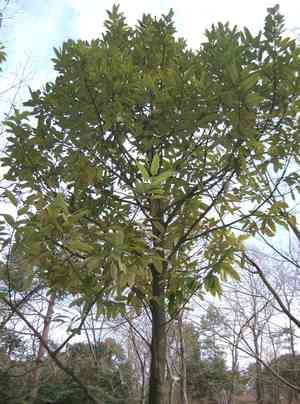
Lusterleaf holly (Ilex latifolia)
Also known as: Tarajo holly
Lusterleaf holly (Ilex latifolia) is a sizable, dense evergreen shrub typically found in forested areas. It is particularly attractive to birds. This holly is commonly grown as an ornamental plant in parks and temple gardens due to its broad, glossy leaves and appealing red berries. The species name "latifolia" translates from Latin to "broad-leafed."
In This Article
Attributes of Lusterleaf holly
Lifespan
Perennial
Plant Type
Tree
Plant Height
6 m to 8 m
Spread
4.5 m to 8 m
Leaf Color
Green
Flower Size
2.5 cm
Flower Color
Yellow Cream
Images of Lusterleaf holly
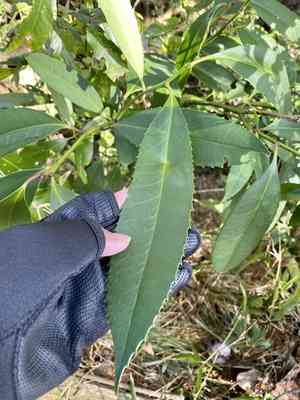
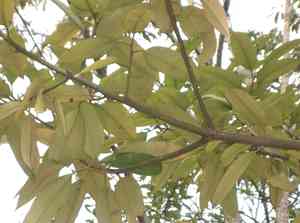
Quickly Identify Lusterleaf holly
1
Evergreen plant with glossy dark green oblong leaves (4-8 inches long).
2
Fruit consists of small, deep orange-red berries less than 0.5 inches in diameter.
3
Distinctive mottled bark with smooth texture and patches of light and dark gray.
4
Small yellowish-green flowers with a fragrant aroma, blooming in clusters of 1-3.
5
Robust stems transition from green to gray-green, densely covered in fine hairs when young.
Scientific Classification of Lusterleaf holly
Phylum
Vascular plants
Class
Dicotyledons
Order
Hollies and allies
Family
Holly
Genus
Ilex
Species
Lusterleaf holly
Planting and Growing of Lusterleaf holly
Care Difficulty
Easy
Watering Schedule
Every 3 days
Sunlight Requirements
Partial sun
Sunshine Duration
6-12 hours
Ideal Temperature
50-77℉
Soil Type
Potting Mix, Peat Mix
Soil pH
5-7
Fertilizer Type
Balanced
Pruning Season
Spring, Summer
Pruning Area
Branches, Leaves
Pruning Frequency
2 times a year
Repotting Season
Spring
Pot Type
Plastic, Ceramic
 How to Water Lusterleaf holly?
The Ilex latifolia, commonly known as the Tarajo Holly, requires a balanced amount of moisture. Water until the soil is evenly moist but not waterlogged, ensuring the excess water drains out to prevent root rot.
What are the symptoms of an underwatered Lusterleaf holly?
›
What should I do if my Lusterleaf holly is not getting enough water?
›
What are the symptoms of an overwatered Lusterleaf holly?
›
How to save an overwatered Lusterleaf holly?
›
 What Are the Sunlight Requirements for Lusterleaf holly?
For Ilex latifolia, partial sun or full shade is ideal. This range ensures adequate photosynthesis without overwhelming the plant with heat, leading to lush growth and vibrant foliage.
More About Sunlight Requirements Techniques→
How much light is ideal for Ilex latifolia?
›
What are the solutions for achieving ideal light conditions?
›
What benefits does ideal light condition offer to the plant?
›
 What Is the Ideal Temperature Range for Lusterleaf holly?
The ideal temperature range for Ilex latifolia is between 50°F and 77°F. Within this range, the plant can maintain optimal metabolic processes, ensuring healthy growth and vibrant foliage. Consistent temperature within this range helps prevent stress on the plant and promotes a stable growing environment.
 What Soil is Best for Lusterleaf holly?
Ilex latifolia thrives in well-drained soil conditions. This ensures the roots have adequate air circulation and reduces the risk of root rot, ultimately resulting in a healthier and robust plant. While good drainage is critical, Ilex latifolia also appreciates soil that retains some moisture, supporting continuous hydration and nutrient uptake, especially during dry periods. Rich soil packed with organic matter can significantly boost growth for Ilex latifolia, providing necessary nutrients that foster strong leaf development and overall plant vigor.
 How to Fertilize Lusterleaf holly?
Ilex latifolia, commonly known as large-leaved holly, requires a balanced approach to fertilization to sustain its rich foliage and robust growth. The amount of fertilizer should be determined by the plant's size and environmental conditions, typically 2-3 tablespoons per plant when using granular fertilizer. For liquid fertilizers, a dilution of 1 part fertilizer to 2 parts water is often recommended.
 How to Prune Lusterleaf holly?
Start by identifying any dead or diseased branches and remove them with clean, sharp shears. Focus on branches that cross each other or grow inward. Trim them to improve air circulation and sunlight penetration. To maintain a balanced shape, trim the topmost sections of the plant to encourage lateral growth. Use evenly spaced cuts to prevent the plant from becoming too dense at the crown, which can affect overall health. If the plant is outgrowing its space, cut back the longer branches to a lateral branch or bud. This helps manage its size without sacrificing its natural form, allowing it to fit comfortably into your landscape.
More About Pruning Techniques→
 How to Propagate Lusterleaf holly plant?
1
Choose seeds from a healthy Ilex latifolia plant. Clean the seeds to remove any pulp and soak them in water for 24 hours to soften the seed coat and enhance germination.
2
Cut healthy, semi-hardwood branches approximately 4 to 6 inches long. Strip the leaves from the lower half and dip the cut end into a rooting hormone to promote root growth.
3
Plant the seeds or cuttings in a well-draining potting mix. Place the container in a well-lit area but away from direct sunlight to prevent drying out and to maintain consistent moisture.
 How to Repot Lusterleaf holly plant?
1
Ilex latifolia should be repotted when you notice the roots circling inside the pot, which indicates that the roots are becoming crowded. Also, if growth slows or the soil doesn't retain water well, it's time for repotting. Repotting during the growth seasons of spring or autumn gives the plant a chance to recover quickly.
2
Select a pot that's 1-2 inches larger in diameter than the current one. Ensure it has drainage holes to prevent waterlogging, which can lead to root rot. The extra space allows room for the roots to grow and stabilize, fostering healthier plant development.
3
A well-drained acidic soil mix is ideal for Ilex latifolia. It should retain moisture but still allow excess water to drain to prevent root rot. This type of soil also supports the plant’s preference for slightly acidic conditions, promoting vibrant growth and health.



