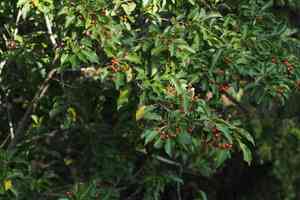
Long-stalk holly(Ilex pedunculosa)

Long-stalk holly (Ilex pedunculosa)

Also known as: Longstalk Holly, Tsuru-tsuge

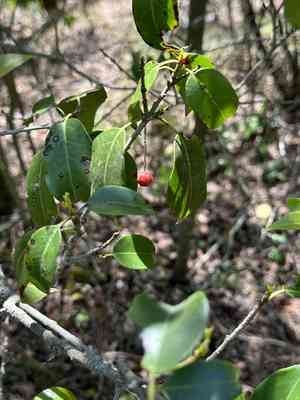
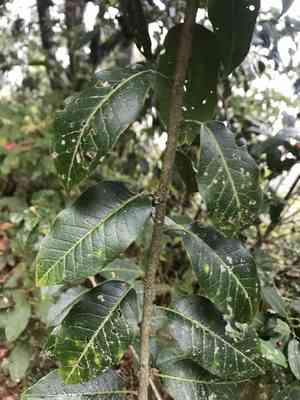
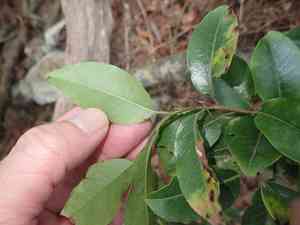
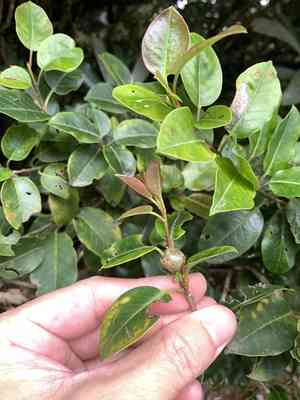
The leaves are 1 to 2 cm in length, with elongated petioles. They grow in an alternate pattern and are oval-shaped, with a slightly leathery and glossy texture, giving them a generous appearance. The upper surface is dark green and smooth, while the underside is lighter, with a prominent midrib. The edges are smooth but exhibit a wavy form. The tree can reach heights of 3 to 7 meters. It flowers in spring to summer, with separate male and female flowers. Female flowers appear individually in the leaf axils, while male flowers are clustered into small white inflorescences. The fruit, which ripens to a red color in fall, is spherical, about 7 mm in diameter, and hangs on a 5 to 6 cm stalk.

Attributes of Long-stalk holly

Lifespan
Perennial
Plant Type
Tree, Shrub
Plant Height
2 m to 15 m
Spread
3 m to 4.5 m
Leaf Color
Green Blue
Flower Size
2.5 cm
Flower Color
White

PlantJoy - Identify plants with a snap

Identify and diagnose plants, get toxicity alerts, and explore safety guides for all types of fungi.

Try for Free

Images of Long-stalk holly

Long-stalk holly(Ilex pedunculosa)

Quickly Identify Long-stalk holly

1
Vibrant red berries on long stalks stand out in fall and winter.
2
Alternate, pear-shaped leaves with prominent midrib and secondary veins.
3
Slender, glabrous stem with sparse, evenly distributed branching.
4
Distinct smooth gray bark transitioning to flaky texture as tree ages.
5
Understated white flowers, 0.2 inches (5 mm) in diameter, on current season's growth.

Scientific Classification of Long-stalk holly

Phylum
Vascular plants
Class
Dicotyledons
Order
Aquifoliales
Family
Holly
Genus
Ilex
Species
Long-stalk holly

Planting and Growing of Long-stalk holly

Care Difficulty
Easy
Watering Schedule
Every 2 days
Sunlight Requirements
Partial sun
Sunshine Duration
4-8 hours
Ideal Temperature
60-75℉
Soil Type
Potting Mix, Peat Mix
Soil pH
6.5-7.5
Fertilizer Type
Balanced
Pruning Season
Spring, Summer
Pruning Area
Branches, Leaves
Pruning Frequency
2 times a year
Repotting Season
Spring
Pot Type
Plastic, Ceramic

water icon How to Water Long-stalk holly?

Ilex pedunculosa, also known as the long-stalked holly, requires approximately 500 milliliters of water per session. Ensure that the soil is wetted uniformly, but avoid creating any waterlogged conditions. The aim is to maintain consistent moisture in the soil without oversaturating it.
What are the symptoms of an underwatered Long-stalk holly?
What should I do if my Long-stalk holly is not getting enough water?
What are the symptoms of an overwatered Long-stalk holly?
How to save an overwatered Long-stalk holly?

sunlight icon What Are the Sunlight Requirements for Long-stalk holly?

Sunlight Requirements: Partial sun, Full sun
Duration of light: 4–6 hours
Partial to full sunlight exposure between 4 to 6 hours daily is optimal for Ilex pedunculosa. This lighting ensures robust growth, healthy leaf coloration, and abundant fruiting, promoting vigorous plant life.
How much light does Ilex pedunculosa require?
What should I do to achieve ideal lighting?
What are the benefits if it receives ideal lighting?

temperature icon What Is the Ideal Temperature Range for Long-stalk holly?

Ideal Temperature: 60 ~ 75℉
Ilex pedunculosa thrives best in a temperature range from 60°F to 75°F. This ensures optimal photosynthesis and prevents stress, leading to robust growth and vibrant foliage. It is recommended to maintain this temperature range to support healthy growth cycles throughout the year.

soil icon What Soil is Best for Long-stalk holly?

Soil type: Loam, Acidic soil
Soil PH: 6.5 ~ 7.5
Ilex pedunculosa thrives in soil conditions that offer excellent drainage. This ensures that the roots maintain optimal moisture levels, preventing root rot and allowing the plant to absorb nutrients more effectively. The plant prefers soil that is rich in organic matter. Such substrates provide essential nutrients that promote vigorous growth and maintain vibrant foliage across different seasons. While it needs well-drained soil, Ilex pedunculosa also requires soil with good moisture retention ability to maintain consistent hydration and support its lush greenery.

fertilize icon How to Fertilize Long-stalk holly?

Fertilizer type: Balanced
Ilex pedunculosa has moderate nutrient needs. When applying liquid fertilizer, use a balanced formula diluted to half strength, such as 10-10-10, and apply about 500ml per plant. For slow-release fertilizer, use approximately 50 grams per plant, adjusted based on plant size.

prune icon How to Prune Long-stalk holly?

Pruning Time: Spring, Summer, Autumn
Begin by assessing the overall shape and health of the Ilex pedunculosa. Identify any dead or diseased wood that needs to be removed to promote better airflow and sunlight penetration. Start by cutting away any dead branches using sterilized shears. Focus on branches that cross each other, as they can cause wounds and lead to disease. Finish by trimming back any growth that detracts from the desired shape. Aim for a natural look, avoiding harsh cuts. Step back regularly to check the plant's shape.

propagate icon How to Propagate Long-stalk holly plant?

Propagate Time: Spring, Late spring, Early summer
1
If propagating via seeds, collect the holly's berries when they are mature. Clean the seeds carefully to remove all pulp, as the pulp can inhibit germination.
2
For cuttings, choose a healthy branch of about 4-6 inches in length. Cut just below a node, and remove the lower leaves without damaging the stem.
3
To propagate by layering, select a low branch and bend it to the ground. Make a small wound on the branch before covering it with soil, ensuring it is watered regularly to promote root growth.

repot icon How to Repot Long-stalk holly plant?

Repotting frequency: Every two years
1
Repot Ilex pedunculosa when you notice roots emerging from the drainage holes or when growth appears stagnant. Spring is ideal as the plant is transitioning into active growth, making it more resilient to the stress of repotting.
2
Select a pot that is 2-3 inches wider than the current one with adequate drainage holes. A slightly larger pot prevents waterlogging and encourages root expansion, promoting healthier growth and minimizing the risk of rot.
3
Use a well-draining acidic soil mix, rich in organic matter. Such a mix mimics the plant's natural habitat, ensuring healthy root development and access to crucial nutrients while preventing water from pooling at the roots.

PlantJoy - Identify plants with a snap

Find the best spots for them to optimize their health, simply using your phone.

Try for Free

Toxicity of Long-stalk holly

Is Long-stalk holly toxic to humans?

Long-stalk holly is classified as having a mild level of toxicity for humans, with the risk of poisoning resulting from its ingestion. Every part of the plant is deemed toxic, and consuming any portion can lead to a variety of unpleasant symptoms. Those who consume long-stalk holly may suffer from gastrointestinal distress, manifesting as nausea, vomiting, and diarrhea. Furthermore, symptoms such as dizziness or headaches may also occur. It is crucial for individuals, particularly those with children or pets, to recognize the potential dangers linked to the accidental ingestion of long-stalk holly and to take necessary precautions to avoid such incidents.

Is Long-stalk holly toxic to cat?

Long-stalk holly presents a slight toxicity risk to felines. In the event a cat accidentally ingests any part of the plant, it faces danger, as the plant encompasses toxic compounds throughout. A cat that consumes long-stalk holly may show indications of physical discomfort or sickness, although specific symptoms are not detailed. It is essential for cat owners to remain observant and keep their pets away from long-stalk holly. If a cat appears to be in distress that may hint at accidental ingestion, promptly seeking assistance at a veterinary clinic is crucial for safeguarding their health.

Is Long-stalk holly toxic to dog?

Long-stalk holly presents a minor toxicity risk to dogs. Canines might unintentionally consume portions of this plant, which can lead to potential poisoning. The entire plant is classified as toxic, and ingestion may cause a range of symptoms that could impact a dog's health. If you suspect that your dog has ingested any part of long-stalk holly, it is vital to seek prompt veterinary assistance to guarantee appropriate treatment and management of any symptoms that may develop.

Identify toxic plants for your safety

Learn which plants are harmful to you and your pets, and make informed choices for a safer home!

Try for Free
WARNING
The judgment on toxicity and danger is for reference only. We DO NOT GUARANTEE any accuracy of such judgment. Therefore, you SHALL NOT rely on such judgment. It is IMPORTANT TO SEEK PROFESSIONAL ADVICE in advance when necessary.