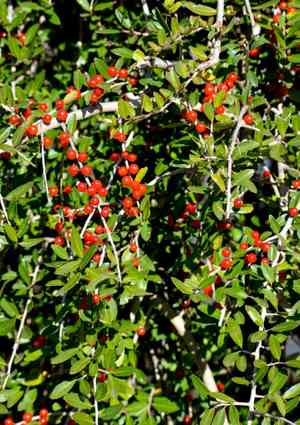
Yaupon (Ilex vomitoria)
Also known as: Cassina, Dwarf yaupon holly
Yaupon, a native shrub or small tree in the southeastern United States, is notable for its evergreen leaves and small white spring flowers, followed by black berries that attract birds. In landscaping, it is popular for hedges and borders due to its dense foliage and trim tolerance. Beyond its garden utility, yaupon holds historical significance for Native American tribes. They brewed its leaves into a caffeinated tea, known as "black drink," for ceremonial and medicinal purposes, leveraging its stimulant and diuretic properties. This tea was integral to rituals, social gatherings, and spiritual purification ceremonies.
Attributes of Yaupon
Images of Yaupon

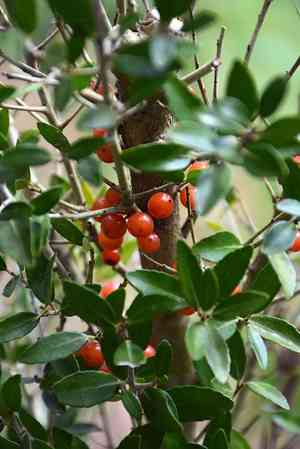

Quickly Identify Yaupon
Scientific Classification of Yaupon
Planting and Growing of Yaupon
 How to Water Yaupon?
 What Are the Sunlight Requirements for Yaupon?
 What Is the Ideal Temperature Range for Yaupon?
 What Soil is Best for Yaupon?
 How to Fertilize Yaupon?
 How to Prune Yaupon?
 How to Propagate Yaupon plant?
 How to Repot Yaupon plant?
Toxicity of Yaupon
Is Yaupon toxic to cat?
Yaupon possesses a low level of toxicity for cats, which can create risks if consumed in large quantities. Every portion of the yaupon plant, including the leaves and berries, has the potential to be harmful, necessitating vigilant observation by cat owners to prevent ingestion. Felines that have ingested yaupon may display signs of physical distress or symptoms of illness, requiring prompt intervention. It is essential to take the affected cat to a veterinary clinic immediately for appropriate care to mitigate these harmful effects and safeguard the cat's health.
Is Yaupon toxic to dog?
Yaupon presents a mild toxicity risk to dogs. Although the plant is not classified as highly toxic, ingesting it in substantial amounts can result in poisoning. Dogs can be affected by the toxins found in any part of the yaupon, as all components of the plant are deemed potentially harmful. The symptoms of poisoning due to yaupon may differ, but could encompass gastrointestinal issues such as vomiting and diarrhea, along with lethargy or more severe reactions depending on the ingested quantity. It is vital for dog owners to keep a close watch on their pets and restrict their access to yaupon, particularly in regions where these plants are abundant. If a dog is suspected of consuming yaupon, seeking immediate veterinary assistance is critical to ensure prompt treatment and minimize potential health issues.



