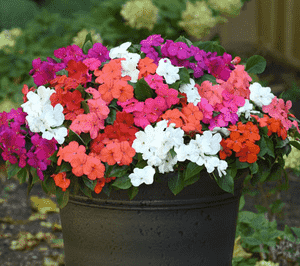
Busy lizzie (Impatiens walleriana)
Also known as: Japanese Balsam, Sultan's balsam, Balsam
The plant you're describing is known for its long-lasting, colorful blooms that span from vibrant purple to orange. Some of these flowers are utilized in hair coloring and dyes. The genus name of this plant is *Impatiens*, derived from the Latin word "impatiens," meaning "impatient," due to the seed pods' tendency to burst open quickly.
In This Article
Attributes of Busy lizzie
Lifespan
Perennial, Annual
Plant Type
Herb
Plant Height
15 cm to 60 cm
Spread
30 cm to 90 cm
Leaf Color
Green
Flower Size
2 cm to 5 cm
Flower Color
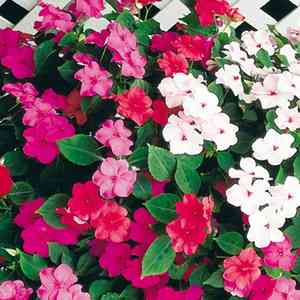
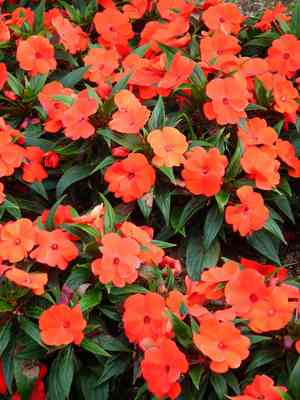
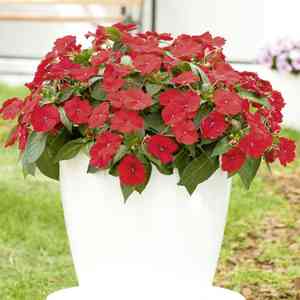
White Red Orange Pink Purple Mauve
Images of Busy lizzie

Quickly Identify Busy lizzie
1
Distinctive flower spur with elongated white appearance.
2
Explosively dehiscent capsules with ribbed texture for seed dispersal.
3
Succulent, smooth stems branching widely for lush growth pattern.
4
Showy blooms in a variety of colors, including peach, apricot, and bicolored.
5
Oval to elliptical leaves with serrated margins and stalked glands on teeth.
Scientific Classification of Busy lizzie
Phylum
Vascular plants
Class
Dicotyledons
Order
Heathers and allies
Family
Balsam
Genus
Jewelweed
Species
Busy lizzie
Planting and Growing of Busy lizzie
Care Difficulty
Easy
Watering Schedule
Every 8 days
Sunlight Requirements
Partial sun
Sunshine Duration
4-8 hours
Ideal Temperature
65-75℉
Soil Type
Potting Mix, Peat Mix
Soil pH
6.5-7.5
Fertilizer Type
Balanced
Pruning Season
Spring, Summer
Pruning Area
Branches, Leaves
Pruning Frequency
2 times a year
Repotting Season
Spring
Pot Type
Plastic, Ceramic
 How to Water Busy lizzie?
For Impatiens walleriana, ensure that the soil remains consistently moist but not soggy. Water until the top inch of soil feels damp to the touch, usually requiring around 300ml per session. It's crucial to avoid standing water, as it can lead to root rot. Observe the plant's leaves; if they appear perky and vibrant, the water level is just right.
More About Watering Techniques→
What are the symptoms of an underwatered Busy lizzie?
›
What should I do if my Busy lizzie is not getting enough water?
›
What are the symptoms of an overwatered Busy lizzie?
›
How to save an overwatered Busy lizzie?
›
 What Are the Sunlight Requirements for Busy lizzie?
Partial shade to partial sun offers the best environment for Impatiens walleriana, promoting vibrant bloom production and healthy foliage. Adequate light levels ensure efficient photosynthesis, supporting robust plant development.
More About Sunlight Requirements Techniques→
Preferred Lighting Environment
›
Solutions to Achieve Ideal Lighting
›
Benefits of Ideal Lighting
›
 What Is the Ideal Temperature Range for Busy lizzie?
Impatiens walleriana thrives best in a warm climate where temperatures stay consistently between 65°F and 75°F. This range ensures optimal growth and flowering by providing the stability these plants need. When the temperature falls within this range, it allows the plant to maintain balanced metabolic processes, ensuring vibrant blooms and healthy foliage. During these ideal conditions, the plant can perform photosynthesis efficiently, leading to robust growth and development.
 What Soil is Best for Busy lizzie?
Impatiens walleriana thrive in well-drained soil, which is crucial to prevent waterlogging that can lead to root rot. A soil mix that includes organic matter aids in maintaining appropriate moisture levels, ensuring the plant's roots have adequate air. This helps the plant absorb nutrients effectively, promoting lush, vibrant foliage and abundant flowering. This species prefers soil that retains some moisture but doesn't stay soggy. An ideal mix would include peat or compost to keep the soil damp while also preventing it from drying out too quickly. Consistent moisture levels help in sustaining healthy plant growth and continuous blooming. To flourish, Impatiens walleriana demand a nutrient-rich growing medium. A loamy soil enriched with organic compost supplies essential nutrients. These nutrients support strong stems and a lush canopy, enhancing the plant's overall health and its ability to resist pests and diseases.
More About Soil→
 How to Fertilize Busy lizzie?
When fertilizing Impatiens walleriana, opt for a balanced water-soluble fertilizer with an NPK ratio around 20-20-20. Use approximately half of the recommended strength on the label to prevent root burn. During the growing season, you can also use an all-purpose liquid fertilizer, but always ensure it's diluted to avoid harming the plant.
More About Fertilizing Techniques→
 How to Prune Busy lizzie?
Identify the nodes on your Impatiens walleriana, which are the points where leaves emerge from the stem. These are ideal cutting points that encourage bushier growth. Prune away any leggy or overgrown stems by cutting just above a node. By doing this, you'll stimulate new growth in the form of additional stems and flowers, promoting a fuller appearance. Snip off spent flowers as they fade. This deadheading process redirects the plant's energy from producing seeds to developing new blooms, extending the flowering period.
More About Pruning Techniques→
 How to Propagate Busy lizzie plant?
1
Select a healthy stem and cut just below a node using sharp pruning shears. Ensure the cutting is about 3-4 inches long and remove the leaves at the bottom.
2
Dip the cut end of the stem into rooting hormone powder. This step helps stimulate root growth and increases the chances of successful propagation.
3
Insert the treated cutting into a pot filled with well-draining soil. Press the soil gently around the base to secure the cutting and maintain moisture using a spray bottle.
 How to Repot Busy lizzie plant?
1
Repotting Impatiens walleriana should be considered when you notice roots emerging from the drainage holes, indicating the plant is root-bound. Additionally, check if the soil has compacted or the plant's growth has slowed. These are clear signals that it's time to provide your Impatiens with more space and fresh soil. Repotting during the growing seasons of spring or early summer ensures that the plant can recover quickly and continue thriving.
2
Select a pot that is one size larger than the current one to allow for adequate root growth without it being too spacious. A pot with good drainage holes is essential to prevent waterlogging, which can lead to root rot. The material of the pot, such as ceramic or plastic, is less crucial than ensuring proper drainage and sizing, both of which promote healthy root systems and vibrant plant growth.
3
Choose a well-draining potting mix to ensure the roots have access to both air and water, preventing the soil from becoming soggy. A high-quality mix designed for flowering plants will often contain a blend of peat, perlite, and vermiculite, providing the right balance of moisture retention and drainage. This type of soil supports the rapid growth and flowering potential of Impatiens walleriana.
Learn More About Busy lizzie Diseases
Anthracnose
Bacterial Leaf Spot
Bacterial Soft Rot
Bacterial Wilt
Black Spot
Chemical Injury
Crown Gall
Damping-off
Downy Mildew
Drought Stress
Fusarium Wilt
Gray Mold
Leaf Spot
Mosaic
Nutrient Deficiency
Nutrient Toxicity
Powdery Mildew
Root Rot
Root-knot Nematode
Sooty Mold
Spider Mites
Temperature Stress
Thrips Damage
White Mold



