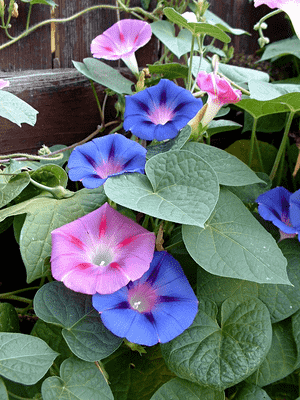
Common morning glory (Ipomoea purpurea)
Also known as: Purple morning-glory
The common morning glory (Ipomoea purpurea) originates from Mexico and Central America. It is often cultivated for its vibrant, trumpet-shaped flowers. However, it has spread and naturalized in temperate and subtropical regions worldwide. In many areas, it is regarded as invasive because it tends to grow aggressively and outcompete local vegetation.
Attributes of Common morning glory
Images of Common morning glory




Quickly Identify Common morning glory
Scientific Classification of Common morning glory
Planting and Growing of Common morning glory
 How to Water Common morning glory?
 What Are the Sunlight Requirements for Common morning glory?
 What Is the Ideal Temperature Range for Common morning glory?
 What Soil is Best for Common morning glory?
 How to Fertilize Common morning glory?
 How to Prune Common morning glory?
 How to Propagate Common morning glory plant?
 How to Repot Common morning glory plant?
Toxicity of Common morning glory
Is Common morning glory toxic to humans?
The common morning glory is known to harbor alkaloids which can be toxic to humans when consumed. The level of poisoning tends to be mild, generally leading to symptoms such as vomiting and diarrhea; however, large quantities may induce confusion and anxiety. Special care should be taken with the seeds, as they possess the highest concentrations of toxic substances. Children are particularly at risk for poisoning from this plant due to their attraction to its large, vibrant flowers.
Is Common morning glory toxic to cat?
The common morning glory presents a toxicity hazard for cats, particularly through its seeds. If a cat consumes these harmful components, it might exhibit signs of physical distress or illness. Cats typically experience poisoning through unintentional ingestion of the seeds. In these cases, swift veterinary intervention is crucial to address any health issues that may stem from such exposure. To avert accidental consumption and the risk of poisoning, it is vital to ensure common morning glory is kept out of cats' reach.
Is Common morning glory toxic to dog?
The common morning glory is identified as a plant with toxic properties for dogs. Canines may suffer from poisoning due to the accidental consumption of this plant, particularly when they mistakenly ingest it. The primary danger lies in the seeds, which are recognized as the most harmful components of the common morning glory. If a dog consumes these seeds, it may display symptoms including gastrointestinal distress, lethargy, or more severe manifestations dependent on the quantity ingested. It is essential for dog owners to closely observe their pets and restrict their access to common morning glory, especially in areas where the seeds may be reachable. Should a dog consume any portion of the common morning glory, especially the seeds, it is vital to seek immediate veterinary assistance to guarantee timely and effective treatment.



