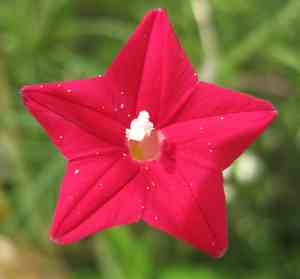
Cypress vine(Ipomoea quamoclit)

Cypress vine (Ipomoea quamoclit)

Also known as: Cardinal vine, Cypressvine morning glory, Cardinal creeper

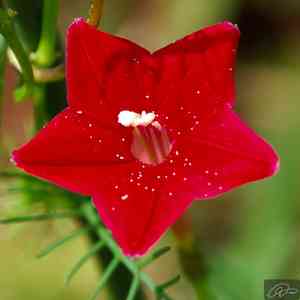
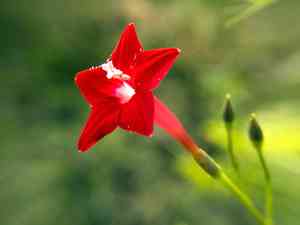
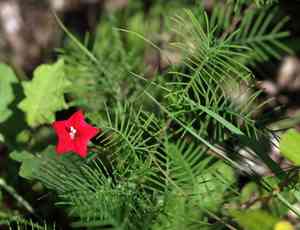
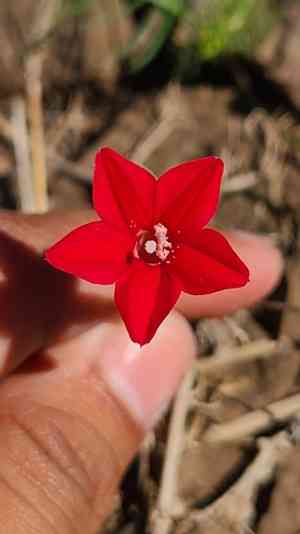
Cypress vine (Ipomoea quamoclit) features delicate, fern-like leaves and striking star-shaped red blossoms. To flourish, it requires full sunlight and well-drained soil, ensuring the soil remains moist without becoming waterlogged. Providing a climbing structure, such as a trellis, supports its rapid growth. This vine is notably resistant to deer and is highly attractive to hummingbirds and butterflies. Like its relative, the Morning Glory, Cypress vine is toxic.

Attributes of Cypress vine

Lifespan
Annual, Biennial, Perennial
Plant Type
Vine, Herb
Plant Height
91 cm to 3 m
Spread
90 cm to 1.8 m
Leaf Color
Green
Flower Size
2.5 cm
Flower Color
White Red

PlantJoy - Identify plants with a snap

Identify and diagnose plants, get toxicity alerts, and explore safety guides for all types of fungi.

Try for Free

Images of Cypress vine

Cypress vine(Ipomoea quamoclit)

Quickly Identify Cypress vine

1
Delicate, fern-like compound leaves with lacy appearance and vibrant green color.
2
Slender twining stems reaching 10-20 feet (3-6 meters) in length, needing support.
3
Small scarlet red tubular flowers, 3/4 inch (1.9 cm) in size, attracting pollinators.
4
Distinctive dry capsules splitting open for seed release, measuring 1/4 to 1/2 inch (6 to 12 mm).
5
Leaves exhibit thigmotropic behavior and close under intense sunlight, reopening at night.

Scientific Classification of Cypress vine

Phylum
Vascular plants
Class
Dicotyledons
Order
Nightshades, bindweeds, gooseweeds, and allies
Family
Morning-glory
Genus
Morning glories
Species
Cypress vine

Planting and Growing of Cypress vine

Care Difficulty
Easy
Watering Schedule
Every 8 days
Sunlight Requirements
Full sun
Sunshine Duration
6-10 hours
Ideal Temperature
70-85℉
Soil Type
Potting Mix, Peat Mix
Soil pH
6.5-7.5
Fertilizer Type
Balanced
Pruning Season
Spring, Summer
Pruning Area
Branches, Leaves
Pruning Frequency
2 times a year
Repotting Season
Spring
Pot Type
Plastic, Terracotta

water icon How to Water Cypress vine?

For Ipomoea quamoclit, ensure that you water deeply enough to reach the root zone, with approximately 250 ml per watering session. The soil should feel moist but not soggy, and you should see the water draining out the bottom of the pot to ensure the roots are hydrated without being waterlogged.
What are the symptoms of an underwatered Cypress vine?
What should I do if my Cypress vine is not getting enough water?
What are the symptoms of an overwatered Cypress vine?
How to save an overwatered Cypress vine?
More About Watering Techniques

sunlight icon What Are the Sunlight Requirements for Cypress vine?

Sunlight Requirements: Full sun, Partial sun
Duration of light: 4 to 6 hours daily
Ideal conditions are full to partial sunlight, beneficial for robust foliage and prolific flowering, as IPomoeea quamoclit thrives under these conditions.
What is the best light condition for Ipomoea quamoclit?
How do I ensure my plant gets enough sunlight?
What benefits does ideal lighting provide?
More About Sunlight Requirements Techniques

temperature icon What Is the Ideal Temperature Range for Cypress vine?

Ideal Temperature: 70 ~ 85℉
The ideal temperature range for Ipomoea quamoclit, commonly known as Cypress Vine, is between 70 and 85 degrees Fahrenheit. At these temperatures, the plant can exhibit optimal growth, displaying vibrant foliage and flowers. This range encourages healthy root development and effective photosynthesis.

soil icon What Soil is Best for Cypress vine?

Soil type: Sandy soil, Loam, Sandy loam
Soil PH: 6.5 ~ 7.5
Ipomoea quamoclit thrives in well-drained soils which prevent waterlogging, thereby protecting the roots from rot. Good drainage allows oxygen to reach the roots, promoting healthy growth and vibrant blooms. This plant prefers soils with moderate fertility, providing enough nutrients for growth without overwhelming the plant. Balanced nutrient levels support strong foliage and abundant flowering. A soil pH between 6.5 and 7.5 is ideal for Ipomoea quamoclit. This range ensures optimal nutrient availability and uptake, promoting overall plant health and resilience. More About Soil

fertilize icon How to Fertilize Cypress vine?

Fertilizer type: Balanced
Ipomoea quamoclit, also known as Cypress Vine, requires a balanced approach to fertilization. Use a diluted liquid fertilizer at a rate of 1 tablespoon per gallon of water to avoid overfeeding, which can harm its delicate roots. When using slow-release granules, scatter no more than 2 tablespoons per 12 inches of plant area, ensuring even distribution around the plant base. More About Fertilizing Techniques

prune icon How to Prune Cypress vine?

Pruning Time: Spring, Summer
Begin by selecting a pair of clean, sharp pruning shears. Trim back any overgrown or tangled vines to maintain a desirable shape. Focus on removing dead, damaged, or diseased stems to promote healthy growth. Cut back to a pair of healthy leaves or a node to encourage branching. Dispose of pruned plant material responsibly to prevent the spread of disease and pests. More About Pruning Techniques

propagate icon How to Propagate Cypress vine plant?

Propagate Time: Spring,Summer
1
Start by soaking Ipomoea quamoclit seeds overnight in water to soften the hard seed coat. Sow them in a seed tray filled with seed-starting mix, covering them with a light layer of soil. Keep the soil moist and place the tray in a warm location with ample light.
2
Select a healthy, non-flowering stem of Ipomoea quamoclit and use a sharp tool to make a clean cut just below a node. Remove the lower leaves and dip the cut end in rooting hormone to encourage root development.
3
Once the seedlings or rooted cuttings have established a good root system, transplant them to individual pots or directly into the garden. Choose a location with well-draining soil and full sun exposure.
More About Propagating Techniques

repot icon How to Repot Cypress vine plant?

Repotting frequency: Every 2-3 years
1
Ipomoea quamoclit requires repotting when its roots outgrow the current container, visibly coming out through the drainage holes. Also, if the plant appears stunted or growth seems sluggish, it might be time to refresh the potting medium. Early signs usually emerge after strong growth in the spring or early summer, signaling the perfect time for a change.
2
Select a container that's one size larger than the current one, ideally with proper drainage holes to prevent waterlogging. A terra cotta pot is often beneficial, as its porous nature helps prevent root rot by allowing excess moisture to evaporate. Ensuring the pot has good drainage will promote healthy root expansion and aeration.
3
Use a well-draining soil mix rich in organic matter, such as a combination of peat, compost, and perlite. This blend provides essential nutrients while ensuring proper drainage, crucial to prevent root rot and promote vigorous growth. The airy structure of the soil mix allows roots to breathe and flourish.

PlantJoy - Identify plants with a snap

Find the best spots for them to optimize their health, simply using your phone.

Try for Free

Toxicity of Cypress vine

Is Cypress vine toxic to humans?

Cypress vine possesses toxic qualities that become apparent when ingested. The repercussions of consuming this plant are generally mild in nature. All components of the plant, including the seeds, are toxic owing to the alkaloids contained within. Ingesting the seeds or other hazardous portions of the plant can lead to symptoms such as vomiting and potential hallucinations. Often cultivated as an ornamental plant in proximity to residences, cypress vine is readily accessible. Children may be particularly at risk due to their attraction to the vibrant flowers, which might lead to accidental consumption of the seeds.

Is Cypress vine toxic to cat?

The plant known as 'cypress vine' poses a significant toxicity risk to cats, particularly if any part of it is ingested. All components of cypress vine are harmful and can trigger serious health concerns for cats that inadvertently consume them. Interaction with this plant can result in various negative reactions that suggest physical distress or illness. Given the curious nature of cats, which often leads them to nibble on various plants, cat owners must take precautions to keep cypress vine securely out of their reach. Should a cat ingest any part of this plant, it is crucial to take swift action by visiting a veterinary facility to ensure the cat receives necessary medical attention.

Is Cypress vine toxic to dog?

Cypress vine poses a toxic threat to dogs. When any portion of the cypress vine is ingested by dogs, they face the danger of poisoning due to the presence of harmful compounds throughout the plant. Dogs might inadvertently consume cypress vine during outdoor adventures or if fragments of the plant are introduced into their surroundings. Signs of poisoning in dogs can comprise vomiting, diarrhea, lethargy, abdominal discomfort, and excessive salivation. Should you suspect that your dog has ingested cypress vine, it's crucial to obtain prompt veterinary assistance to secure the best possible prognosis for your pet.

Identify toxic plants for your safety

Learn which plants are harmful to you and your pets, and make informed choices for a safer home!

Try for Free
WARNING
The judgment on toxicity and danger is for reference only. We DO NOT GUARANTEE any accuracy of such judgment. Therefore, you SHALL NOT rely on such judgment. It is IMPORTANT TO SEEK PROFESSIONAL ADVICE in advance when necessary.
More About Toxic Techniques