
Cypress vine (Ipomoea quamoclit)
Also known as: Cardinal vine, Cypressvine morning glory, Cardinal creeper
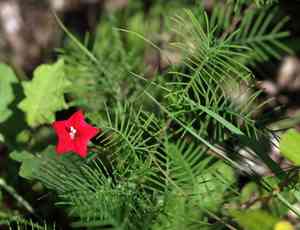
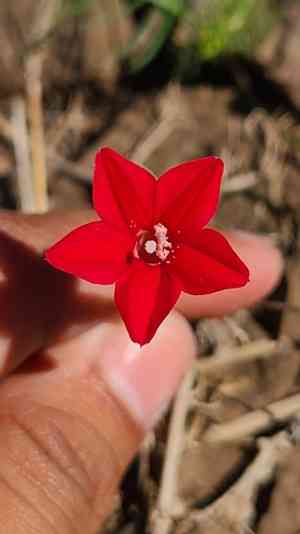
Cypress vine (Ipomoea quamoclit) features delicate, fern-like leaves and striking star-shaped red blossoms. To flourish, it requires full sunlight and well-drained soil, ensuring the soil remains moist without becoming waterlogged. Providing a climbing structure, such as a trellis, supports its rapid growth. This vine is notably resistant to deer and is highly attractive to hummingbirds and butterflies. Like its relative, the Morning Glory, Cypress vine is toxic.
Attributes of Cypress vine
Images of Cypress vine


Quickly Identify Cypress vine
Scientific Classification of Cypress vine
Planting and Growing of Cypress vine
 How to Water Cypress vine?
 What Are the Sunlight Requirements for Cypress vine?
 What Is the Ideal Temperature Range for Cypress vine?
 What Soil is Best for Cypress vine?
 How to Fertilize Cypress vine?
 How to Prune Cypress vine?
 How to Propagate Cypress vine plant?
 How to Repot Cypress vine plant?
Toxicity of Cypress vine
Is Cypress vine toxic to humans?
Cypress vine possesses toxic qualities that become apparent when ingested. The repercussions of consuming this plant are generally mild in nature. All components of the plant, including the seeds, are toxic owing to the alkaloids contained within. Ingesting the seeds or other hazardous portions of the plant can lead to symptoms such as vomiting and potential hallucinations. Often cultivated as an ornamental plant in proximity to residences, cypress vine is readily accessible. Children may be particularly at risk due to their attraction to the vibrant flowers, which might lead to accidental consumption of the seeds.
Is Cypress vine toxic to cat?
The plant known as 'cypress vine' poses a significant toxicity risk to cats, particularly if any part of it is ingested. All components of cypress vine are harmful and can trigger serious health concerns for cats that inadvertently consume them. Interaction with this plant can result in various negative reactions that suggest physical distress or illness. Given the curious nature of cats, which often leads them to nibble on various plants, cat owners must take precautions to keep cypress vine securely out of their reach. Should a cat ingest any part of this plant, it is crucial to take swift action by visiting a veterinary facility to ensure the cat receives necessary medical attention.
Is Cypress vine toxic to dog?
Cypress vine poses a toxic threat to dogs. When any portion of the cypress vine is ingested by dogs, they face the danger of poisoning due to the presence of harmful compounds throughout the plant. Dogs might inadvertently consume cypress vine during outdoor adventures or if fragments of the plant are introduced into their surroundings. Signs of poisoning in dogs can comprise vomiting, diarrhea, lethargy, abdominal discomfort, and excessive salivation. Should you suspect that your dog has ingested cypress vine, it's crucial to obtain prompt veterinary assistance to secure the best possible prognosis for your pet.



