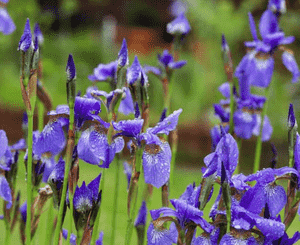
Siberian iris(Iris sibirica)

Siberian iris (Iris sibirica)

Also known as: Siberian Iris

The Siberian iris, known for its striking bluish-purple petals and slender green leaves, has historically been a symbol of royalty and nobility. While its appearance exudes grace and elegance, it is important for plant enthusiasts to note that it does have low toxicity.

Attributes of Siberian iris

Lifespan
Perennial
Plant Type
Herb
Plant Height
50 cm to 1.2 m
Spread
30 cm to 40 cm
Leaf Color
Green Blue
Flower Size
6 cm to 7 cm
Flower Color
Blue Purple White Violet Red Yellow

PlantJoy - Identify plants with a snap

Identify and diagnose plants, get toxicity alerts, and explore safety guides for all types of fungi.

Try for Free

Images of Siberian iris

Siberian iris(Iris sibirica)

Quickly Identify Siberian iris

1
Floral display in bluish-purple hues, varying to white or yellow.
2
Stems reach 2 feet (60 cm), supporting 12-20 flower clusters.
3
Distinctive leaves are bluish-green, strap-like, and ornamental in appearance.
4
Flowers segmented into 3 upright petals and 3 smaller falls with unique flashes.
5
Erect stems 2-4 feet (60-120 cm) tall, unbranched, supporting 2-5 flowers.

Scientific Classification of Siberian iris

Phylum
Vascular plants
Class
Monocotyledons
Order
Asparagales
Family
Iris
Genus
Irises
Species
Siberian iris

Planting and Growing of Siberian iris

Care Difficulty
Easy
Watering Schedule
Every 4 days
Sunlight Requirements
Full sun
Sunshine Duration
6-10 hours
Ideal Temperature
59-77℉
Soil Type
Potting Mix, Peat Mix
Soil pH
6.5-7.5
Fertilizer Type
Balanced
Pruning Season
Spring, Summer
Pruning Area
Branches, Leaves
Pruning Frequency
2 times a year
Repotting Season
Spring
Pot Type
Terracotta, Plastic

water icon How to Water Siberian iris?

When watering Iris sibirica, aim to soak the soil thoroughly but avoid waterlogging. Use approximately 500 milliliters of water per session, ensuring the top 2 inches of soil feel moist without pooling on the surface. This method helps maintain an even level of hydration, crucial for promoting robust growth.
What are the symptoms of an underwatered Siberian iris?
What should I do if my Siberian iris is not getting enough water?
What are the symptoms of an overwatered Siberian iris?
How to save an overwatered Siberian iris?

sunlight icon What Are the Sunlight Requirements for Siberian iris?

Sunlight Requirements: Full sun, Partial sun
Duration of light: 6 to 8 hours
For Iris sibirica, partial to full sun exposure is ideal. Access to consistent sunlight ensures robust blooming and reduces the susceptibility to diseases. Proper lighting directly influences ornamental appeal and plant vitality.
Understanding Ideal Light
Solutions for Optimal Light
Benefits of Ideal Light

temperature icon What Is the Ideal Temperature Range for Siberian iris?

Ideal Temperature: 59 ~ 77℉
For optimal growth, Iris sibirica thrives best in temperatures between 59°F and 77°F. This range supports healthy foliage and vibrant blooms. Consistent temperatures in this range help in maintaining the plant's vigor and promote strong flowering.

soil icon What Soil is Best for Siberian iris?

Soil type: Loam, Sandy loam, Peat soil
Soil PH: 6.5 ~ 7.5
Iris sibirica thrives in well-drained soil that prevents waterlogging, which can lead to root rot. This drainage capacity is crucial for its healthy growth and vibrant blooms. The soil should be able to retain moisture to support Iris sibirica’s growth during dry spells. This capability helps maintain the plant’s lush foliage and rich flowering even in inconsistent rainfall. A nutrient-rich soil provides essential minerals and elements that encourage robust growth and flowering. This nutrient abundance supports the plant's health, ensuring it has the resources needed for vibrant blooms.

fertilize icon How to Fertilize Siberian iris?

Fertilizer type: Balanced
For Iris sibirica, moderation is key when it comes to fertilization. Use a balanced fertilizer with an NPK ratio of around 10-10-10. For liquid fertilizers, follow the package instructions closely and dilute them to half-strength before application. This ensures the plant gets the nutrients it needs without the risk of burning its roots.

prune icon How to Prune Siberian iris?

Pruning Time: Spring, Summer
Begin pruning Sibirica iris in early spring, right as new growth starts, and repeat again in summer after the flowering period. This ensures you are removing spent flowers and old foliage effectively. For spring pruning, remove any dead or damaged foliage. In summer, focus on removing spent flower stalks down to the plant’s base to encourage further blooms and maintain a tidy appearance. Utilize clean, sharp pruning shears to reduce the risk of disease transmission and ensure clean cuts. Sanitizing your tools between different plants can prevent spreading infections. Occasionally thin the clumps by removing some internal stalks. This improves airflow and prevents overcrowding, which reduces the risk of fungal diseases and promotes healthier plants.

propagate icon How to Propagate Siberian iris plant?

Propagate Time: Early spring, Late autumn
1
Using the garden spade, carefully dig around the plant to expose the rhizomes. Separate these using a sharp knife or blade, ensuring each division has roots attached, then replant immediately.
2
Fill a seed tray with sterile soil mix. Sow the Iris sibirica seeds on the surface and lightly cover them with a thin layer of soil. Water gently to avoid washing away the seeds.
3
Ensure that young plants from both seeds and divisions receive adequate water to maintain moist soil conditions, which aids in quick establishment and healthy growth.

repot icon How to Repot Siberian iris plant?

Repotting frequency: Every 3-4 years
1
Look for signals like roots emerging from drainage holes, slowed growth, or soil drying out too fast. These are signs that your Iris sibirica needs a change of scenery.
2
Opt for a pot that is one size larger than the current one, with adequate drainage holes. This ensures roots have enough space to grow, improving health and preventing waterlogging.
3
Select a rich, well-draining soil mix. This provides essential nutrients and allows excess water to escape, which prevents root rot and promotes robust iris growth.

PlantJoy - Identify plants with a snap

Find the best spots for them to optimize their health, simply using your phone.

Try for Free

Toxicity of Siberian iris

Is Siberian iris toxic to cat?

The Siberian iris is recognized as toxic to felines. If cats accidentally ingest any part of this plant, especially the roots and sap, they can suffer from poisoning. Ingestion may lead to symptoms of distress or illness in cats, requiring urgent care. If you suspect your cat has been poisoned by Siberian iris, it is essential to seek veterinary treatment without delay. Acting quickly is vital for their health and safety.

Is Siberian iris toxic to dog?

Siberian iris is regarded as toxic to dogs. If dogs consume the plant, particularly its roots, or come into contact with its sap or juice, they can be poisoned. Ingesting these parts may trigger a range of symptoms, including vomiting, diarrhea, excessive salivation, and abdominal discomfort. It is vital for dog owners to keep a vigilant eye on their pets and restrict their access to Siberian iris to prevent accidental ingestion. Should a dog ingest Siberian iris, seeking immediate veterinary attention is critical, as prompt treatment is key to recovery.

Identify toxic plants for your safety

Learn which plants are harmful to you and your pets, and make informed choices for a safer home!

Try for Free
WARNING
The judgment on toxicity and danger is for reference only. We DO NOT GUARANTEE any accuracy of such judgment. Therefore, you SHALL NOT rely on such judgment. It is IMPORTANT TO SEEK PROFESSIONAL ADVICE in advance when necessary.

