
Flame of the woods (Ixora coccinea)
Also known as: Jungle geranium
The flame of the woods, also known as Ixora, is a favored choice for warm-weather gardens because of its adaptability and striking, vivid flowers. It works well as a hedge, in flower beds, or even as a small tree. Additionally, Ixora is often used as a standalone patio plant due to its resilience and eye-catching look. Its name, Ixora, is derived from a misinterpreted version of the Hindu god Shiva's name.
In This Article
Attributes of Flame of the woods
Lifespan
Perennial
Plant Type
Shrub
Plant Height
1.2 m to 3.5 m
Spread
90 cm to 1.5 m
Leaf Color
Green
Flower Size
5 cm to 13 cm
Flower Color
Yellow Red Orange Pink
Images of Flame of the woods

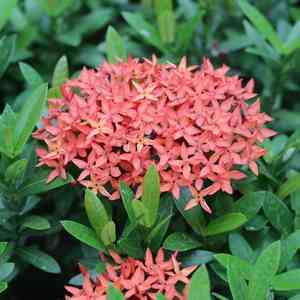
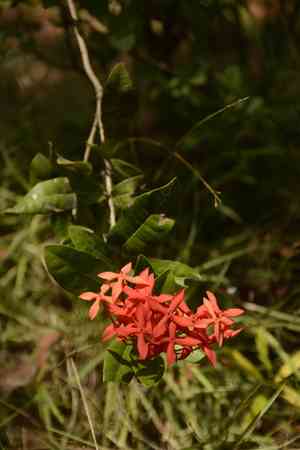
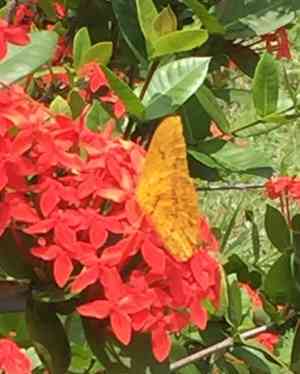
Quickly Identify Flame of the woods
1
Deep green lanceolate leaves with prominent veins and smooth, leathery texture.
2
Dense clusters of star-shaped scarlet to deep orange flowers in corymb cymes.
3
Compact, multi-branched habit suitable for hedges or ornamental showcases.
4
Trunk up to 2 inches (5 cm) in diameter with bark varying from grayish to reddish-brown.
5
Flowers emit a light, sweet fragrance and bloom throughout the year, peaking in warmer months.
Scientific Classification of Flame of the woods
Phylum
Vascular plants
Class
Dicotyledons
Order
Gentianales
Family
Madder
Genus
West indian jasmine
Species
Flame of the woods
Planting and Growing of Flame of the woods
Care Difficulty
Moderate
Watering Schedule
Every 8 days
Sunlight Requirements
Full sun
Sunshine Duration
10-14 hours
Ideal Temperature
65-85℉
Soil Type
Potting Mix
Soil pH
5.5-7
Fertilizer Type
Balanced
Pruning Season
Spring, Summer
Pruning Area
Branches, Leaves
Pruning Frequency
2 times a year
Repotting Season
Spring
Pot Type
Plastic, Terracotta
 How to Water Flame of the woods?
Ixora coccinea prefers water that moistens the soil evenly but is careful not to soak it excessively. The general guideline is around 250 ml per session, making sure the top inch of the soil is moist without creating waterlogged conditions.
More About Watering Techniques→
What are the symptoms of an underwatered Flame of the woods?
›
What should I do if my Flame of the woods is not getting enough water?
›
What are the symptoms of an overwatered Flame of the woods?
›
How to save an overwatered Flame of the woods?
›
 What Are the Sunlight Requirements for Flame of the woods?
Ixora coccinea thrives in partial to full sun conditions. Consistent sunlight fosters more vibrant flowers and healthier foliage. It strengthens the plant’s structure, boosts photosynthesis, and reduces disease susceptibility.
More About Sunlight Requirements Techniques→
What is the optimal sunlight position for Ixora coccinea?
›
How can Ixora coccinea achieve ideal lighting in lower sunlight regions?
›
Why is maintaining the suggested light conditions beneficial?
›
 What Is the Ideal Temperature Range for Flame of the woods?
The ideal temperature range for Ixora coccinea, a tropical plant, falls between 65°F and 85°F. These temperatures mimic its native habitat, ensuring the plant can thrive and produce vibrant blooms. Maintaining this range helps in maximizing both growth and overall health.
 What Soil is Best for Flame of the woods?
Ixora coccinea thrives best in well-draining soil that prevents waterlogging. This is crucial as excessive moisture retention in the soil can lead to root rot, a common issue that hampers the plant's growth and can be fatal. Opting for soil with good drainage properties ensures the plant receives adequate moisture while protecting the root system. This plant does not demand highly fertile soil. Moderately fertile soils are perfect for its growth. Adding organic compost occasionally can help maintain the fertility needed, providing essential nutrients and supporting strong growth and vibrant blooms. The plant prefers acidic to neutral pH levels, between 5.5 and 7.0. This pH range supports nutrient availability and uptake, promoting healthy greenery and flowering. Adjusting the soil pH within this range can be accomplished using organic matter or specialized soil amendments.
More About Soil→
 How to Fertilize Flame of the woods?
For Ixora coccinea, use a balanced 10-10-10 liquid fertilizer. Follow the recommendation on the product label, usually about 1 tablespoon per gallon of water. During the growing season, this amount helps maintain vibrant foliage and abundant blooms.
More About Fertilizing Techniques→
 How to Prune Flame of the woods?
Start by removing any dead or diseased branches. Next, trim back overgrown or leggy stems to encourage a fuller appearance. Make cuts just above a leaf node to promote new growth. Ixora coccinea benefits from shaping to maintain a compact, rounded form. Trim the outer tips of the plant regularly to maintain its shape and encourage even flowering.
More About Pruning Techniques→
 How to Propagate Flame of the woods plant?
1
Choose healthy, young stems for cuttings, ideally 4-6 inches long. Avoid stems with flowers or signs of disease.
2
Prepare a well-draining potting mix, which can consist of equal parts peat and perlite or sand to ensure optimal water retention and aeration.
3
Dip the base of each cutting into rooting hormone, then plant it into the potting mix. Ensure the base is submerged well into the soil to promote rooting.
 How to Repot Flame of the woods plant?
1
Ixora coccinea needs repotting typically when it becomes root-bound or water drainage becomes an issue. If you notice roots poking out of the drainage holes or soil taking longer to dry, it’s time to consider repotting. Ideally, do this in spring or summer when the plant is in its active growth phase.
2
Select a pot that is just one or two sizes larger than the current one, preferably made of clay to aid in soil aeration. The pot should have ample drainage holes to prevent waterlogging, which can lead to root rot. A slightly larger pot encourages healthy root growth without overwhelming the plant.
3
A well-draining potting mix is crucial for Ixora coccinea, ideally one that contains a mix of peat, pine bark, and perlite. This combination ensures proper water retention while allowing excess moisture to escape, preventing root rot. The slightly acidic pH of the mix also supports the plant's nutrient uptake.
Learn More About Flame of the woods Diseases
Anthracnose
Bacterial Leaf Spot
Bacterial Soft Rot
Bacterial Wilt
Black Spot
Chemical Injury
Damping-off
Drought Stress
Fusarium Wilt
Gray Mold
Leaf Curl
Leaf Spot
Mosaic
Nutrient Deficiency
Nutrient Toxicity
Powdery Mildew
Root Rot
Root-knot Nematode
Sooty Mold
Spider Mites
Temperature Stress
Thrips Damage



