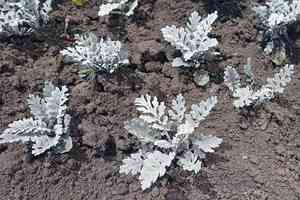
Silver ragwort (Jacobaea maritima)
Also known as: Dusty Miller, Silver Ragwort, Senecio cineraria
Silver ragwort (Jacobaea maritima) is a very white-wooly, heat and drought tolerant evergreen subshrub native to the Mediterranean region. This species was formerly known as Senecio cineraria. Some species of bees build nests on silver ragwort's leaves. This species is deer resistant and often cultivated for horticultural purposes.
Attributes of Silver ragwort
Images of Silver ragwort
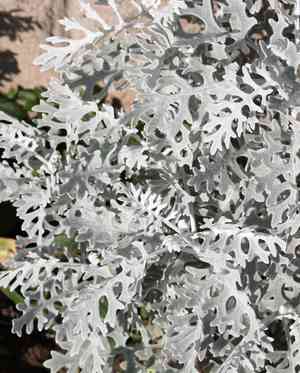
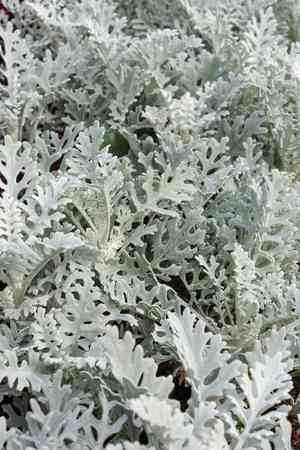
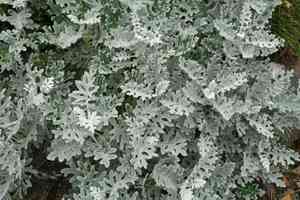
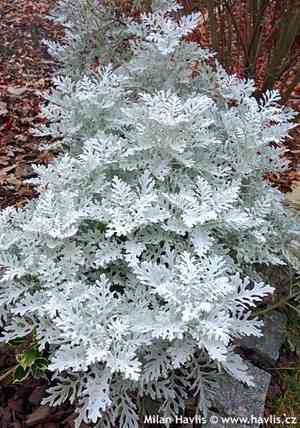
Quickly Identify Silver ragwort
Scientific Classification of Silver ragwort
Toxicity of Silver ragwort
Is Silver ragwort toxic to humans?
Silver ragwort exhibits a modest level of toxicity to humans, mainly through consumption. The entire plant harbors toxic compounds capable of inducing poisoning. Upon ingestion, silver ragwort releases pyrrolizidine alkaloids, which may result in liver damage and present symptoms such as gastrointestinal upset, including nausea, vomiting, and diarrhea. In severe instances, chronic exposure can lead to hepatic veno-occlusive disease, marked by abdominal pain, hepatomegaly, and ascites. Given that all parts of silver ragwort are toxic, individuals should take precautions to avoid accidental ingestion, especially in areas where this plant is found.
Is Silver ragwort toxic to cat?
Silver ragwort presents a mild toxic risk for cats if they happen to ingest it. Cats may inadvertently consume certain parts of the plant, leading to poisoning due to the toxic properties found throughout the entire plant. Following ingestion, cats could exhibit signs of distress, including gastrointestinal issues. The adverse effects are primarily attributed to the presence of pyrrolizidine alkaloids. If ingestion is suspected, it is crucial to seek prompt veterinary attention to safeguard the affected cat's health.
Is Silver ragwort toxic to dog?
Jacobaea maritima, widely recognized as Silver ragwort, presents a mild toxicity hazard to dogs. Canines may inadvertently consume parts of silver ragwort, given its prevalence and availability in gardens or outdoor environments. The entire plant is poisonous, indicating that any section ingested can potentially result in poisoning. When dogs consume silver ragwort, they may show signs of distress such as vomiting, diarrhea, lethargy, or liver failure, attributed to the presence of pyrrolizidine alkaloids. These compounds can lead to serious health concerns if not treated promptly. Dog owners must remain alert and keep their pets away from silver ragwort. If ingestion is suspected, it is crucial to obtain immediate veterinary assistance to ensure the best possible outcome for the affected animal.

