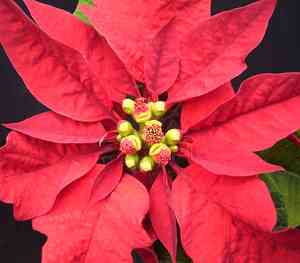
Peregrina (Jatropha integerrima)
Also known as: Integrileaf jatropha
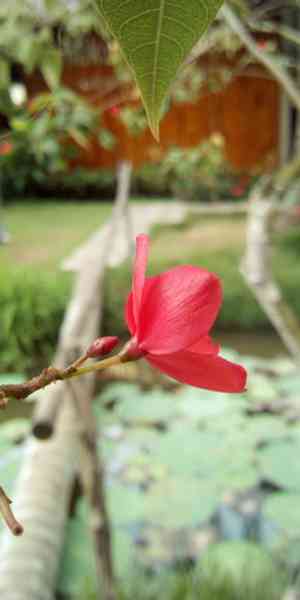
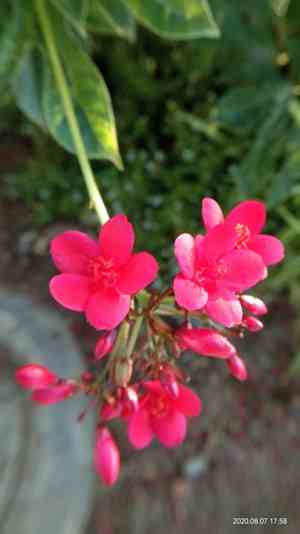
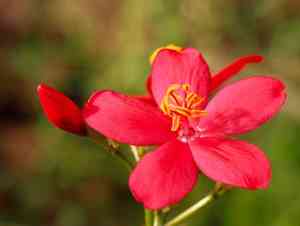
The Peregrina plant (Jatropha integerrima) is admired for its striking red or pink blossoms, making it a favored choice for ornamental borders and decorative gardening. Originating from Cuba, this shrub is now grown globally and is known to attract butterflies and hummingbirds with its year-round flowers.
**Key Features:**
- **Blooms**: Produces vibrant red or pink flowers throughout the year.
- **Origin**: Native to Cuba, but widely cultivated in various regions.
- **Wildlife Attraction**: Draws butterflies and hummingbirds.
**Safety Considerations:**
- **Toxicity**: Every part of the plant is poisonous if ingested.
- **Handling**: Can cause skin irritation; advisable to wear gloves.
- **Protection**: Keep away from children and pets to avoid accidental ingestion.
Take necessary precautions when planting or handling Peregrina, especially in areas accessible to children and pets.
Attributes of Peregrina
Images of Peregrina
Quickly Identify Peregrina
Scientific Classification of Peregrina
Planting and Growing of Peregrina
 How to Water Peregrina?
 What Are the Sunlight Requirements for Peregrina?
 What Is the Ideal Temperature Range for Peregrina?
 What Soil is Best for Peregrina?
 How to Fertilize Peregrina?
 How to Prune Peregrina?
 How to Propagate Peregrina plant?
 How to Repot Peregrina plant?
Toxicity of Peregrina
Is Peregrina toxic to humans?
The sap, fruits, and seeds of the peregrina plant are extremely toxic to humans, with accidental ingestion being the primary way poisoning occurs, especially among children. Consuming the fruits and seeds can lead to fatal outcomes or induce serious health issues, including central nervous system depression, gastroenteritis, and bleeding. Additionally, the sap of the peregrina can lead to skin irritation if the plant is handled directly.
Is Peregrina toxic to cat?
Peregrina represents a significant toxicity threat to cats. Every part of this plant is toxic, and poisoning can arise if any section of it is consumed. If a cat ingests parts of peregrina, it may exhibit signs of physical discomfort, which may manifest as symptoms such as vomiting and diarrhea. Given the elevated toxicity level, the onset of symptoms is typically rapid. It is crucial to quickly seek professional care at a veterinary clinic if there is suspicion that a cat has consumed peregrina.
Is Peregrina toxic to dog?
The plant species known as peregrina presents a significant toxicity threat to dogs. Ingestion of any portion of this plant can result in poisoning. Dogs can become ill by consuming leaves, flowers, seeds, or stems of peregrina. Symptoms of poisoning in dogs may encompass vomiting, diarrhea, weakness, and potentially more severe indications such as seizures or collapse due to the high toxicity associated with this species. It is imperative for dog owners to restrict access to peregrina and remain watchful for any signs of ingestion. Should a dog be suspected of having ingested peregrina, prompt veterinary assistance is essential to manage the symptoms effectively and enhance the chances of recovery.



