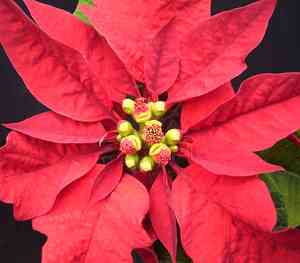
Peregrina(Jatropha integerrima)

Peregrina (Jatropha integerrima)

Also known as: Integrileaf jatropha

The Peregrina plant (Jatropha integerrima) is admired for its striking red or pink blossoms, making it a favored choice for ornamental borders and decorative gardening. Originating from Cuba, this shrub is now grown globally and is known to attract butterflies and hummingbirds with its year-round flowers.

**Key Features:**
- **Blooms**: Produces vibrant red or pink flowers throughout the year.
- **Origin**: Native to Cuba, but widely cultivated in various regions.
- **Wildlife Attraction**: Draws butterflies and hummingbirds.

**Safety Considerations:**
- **Toxicity**: Every part of the plant is poisonous if ingested.
- **Handling**: Can cause skin irritation; advisable to wear gloves.
- **Protection**: Keep away from children and pets to avoid accidental ingestion.

Take necessary precautions when planting or handling Peregrina, especially in areas accessible to children and pets.

Attributes of Peregrina

Lifespan
Perennial
Plant Type
Shrub
Plant Height
1 m to 2 m
Spread
1.8 m to 2.5 m
Leaf Color
Green
Flower Size
5 mm to 1 cm
Flower Color
Red

PlantJoy - Identify plants with a snap

Identify and diagnose plants, get toxicity alerts, and explore safety guides for all types of fungi.

Try for Free

Images of Peregrina

Peregrina(Jatropha integerrima)

Quickly Identify Peregrina

1
Velvety green leaves with purple undersides, 3-6 inches (7.5-15 cm) long and 2 inches (5 cm) wide.
2
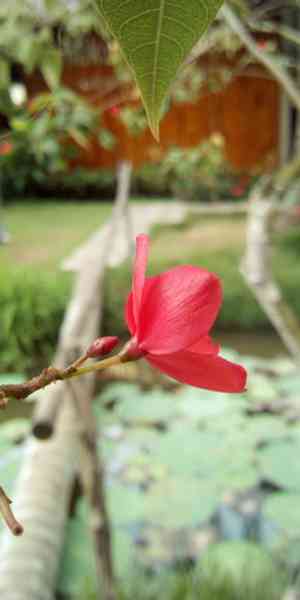
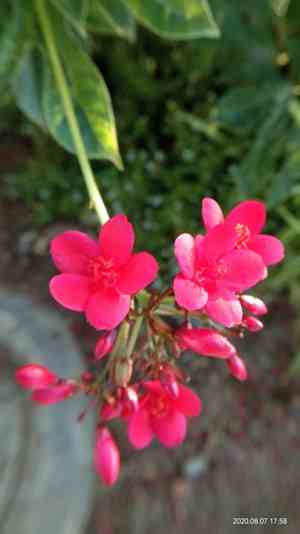
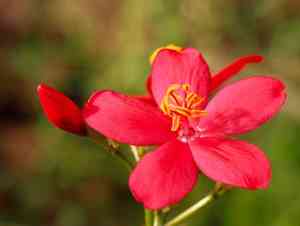
Vibrant deep red flowers, 5 petals with yellow stamens, clustered on 4-inch (10 cm) stalks.
3
Distinct fruit transitioning from green to yellow or red, 0.4-0.8 inches (1-2 cm) long.
4
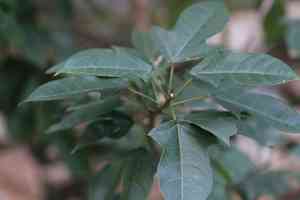
Simple green leaves 4-8 inches (10-20 cm) long, some three-lobed, with defined vein patterns.
5
Male and female flowers on same plant, symmetrical, 1 inch (2.5 cm) wide clusters in warmer months.

Scientific Classification of Peregrina

Phylum
Vascular plants
Class
Dicotyledons
Order
Malpighiales
Family
Spurge
Genus
Physic nuts
Species
Peregrina

Planting and Growing of Peregrina

Care Difficulty
Easy
Watering Schedule
Every 2 days
Sunlight Requirements
Full sun
Sunshine Duration
4-6 hours
Ideal Temperature
65-85℉
Soil Type
Potting Mix, Peat Mix
Soil pH
6.5-7.5
Fertilizer Type
Balanced
Pruning Season
Spring, Summer
Pruning Area
Branches, Leaves
Pruning Frequency
2 times a year
Repotting Season
Spring
Pot Type
Plastic, Ceramic

water icon How to Water Peregrina?

For Jatropha integerrima, the watering should be consistent but not excessive. Ideally, water until the top 2-3 inches of soil are moist but not soggy. The plant prefers well-draining soil, and overwatering can lead to root rot. About 500ml per session is optimal, ensuring moisture reaches the deeper roots.
What are the symptoms of an underwatered Peregrina?
What should I do if my Peregrina is not getting enough water?
What are the symptoms of an overwatered Peregrina?
How to save an overwatered Peregrina?

sunlight icon What Are the Sunlight Requirements for Peregrina?

Sunlight Requirements: Full sun, Partial sun
Duration of light: 4 to 6 hours
Jatropha integerrima thrives in full sun to partial sun conditions, promoting robust growth and abundant flowering. Adequate light ensures better health, vibrant blooms, and strong stem development.
Question: What is the ideal placement for Jatropha integerrima?
Question: How can I ensure the plant receives enough light indoors?
Question: Why is proper lighting crucial for Jatropha integerrima?

temperature icon What Is the Ideal Temperature Range for Peregrina?

Ideal Temperature: 65 ~ 85℉
For optimal growth, Jatropha integerrima thrives in a warm environment. The ideal temperature range is between 65°F and 85°F. Within this range, the plant can efficiently photosynthesize, maintain healthy growth, and produce vibrant flowers. Temperatures consistently within this range help ensure robust foliage and minimal stress.

soil icon What Soil is Best for Peregrina?

Soil type: Sandy loam, Loam
Soil PH: 6.5 ~ 7.5
Jatropha integerrima prefers well-draining soil to prevent waterlogged roots. Good drainage minimizes root rot risks, ensuring the plant remains healthy and vibrant. A soil rich in organic matter supports Jatropha's growth by providing essential nutrients. Organic-rich soil fosters robust plant health and optimal blooming. Loamy soil offers excellent aeration, which is crucial for root respiration in Jatropha integerrima. Proper aeration keeps the roots oxygenated and promotes healthy development.

fertilize icon How to Fertilize Peregrina?

Fertilizer type: Balanced
Jatropha integerrima requires a moderate amount of fertilizer. For liquid fertilizer, dilute it to half the strength recommended on the packaging to avoid root burn. Each plant generally does well with 20 to 30 milliliters in a solution applied directly to the soil around the root zone.

prune icon How to Prune Peregrina?

Pruning Time: Spring, Summer, Autumn
Begin by examining the plant and identifying any dead or damaged branches. Removing these first helps improve plant health and allows for more efficient pruning. To maintain a compact, aesthetically pleasing shape, trim back any overly long or leggy branches. Aim to create a balanced form, allowing sunlight to reach all parts of the plant. To encourage branching and a denser growth habit, cut just above a node or leaf bud. This practice stimulates the plant to produce more branches and flowers. After pruning, ensure you dispose of cuttings and debris appropriately to prevent the spread of pests or diseases. Compost healthy cuttings but discard any diseased material.

propagate icon How to Propagate Peregrina plant?

Propagate Time: Spring, Early summer
1
To propagate through seeds, collect mature seeds from the plant. Ensure that the seeds are fully matured to ensure the best chance of successful germination.
2
For cutting propagation, select healthy branches and cut sections that are around 6 inches long. Make sure the sections are disease-free and have no damage.
3
Place the seeds in seed trays filled with a well-draining potting mix. For cuttings, dip the cut end in rooting hormone before planting it in a suitable potting mix.

repot icon How to Repot Peregrina plant?

Repotting frequency: Every 2-3 years
1
Jatropha integerrima shows readiness for repotting when roots emerge from drainage holes, growth becomes stunted, or the soil dries out rapidly. In these cases, consider repotting to ensure plant vitality and growth.
2
Choose a pot slightly larger than the current one with adequate drainage holes. This prevents waterlogging and ensures proper root aeration, promoting healthy root growth and aiding in preventing root rot.
3
Opt for a well-draining potting mix to avoid water retention, which can lead to root rot. A mixture of sand, perlite, and organic compost provides both drainage and essential nutrients, enhancing plant growth.

PlantJoy - Identify plants with a snap

Find the best spots for them to optimize their health, simply using your phone.

Try for Free

Toxicity of Peregrina

Is Peregrina toxic to humans?

The sap, fruits, and seeds of the peregrina plant are extremely toxic to humans, with accidental ingestion being the primary way poisoning occurs, especially among children. Consuming the fruits and seeds can lead to fatal outcomes or induce serious health issues, including central nervous system depression, gastroenteritis, and bleeding. Additionally, the sap of the peregrina can lead to skin irritation if the plant is handled directly.

Is Peregrina toxic to cat?

Peregrina represents a significant toxicity threat to cats. Every part of this plant is toxic, and poisoning can arise if any section of it is consumed. If a cat ingests parts of peregrina, it may exhibit signs of physical discomfort, which may manifest as symptoms such as vomiting and diarrhea. Given the elevated toxicity level, the onset of symptoms is typically rapid. It is crucial to quickly seek professional care at a veterinary clinic if there is suspicion that a cat has consumed peregrina.

Is Peregrina toxic to dog?

The plant species known as peregrina presents a significant toxicity threat to dogs. Ingestion of any portion of this plant can result in poisoning. Dogs can become ill by consuming leaves, flowers, seeds, or stems of peregrina. Symptoms of poisoning in dogs may encompass vomiting, diarrhea, weakness, and potentially more severe indications such as seizures or collapse due to the high toxicity associated with this species. It is imperative for dog owners to restrict access to peregrina and remain watchful for any signs of ingestion. Should a dog be suspected of having ingested peregrina, prompt veterinary assistance is essential to manage the symptoms effectively and enhance the chances of recovery.

Identify toxic plants for your safety

Learn which plants are harmful to you and your pets, and make informed choices for a safer home!

Try for Free
WARNING
The judgment on toxicity and danger is for reference only. We DO NOT GUARANTEE any accuracy of such judgment. Therefore, you SHALL NOT rely on such judgment. It is IMPORTANT TO SEEK PROFESSIONAL ADVICE in advance when necessary.