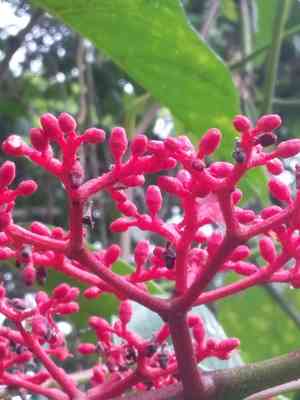
Buddha belly plant (Jatropha podagrica)
Also known as: Buddha belly, Coral plant, Australian bottle plant, Goutystalk nettlespurge, Gout stalk, Bottleplant Shrub
Buddha belly plant (Jatropha podagrica) is a succulent perennial herb native to tropical North and South America. Buddha belly plant is cultivated around the world as an ornamental species due to its unique appearance. This species produces a sticky sap which can be a skin irritant and the plant is toxic if ingested. It is, however, used to make dye, soap, biofuel, and fertilizer.
Attributes of Buddha belly plant
Images of Buddha belly plant
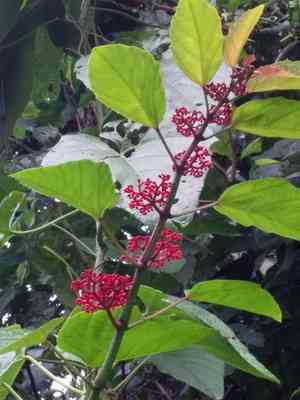
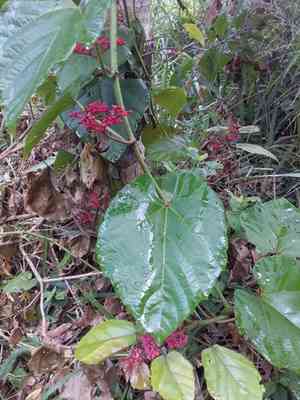
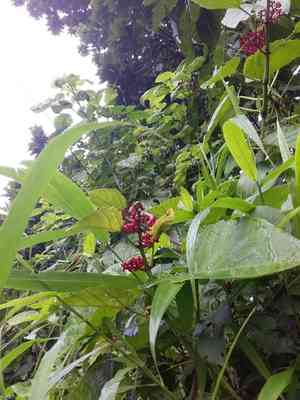
Quickly Identify Buddha belly plant
Scientific Classification of Buddha belly plant
Toxicity of Buddha belly plant
Is Buddha belly plant toxic to humans?
The fruit and sap of the Buddha belly plant are extremely toxic when consumed, leading to dangerous side effects that are especially pronounced in young children. Ingestion can cause severe gastrointestinal distress marked by symptoms such as vomiting, diarrhea, and nausea, alongside a burning feeling in the mouth and throat from the seeds. Additionally, it may lead to acute dehydration and gastroenteritis. In critical situations, poisoning can result in the failure of both the central nervous system and the cardiovascular system. Given that the Buddha belly plant is often cultivated as an ornamental specimen, instances of poisoning through ingestion frequently occur among children. Moreover, dermatitis may develop due to direct contact between the skin and the plant's sap.
Is Buddha belly plant toxic to cat?
The Buddha belly plant presents a serious hazard to cats, marked by its significant toxicity. Any part of this plant can cause poisoning in felines, potentially resulting in severe health issues. Cats exposed to this plant may show signs of distress. Recognizing the seriousness of this matter is essential, and swift action is required. If you suspect your cat has ingested any section of the Buddha belly plant, it is crucial to obtain immediate veterinary assistance to reduce risks and safeguard your pet's health.
Is Buddha belly plant toxic to dog?
The Buddha belly plant presents a significant toxicity threat to dogs. Any ingestion of its parts can result in poisoning. Dog owners must remain watchful since every component of the buddha belly plant is toxic, and accidental ingestion may occur during playtime or exploration. Signs of poisoning in dogs can encompass vomiting, diarrhea, weakness, and more severe reactions such as seizures or even collapse, given the high toxicity of the buddha belly plant. It is crucial for dog owners to respond quickly and seek urgent veterinary assistance if they believe their dog has consumed any portion of the buddha belly plant, as immediate treatment is essential for the well-being and safety of their furry companion.

