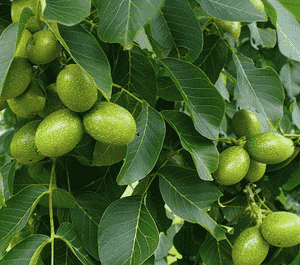
English walnut (Juglans regia)
Also known as: Persian walnut, Madeira walnut
The english walnut is a large deciduous tree. There are many superstitious beliefs tied to it, one of which originates from the island of Skopelos: people believe that the planter of a walnut tree will die once the english walnut grows tall enough to see the sea.
Attributes of English walnut
Images of English walnut
Quickly Identify English walnut
Scientific Classification of English walnut
Toxicity of English walnut
Is English walnut toxic to cat?
The English walnut presents a moderate toxicity risk to cats. Its stems, roots, and seeds are recognized as harmful components that can lead to health problems in felines. If cats consume these parts in substantial quantities, they may suffer from poisoning. After ingestion, a cat could display signs of physical unease, but the exact symptoms can differ. Caregivers should vigilantly observe their pets and quickly pursue treatment at a veterinary clinic if any indications of illness appear following exposure to the English walnut.
Is English walnut toxic to dog?
The English walnut carries a slight toxicity risk for dogs. High quantities of this plant can poison canines, especially if they ingest components like the stems, roots, or seeds. Following consumption, dogs may show signs of poisoning. It is essential for dog owners to keep a close watch on their pets and restrict their access to these parts of the English walnut. If a dog exhibits any distressing symptoms after eating English walnut, it is vital to obtain immediate veterinary assistance to safeguard their health.

