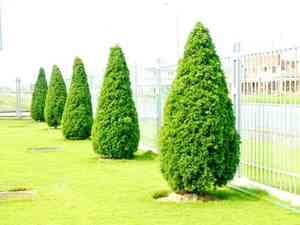
Chinese juniper (Juniperus chinensis)
Also known as: Chinese Juniper, Dragon Pine, "Sabina chinensis"
The Chinese Elm (Ulmus parvifolia) is an evergreen tree or shrub that offers year-round greenery. This versatile plant can be used in bonsai arrangements due to its manageable size in certain cultivars. Larger Chinese Elm trees are also commonly planted as shade trees along roads, driveways, and sidewalks, where they thrive well.
In This Article
Attributes of Chinese juniper
Lifespan
Perennial
Plant Type
Shrub
Plant Height
1 m to 20 m
Spread
3 m
Leaf Color
Green Blue
Flower Size
2 mm to 3 mm
Flower Color
Yellow White Green Brown
Images of Chinese juniper
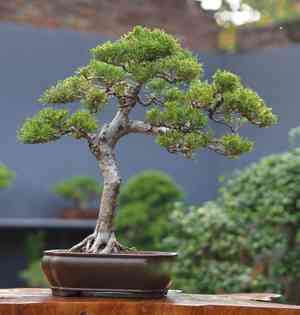
Quickly Identify Chinese juniper
1
Dark green scale-like leaves in adults, bluish-green needle-like juvenile foliage.
2
Distinctive blue berry-like cones, visually striking with fleshy texture.
3
Ridged bark peeling in thin strips, revealing complex patterns as it ages.
4
Bushy conical shape reaching 50-60 feet (15-18 meters) in height.
5
Male pollen cones and female seed cones, the latter maturing to violet-brown or black.
Scientific Classification of Chinese juniper
Phylum
Vascular plants
Class
Conifers
Order
Pines and allies
Family
Cypress
Genus
Junipers
Species
Chinese juniper
Planting and Growing of Chinese juniper
Care Difficulty
Easy
Watering Schedule
Every 2 days
Sunlight Requirements
Full sun
Sunshine Duration
4-8 hours
Ideal Temperature
60-75℉
Soil Type
Potting Mix, Peat Mix
Soil pH
5-8
Fertilizer Type
Balanced
Pruning Season
Spring, Summer
Pruning Area
Branches, Leaves
Pruning Frequency
2 times a year
Repotting Season
Spring
Pot Type
Plastic, Ceramic
 How to Water Chinese juniper?
For Juniperus chinensis, ensure the soil is moist but not waterlogged. Water approximately 500ml each time, allowing the soil to partially dry out between sessions. The goal is to provide enough water so it reaches the roots without oversaturating the soil.
What are the symptoms of an underwatered Chinese juniper?
›
What should I do if my Chinese juniper is not getting enough water?
›
What are the symptoms of an overwatered Chinese juniper?
›
How to save an overwatered Chinese juniper?
›
 What Are the Sunlight Requirements for Chinese juniper?
Partial to full-day sunlight is ideal. Sufficient light boosts photosynthesis, enhancing the plant's health, color vibrancy, and growth texture.
More About Sunlight Requirements Techniques→
What is the best light exposure for Juniperus chinensis?
›
How to achieve optimal light for Juniperus chinensis?
›
What are the benefits of ideal lighting conditions?
›
 What Is the Ideal Temperature Range for Chinese juniper?
Juniperus chinensis, or Chinese Juniper, thrives best in temperatures ranging from 60 to 75°F. This range allows the plant to photosynthesize effectively and maintain a healthy growth cycle. At these temperatures, the metabolic processes of the plant are optimized, supporting robust development and vibrant foliage.
 What Soil is Best for Chinese juniper?
Juniperus chinensis thrives best in well-draining soils. Proper drainage prevents waterlogging, which can lead to root rot. Ensuring good drainage helps maintain healthy root systems and vibrant foliage. This species is not very demanding in terms of soil fertility. It grows well in moderately fertile soil while excessive nutrients can promote too much growth that becomes susceptible to diseases. Therefore, controlled fertility is beneficial. The root system of Juniperus chinensis benefits from aerated soil. Compact soils that restrict air movement can stunt growth. Aeration promotes healthier roots by enabling better absorption of nutrients and water.
 How to Fertilize Chinese juniper?
For Juniperus chinensis, a moderate amount of fertilizer is recommended. When using liquid fertilizers, a diluted solution with a concentration of half the recommended dosage should suffice. For slow-release pellets, apply at the base of the plant, ensuring they're evenly distributed, and follow the product guidelines closely to avoid over-fertilization.
 How to Prune Chinese juniper?
Begin by identifying any dead or diseased branches and remove them using sharp pruning shears. Focus on shaping the plant by trimming back overgrown branches and maintaining a balanced form. Always cut at a 45-degree angle above a leaf node to encourage new growth. Avoid cutting into the bare wood as this might hinder regeneration. Regularly step back to assess your progress and ensure a natural appearance.
More About Pruning Techniques→
 How to Propagate Chinese juniper plant?
1
Harvest seeds from the berries of mature Juniperus chinensis plants. Soak seeds in water to remove pulp and prepare them for planting.
2
Select semi-hardwood cuttings from healthy growth. The ideal length is about 4-6 inches. Strip the lower leaves and treat with rooting hormone.
3
Prepare the rootstock and scion of similar thickness. Make a clean cut and join them securely, ensuring cambial layers are matched.
 How to Repot Chinese juniper plant?
1
The right time to repot Juniperus chinensis is when you notice roots growing out of the drainage holes, or if the soil is drying out much faster than usual. These are signs that the plant's root system has become too large for its current pot and requires more space to grow healthier.
2
Select a pot slightly larger than the current one to accommodate future root growth. Ensure it has adequate drainage holes to prevent waterlogging, which junipers dislike. Terracotta pots are advantageous as they allow proper airflow, helping maintain the ideal root environment.
3
Opt for a well-drained, sandy soil mix to mimic the plant’s natural environment. This soil composition ensures excellent drainage, preventing water accumulation around the roots, which can lead to root rot. It supports aeration, crucial for Juniperus chinensis’s growth and health.



