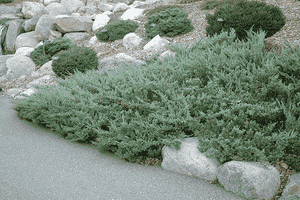
Creeping juniper(Juniperus horizontalis)

Creeping juniper (Juniperus horizontalis)

Also known as: Waukegan juniper, American savin

Creeping juniper, scientifically known as Juniperus horizontalis, is a shrub native to North America, especially prevalent in Canada. It is widely used in gardens as an ornamental ground cover. There are more than 100 different cultivars of this plant.

Attributes of Creeping juniper

Lifespan
Perennial
Plant Type
Shrub
Plant Height
10 cm to 30 cm
Spread
90 cm to 2.5 m
Leaf Color
Green Blue Yellow
Flower Size
2 mm to 4 mm
Flower Color
Yellow Green

PlantJoy - Identify plants with a snap

Identify and diagnose plants, get toxicity alerts, and explore safety guides for all types of fungi.

Try for Free

Images of Creeping juniper

Creeping juniper(Juniperus horizontalis)

Quickly Identify Creeping juniper

1
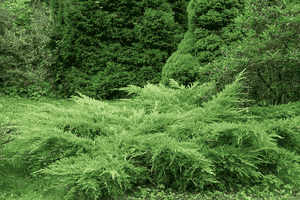
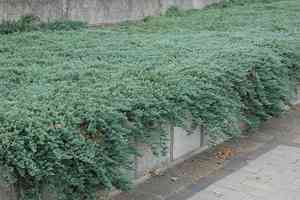
Low-lying, ground-covering shrub with horizontal growth, 6-12 inches (15-30 cm) tall.
2
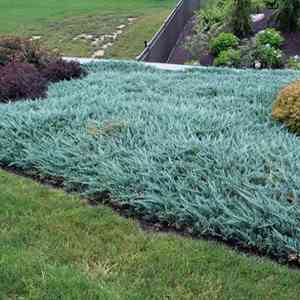
Foliage transitions from green to blue-green, creating a carpet-like appearance.
3
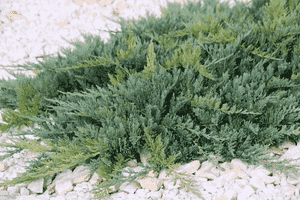
Scale-like, closely packed leaves in a four-ranked pattern, small (1/16 - 1/8 inches or 2-3 mm).
4
Smooth brown branchlets on slender stems, trailing growth pattern, 0.1-0.2 inches (2-5 mm) in diameter.
5
Reddish-brown bark that peels to reveal fibrous, scaly surface, low-lying trunk with moderate thickness.

Scientific Classification of Creeping juniper

Phylum
Vascular plants
Class
Conifers
Order
Pinales
Family
Cypress
Genus
Junipers
Species
Creeping juniper

Planting and Growing of Creeping juniper

Care Difficulty
Easy
Watering Schedule
Every 2 days
Sunlight Requirements
Full sun
Sunshine Duration
6-8 hours
Ideal Temperature
60-75℉
Soil Type
Potting Mix, Peat Mix
Soil pH
6.5-7.5
Fertilizer Type
Balanced
Pruning Season
Spring, Summer
Pruning Area
Branches, Leaves
Pruning Frequency
2 times a year
Repotting Season
Spring
Pot Type
Plastic, Terracotta

water icon How to Water Creeping juniper?

When watering Juniperus horizontalis, aim to thoroughly soak the area around the root zone without allowing the soil to become waterlogged. This typically requires about 500 milliliters of water per session, ensuring the top 5 centimeters of soil are moist but not overly saturated.
What are the symptoms of an underwatered Creeping juniper?
What should I do if my Creeping juniper is not getting enough water?
What are the symptoms of an overwatered Creeping juniper?
How to save an overwatered Creeping juniper?

sunlight icon What Are the Sunlight Requirements for Creeping juniper?

Sunlight Requirements: Full sun, Partial sun
Duration of light: 6 to 8 hours
Juniperus horizontalis thrives best in full to partial sun, benefiting from 6 to 8 hours of daily sunshine. Adequate light promotes lush, sprawling growth and maintains the plant's vibrant coloration.
Optimal Sun Exposure
Adjusting for Partial Sun
Seasonal Sun Management

temperature icon What Is the Ideal Temperature Range for Creeping juniper?

Ideal Temperature: 60 ~ 75℉
For Juniperus horizontalis, the ideal temperature range is between 60°F and 75°F. This range supports optimal photosynthesis and growth processes, ensuring the plant maintains its vibrant foliage and overall health. Temperatures within this range facilitate the plant's natural cycle, reducing stress and promoting robust growth.

soil icon What Soil is Best for Creeping juniper?

Soil type: Sandy soil, Loam, Calcareous soil
Soil PH: 6.5 ~ 7.5
Juniperus horizontalis thrives best in well-draining soil that prevents water logging, which can lead to root rot. This type of soil mimics its natural habitat and supports healthy root development. This plant requires soil with moderate nutrient content. Excessive nutrients can lead to overly lush growth that is not characteristic of the juniper's low-maintenance nature. A pH range of 6.5 to 7.5 is ideal for Juniperus horizontalis. This pH supports optimal nutrient uptake, which in turn promotes vibrant foliage and overall plant vigor.

fertilize icon How to Fertilize Creeping juniper?

Fertilizer type: Balanced
For Juniperus horizontalis, it's important to apply just enough fertilizer to maintain healthy growth without overstimulating it. This generally means using a balanced 10-10-10 liquid fertilizer, diluted half to the recommended strength, around every two weeks during the growing season. Solid, slow-release fertilizers should be used more sparingly, at a rate of 2-3 times per year, following the package instructions for outdoor shrubs.

prune icon How to Prune Creeping juniper?

Pruning Time: Spring, Summer, Autumn
Begin by inspecting your Juniperus horizontalis for any dead or diseased branches. Use clean, sharp pruning shears to cut these branches back to a healthy node or the base. This will prevent the spread of disease and stimulate new growth in healthier parts. Trim overgrown branches to maintain the desired shape of the plant, but avoid cutting more than one-third of the plant at one time to minimize stress. Start by choosing the natural shape you desire for your Juniperus horizontalis. Carefully trim around the outer edges to follow this shape. For a more formal look, you may want to create a dome or a flat top. Take small steps, trimming gradually to avoid taking too much off at once. Remember, the goal is to keep the shape balanced and natural-looking as you prune.

propagate icon How to Propagate Creeping juniper plant?

Propagate Time: Spring, Early summer
1
Choose a healthy, mature parent plant of Juniperus horizontalis during its active growth period. Water the plant a day prior to cutting to ensure it is well-hydrated, which aids in the vitality of the cuttings.
2
Select 4 to 6-inch long, semi-hardwood cuttings with several nodes from the parent plant. Use sterilized shears to make a clean cut just below a node, which is where roots are most likely to form.
3
Dip the cut end into rooting hormone and plant it in a potting mix that is well-drained. The mix can include sand, perlite, or vermiculite to improve drainage. Cover with a plastic bag to retain humidity and place in indirect sunlight.

repot icon How to Repot Creeping juniper plant?

Repotting frequency: Every 2-3 years
1
Juniperus horizontalis signals the need for repotting when roots start poking through the drainage holes or the plant becomes visibly root-bound. Ideally, repotting should take place during the growing seasons of spring or autumn, allowing it to establish itself before extreme weather conditions.
2
Select a pot that is slightly larger than the current one, with ample drainage holes. This ensures space for root growth and prevents water-logging, which could lead to root rot. A terracotta pot is excellent, as it allows breathability and mimics natural earthen conditions.
3
Opt for a well-draining, sandy soil mix, perhaps with added perlite or pebble aggregates. This composition provides the right balance of moisture and aeration, preventing water from pooling around the roots and mimicking the plant's native rocky habitats.

PlantJoy - Identify plants with a snap

Find the best spots for them to optimize their health, simply using your phone.

Try for Free

Toxicity of Creeping juniper

Is Creeping juniper toxic to humans?

The creeping juniper produces berries that could be mildly toxic to humans if consumed. While it is not as harmful as various other juniper species, significant consumption of the 'berries' (which are technically female seed cones) may lead to gastrointestinal distress, including upset stomach, vomiting, diarrhea, and in severe instances, kidney complications. This plant is a well-liked evergreen groundcover found in cold-temperate regions, characterized by a distinctive appearance that makes it difficult to confuse with edible species. Consequently, instances of poisoning from consuming creeping juniper are extremely uncommon.

Is Creeping juniper toxic to cat?

Creeping juniper is categorized as having a mild level of toxicity for cats. Cats face a risk of poisoning mainly when they consume significant quantities of the plant, especially the seeds. Following the ingestion of the toxic elements of creeping juniper, felines may show signs of physical distress or sickness. Given that the intensity of symptoms can differ, it is essential for cat owners to keep a close eye on their pets for any behavioral changes and to swiftly consult a veterinarian if any symptoms occur.

Is Creeping juniper toxic to dog?

Creeping juniper presents a slight toxicity threat to dogs. If ingested in significant quantities, particularly its seeds—which are the most toxic parts—canines could suffer from poisoning. Symptoms may manifest as gastrointestinal distress, including vomiting and diarrhea. Should you suspect that your dog has consumed creeping juniper, it is essential to promptly seek veterinary care to safeguard their health.

Identify toxic plants for your safety

Learn which plants are harmful to you and your pets, and make informed choices for a safer home!

Try for Free
WARNING
The judgment on toxicity and danger is for reference only. We DO NOT GUARANTEE any accuracy of such judgment. Therefore, you SHALL NOT rely on such judgment. It is IMPORTANT TO SEEK PROFESSIONAL ADVICE in advance when necessary.