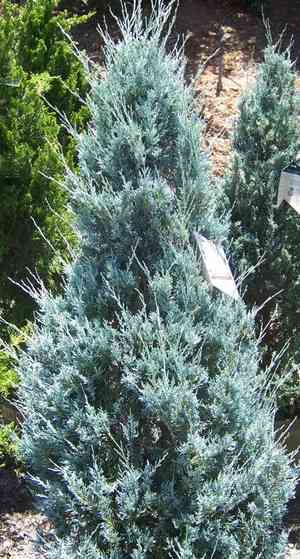
Rocky mountain juniper (Juniperus scopulorum)
Also known as: River juniper, Western red cedar
The tree in question is the Eastern Red Cedar (Juniperus virginiana). It typically reaches heights of 5 to 6 meters and features dark green foliage. The tree produces berries that are attractive to birds and other wildlife. Its aromatic wood is prized for use in cedar chests and lumber. Unlike some other species, it is well-suited to a variety of climates, including humid ones.
Attributes of Rocky mountain juniper
Images of Rocky mountain juniper
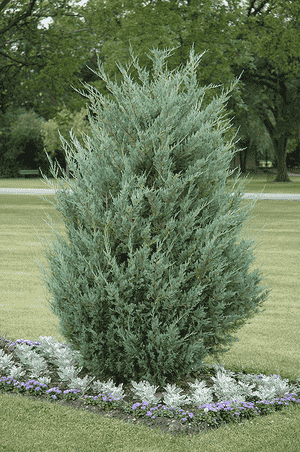

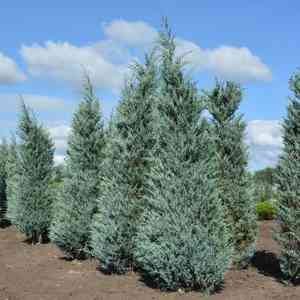
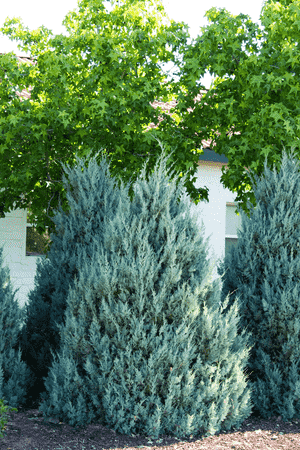
Quickly Identify Rocky mountain juniper
Scientific Classification of Rocky mountain juniper
Planting and Growing of Rocky mountain juniper
 How to Water Rocky mountain juniper?
 What Are the Sunlight Requirements for Rocky mountain juniper?
 What Is the Ideal Temperature Range for Rocky mountain juniper?
 What Soil is Best for Rocky mountain juniper?
 How to Fertilize Rocky mountain juniper?
 How to Prune Rocky mountain juniper?
 How to Propagate Rocky mountain juniper plant?
 How to Repot Rocky mountain juniper plant?
Toxicity of Rocky mountain juniper
Is Rocky mountain juniper toxic to cat?
The Rocky Mountain juniper is known to possess mild toxic properties for felines. If cats ingest the seeds of this plant in significant quantities, they may experience poisoning. After consuming the seeds, a cat could show signs of physical distress or display vague indications of illness that may not be readily observable. It is essential to seek veterinary care promptly to address any possible health issues stemming from the consumption of Rocky Mountain juniper. Cat owners must remain attentive in keeping their pets away from the seeds of this plant to safeguard their health and safety.
Is Rocky mountain juniper toxic to dog?
The Rocky Mountain juniper presents a low toxicity risk for dogs. Although the plant is not considered highly poisonous, consuming large quantities of its seeds can result in adverse effects. Dogs that ingest a considerable amount of these seeds may show signs of gastrointestinal distress or even more serious health complications. Dog owners should be attentive and keep their pets away from locations where Rocky Mountain juniper seeds can be found. If a dog is thought to have ingested these seeds, it is essential to obtain prompt veterinary assistance to ensure appropriate treatment and care for any possible poisoning.



