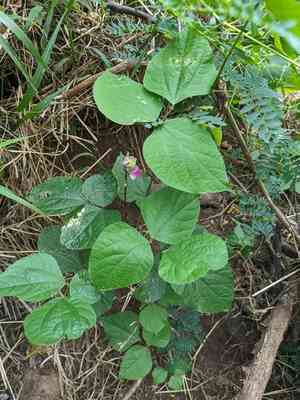
Hyacinth bean (Lablab purpureus)
Also known as: Lablab, Bonavist bean, Bataw, Banner bean, Seim bean, Papaya bean, Butter bean, Lubia bean
The hyacinth bean (*Lablab purpureus*) is a versatile legume that can grow either as an annual or a short-lived perennial during the summer. This herbaceous plant is known for its ability to twine, climb, trail, or grow upright. In the tropics, its young seeds, pods, and leaves are commonly consumed. However, the mature, dry beans must be properly cooked to eliminate potential toxicity.
Attributes of Hyacinth bean
Images of Hyacinth bean
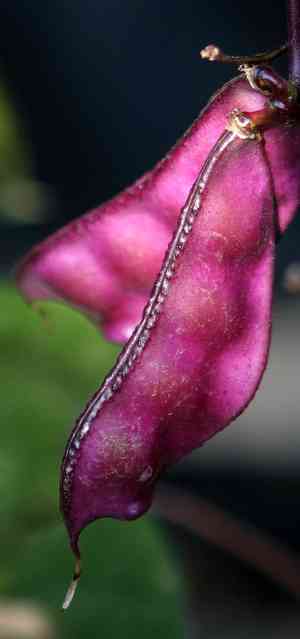
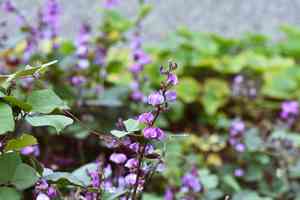
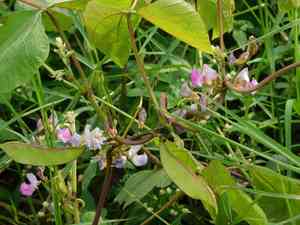
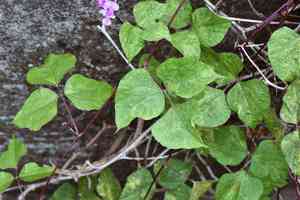
Quickly Identify Hyacinth bean
Scientific Classification of Hyacinth bean
Planting and Growing of Hyacinth bean
 How to Water Hyacinth bean?
 What Are the Sunlight Requirements for Hyacinth bean?
 What Is the Ideal Temperature Range for Hyacinth bean?
 What Soil is Best for Hyacinth bean?
 How to Fertilize Hyacinth bean?
 How to Prune Hyacinth bean?
 How to Propagate Hyacinth bean plant?
 How to Repot Hyacinth bean plant?
Toxicity of Hyacinth bean
Is Hyacinth bean toxic to humans?
The hyacinth bean contains toxic characteristics that can be detrimental to humans if consumed. Symptoms usually tend to be mild. The beans contain glucoside, which renders them poisonous to humans, particularly when ingested in significant quantities. Consuming the beans can lead to respiratory difficulties, vomiting, convulsions, and even seizures. These decorative plants are commonly used in gardens, which makes them easily accessible. Children are particularly at risk, as they may unknowingly eat the beans, unaware of their toxic properties.
Is Hyacinth bean toxic to cat?
The hyacinth bean presents a moderate level of toxicity to cats if consumed. The main way in which cats can become poisoned is by ingesting the toxic components, particularly the seeds of the hyacinth bean plant. Following ingestion, cats may display symptoms of physical distress or sickness, making it imperative to seek immediate care. Cat owners must remain alert and pursue prompt veterinary assistance if they suspect their pets have ingested hyacinth bean, as timely medical intervention can be vital for their recovery.
Is Hyacinth bean toxic to dog?
The hyacinth bean plant species presents a moderate risk of toxicity to dogs. If canines consume parts of the plant, they can become poisoned, especially from ingesting the seeds, which are highly toxic. Following ingestion, dogs may show symptoms such as vomiting, diarrhea, and lack of energy. Therefore, it is crucial for dog owners to remain alert and ensure that their pets do not have access to or consume any portions of the hyacinth bean, with a particular emphasis on the seeds. Should a dog ingest this plant, it is vital to seek prompt veterinary assistance to guarantee appropriate treatment and management of any possible poisoning.



