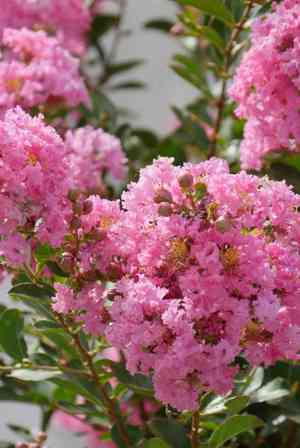
Crepe myrtle (Lagerstroemia indica)
Also known as: Indian crape myrtle
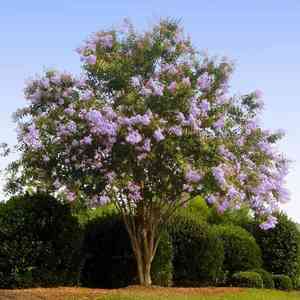
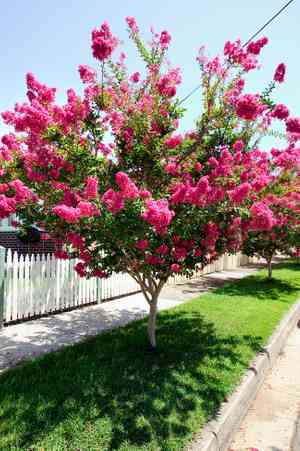
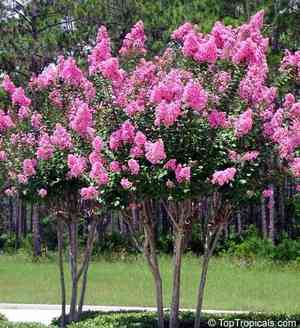
The Crepe Myrtle (*Lagerstroemia indica*) is a striking ornamental small tree or shrub, frequently with multiple stems. Originating from India, Southeastern Asia, and Japan, it is known for its distinctive vase-like crown and stunning pink flowers that can endure from early summer through to autumn. Additionally, it serves as a favored nesting spot for small birds.
In This Article
Attributes of Crepe myrtle
Lifespan
Perennial
Plant Type
Shrub
Plant Height
6 m to 7 m
Spread
1.8 m to 8 m
Leaf Color
Green Yellow Orange Bronze
Flower Size
3 cm to 4 cm
Flower Color
White Pink Red Purple Lavender Burgundy
Images of Crepe myrtle
Quickly Identify Crepe myrtle
1
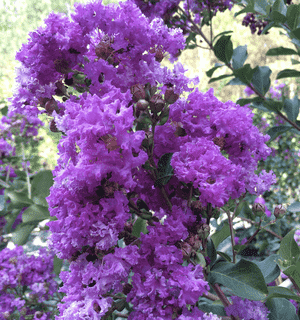
Flowers have 6 clawed, cristate petals resembling crepe paper.
2
Fruit is a 6-valved dehiscent capsule, brown, with disc-shaped seeds.
3
Leaves turn dark green, oblong to obovate, with red tinges.
4
Stems are slender, almost squarish, with prominent wings along length.
5
Trunk bark exfoliates in thin sheets, revealing colors from brown to gray.
Scientific Classification of Crepe myrtle
Phylum
Vascular plants
Class
Dicotyledons
Order
Myrtle order
Family
Loosestrife
Genus
Crape myrtles
Species
Crepe myrtle
Planting and Growing of Crepe myrtle
Care Difficulty
Easy
Watering Schedule
Every 4 days
Sunlight Requirements
Full sun
Sunshine Duration
6-10 hours
Ideal Temperature
68-77℉
Soil Type
Potting Mix, Peat Mix
Soil pH
5-7.5
Fertilizer Type
Balanced
Pruning Season
Spring, Summer
Pruning Area
Branches, Leaves
Pruning Frequency
2 times a year
Repotting Season
Spring
Pot Type
Plastic, Ceramic
 How to Water Crepe myrtle?
When watering Lagerstroemia indica, aim to provide around 500 milliliters each session. The key is to ensure that the soil is evenly moist but not soggy. Allow the top layer of soil to dry out slightly between waterings.
More About Watering Techniques→
What are the symptoms of an underwatered Crepe myrtle?
›
What should I do if my Crepe myrtle is not getting enough water?
›
What are the symptoms of an overwatered Crepe myrtle?
›
How to save an overwatered Crepe myrtle?
›
 What Are the Sunlight Requirements for Crepe myrtle?
Lagerstroemia indica benefits most from full sun to partial sun conditions. This range ensures the plant receives energy for photosynthesis, promoting healthy growth and vigorous flowering.
More About Sunlight Requirements Techniques→
What is the ideal amount of sunlight for Lagerstroemia indica?
›
How to ensure Lagerstroemia indica receives ideal sunlight?
›
What are the benefits of ideal sunlight for Lagerstroemia indica?
›
 What Is the Ideal Temperature Range for Crepe myrtle?
Lagerstroemia indica thrives in warm temperatures ranging from 68 to 77°F. This temperature range encourages optimal growth and flowering, as it mimics the plant's native subtropical climate. Maintaining these conditions ensures the plant remains healthy and vibrant.
 What Soil is Best for Crepe myrtle?
Lagerstroemia indica thrives in well-drained soil which prevents root rot. Well-draining soil ensures that the plant receives adequate moisture without becoming waterlogged, thus promoting healthy growth and vibrant blooms. This plant prefers moderately fertile soil containing some organic matter. This offers essential nutrients that support robust flowering and healthy leaf production, enhancing the plant’s ornamental appeal. While requiring well-drained soil, Lagerstroemia indica benefits from soil that retains some moisture. This balance ensures that the plant does not dry out too quickly, especially in hot climates, maintaining optimal hydration levels for full bloom.
More About Soil→
 How to Fertilize Crepe myrtle?
Crape myrtles (Lagerstroemia indica) thrive when provided with a balanced and appropriate amount of fertilizer. For young plants, apply about 1/2 pound (approximately 0.23 kg) of a complete fertilizer such as 10-10-10 around the base in the early spring. Mature trees typically require up to 1 pound (approximately 0.45 kg) per year, split across the growing season.
More About Fertilizing Techniques→
 How to Prune Crepe myrtle?
Begin by identifying and removing any dead, diseased, or crossing branches. This step is crucial to ensure airflow throughout the tree, reducing the risk of fungal diseases. Look closely for any branches that rub against each other and remove the less desirable branch to prevent future damage to the tree. Focus on shaping the tree's canopy by trimming to maintain a pleasing form. Keep in mind the natural shape of the Crape Myrtle and prune accordingly to encourage a symmetrical and balanced appearance. Avoid topping the tree, as this can lead to weak branch structure.
More About Pruning Techniques→
 How to Propagate Crepe myrtle plant?
1
Collect seeds from mature, dried crape myrtle seed pods in the late autumn. Make sure the seeds are fully ripened before harvesting them to ensure good germination rates.
2
Select healthy, semi-hardwood stems from the crape myrtle in the spring or early summer. Cut sections approximately 6 inches long, ensuring each has multiple nodes.
3
Insert the cuttings into a well-draining potting mix, burying at least two nodes. Water thoroughly and cover with a plastic bag to maintain humidity until roots develop.
 How to Repot Crepe myrtle plant?
1
Repot Lagerstroemia indica when you observe roots tightly bound or protruding from the drainage holes of the existing pot. This indicates restricted growth space, prompting the need for a larger pot to sustain healthy development and abundant blooms.
2
Choose a pot that is 1-2 inches larger in diameter than the current one, with ample drainage holes to prevent water logging. A terracotta or breathable pot material helps in balancing moisture and aeration, essential for the plant's root health.
3
Opt for well-draining loamy soil, enriched with organic matter to ensure nutrients supply. This soil type not only facilitates efficient root penetration and aeration but also retains sufficient moisture, aiding in robust plant growth.



