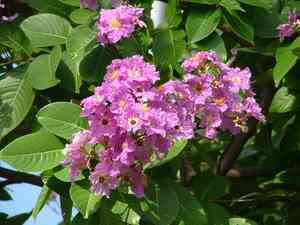
Pride of India (Lagerstroemia speciosa)
Also known as: Giant crape-myrtle, Giant crepe-myrtle
The *Lagerstroemia speciosa*, commonly called the Queen's crepe-myrtle, giant crepe-myrtle, or even the banana plant, is a tree native to tropical southern Asia. It typically reaches heights of up to 20 meters and is notable for its smooth, peeling bark.
In This Article
Attributes of Pride of India
Lifespan
Perennial
Plant Type
Tree
Plant Height
9 m to 18 m
Spread
9 m to 12 m
Leaf Color
Dark green
Flower Size
2.5 cm to 8 cm
Flower Color
Pink Purple Lavender
Images of Pride of India
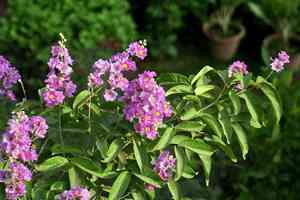
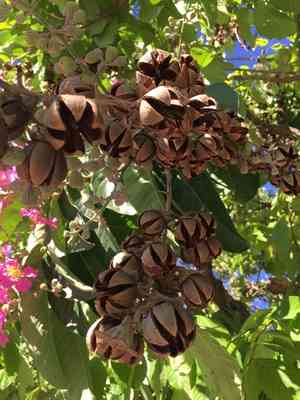
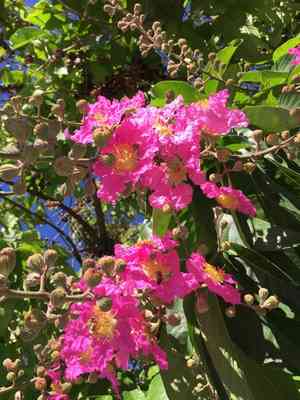
Quickly Identify Pride of India
1
Large trumpet-shaped flowers, 2 inches (5 cm) wide, in bright pink to light purple clusters.
2
Oval to elliptical, leathery leaves, 8-12 inches (20-30 cm) long.
3
Distinctively fluted trunk with creamy-brown to light grey peeling bark.
4
Fruit are woody capsules, 0.8 inches (2 cm) diameter, splitting radially into 6 segments.
5
Simple, opposite leaves, ovate to oblong, 3-8 inches (7.5-20 cm) long, color transitioning from red to green.
Scientific Classification of Pride of India
Phylum
Vascular plants
Class
Dicotyledons
Order
Myrtle order
Family
Loosestrife
Genus
Crape myrtles
Species
Pride of India
Planting and Growing of Pride of India
Care Difficulty
Easy
Watering Schedule
Every 4 days
Sunlight Requirements
Full sun
Sunshine Duration
4-8 hours
Ideal Temperature
68-86℉
Soil Type
Potting Mix, Peat Mix
Soil pH
6.5-7.5
Fertilizer Type
Balanced
Pruning Season
Spring, Summer
Pruning Area
Branches, Leaves
Pruning Frequency
2 times a year
Repotting Season
Spring
Pot Type
Plastic, Ceramic
 How to Water Pride of India?
For Lagerstroemia speciosa, water thoroughly until the top 2-3 inches of soil are moist, resembling the conditions after a drenching summer rain. Ensure water drains well to avoid waterlogging.
More About Watering Techniques→
What are the symptoms of an underwatered Pride of India?
›
What should I do if my Pride of India is not getting enough water?
›
What are the symptoms of an overwatered Pride of India?
›
How to save an overwatered Pride of India?
›
 What Are the Sunlight Requirements for Pride of India?
Partial to full sunlight is ideal for Lagerstroemia speciosa. This light range ensures vigorous growth, vibrant blooms, and optimal photosynthesis processes, supporting overall plant health and resilience.
More About Sunlight Requirements Techniques→
What's the best lighting condition?
›
How can I achieve ideal lighting?
›
What benefits does ideal lighting have?
›
 What Is the Ideal Temperature Range for Pride of India?
Lagerstroemia speciosa thrives best in environments where the temperature ranges from 68°F to 86°F. This range provides the optimal conditions for photosynthesis and growth, minimizing stress on the plant and encouraging vibrant blooms.
 What Soil is Best for Pride of India?
Lagerstroemia speciosa thrives in well-drained soil, ensuring that water does not remain stagnant. This condition prevents root rot and promotes healthy growth, as the roots receive adequate oxygen. This plant prefers soil with moderate fertility. Excess nutrients may lead to lush foliage but fewer flowers, while adequate nutrition supports both growth and blooming efficiency. The soil should retain some moisture without being waterlogged. This balance aids in sustaining the plant during dry spells and supports a robust growth cycle.
More About Soil→
 How to Fertilize Pride of India?
For Lagerstroemia speciosa, it's important to provide balanced nutrition. Use about 1 pound of 10-10-10 granular fertilizer per inch of trunk diameter annually. When using liquid fertilizer, mix it according to the package instructions for shrubs or flowering trees, usually around 1 tablespoon per gallon of water.
More About Fertilizing Techniques→
 How to Prune Pride of India?
Begin by identifying and removing any dead or diseased wood. Appear lighter and more brittle than healthy wood, dead branches can be eliminated to promote overall tree health. Next, identify branches that cross or rub against each other to avoid any wounds that may invite disease. Prune your Lagerstroemia speciosa to your desired shape, maintaining balance on all sides for a pleasing look. Focus on maintaining an open structure that allows for good air circulation which will reduce the risk of fungal infections during humid conditions. Encourage robust growth by cutting back overly long branches by about a third. This not only contributes to a denser plant but also stimulates healthy flower production. Regular monitoring and light trimming ensure the plant doesn't become overly leggy or sparse.
More About Pruning Techniques→
 How to Propagate Pride of India plant?
1
Start by soaking the seeds in water overnight to soften the seed coat. This encourages more efficient germination. After soaking, plant the seeds in a tray filled with a high-quality seed starting mix.
2
Select healthy, semi-hardwood stems from the parent plant. Cut segments of about 6-10 inches in length. Remove leaves from the lower half of the cutting to reduce water loss and dip the cut end in rooting hormone to promote root development.
3
When grafting, choose a hardy rootstock that can support the Lagerstroemia speciosa scion. Make a clean, slanting cut on both the scion and rootstock, ensuring they match in size. Bind them together using grafting tape for stability and to prevent moisture loss.
 How to Repot Pride of India plant?
1
Lagerstroemia speciosa should be repotted when you notice the roots circling the base or emerging from the pot's drainage holes, which typically indicates it’s becoming root-bound. Also, if the plant's growth slows considerably or the soil remains waterlogged longer than usual, it's time to repot.
2
Choose a pot that is approximately 2 inches larger in diameter than the current one. Ensure it has good drainage holes to prevent water stagnation. This helps accommodate growth while preventing root rot, ensuring the plant develops a robust root system.
3
Opt for a well-draining loamy soil mix that retains some moisture but still allows roots to breathe. Such soil promotes healthy root development, minimizes the risk of waterlogging, and supports the robust growth Lagerstroemia speciosa is known for.



