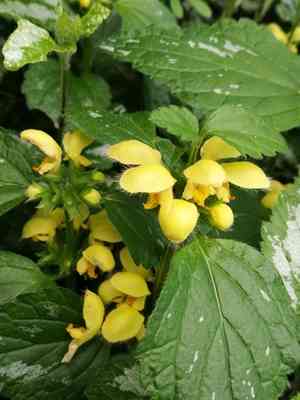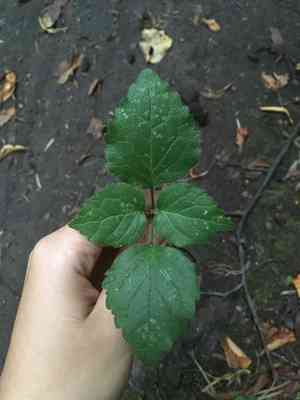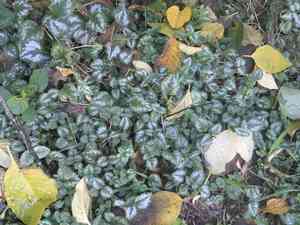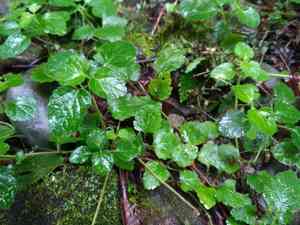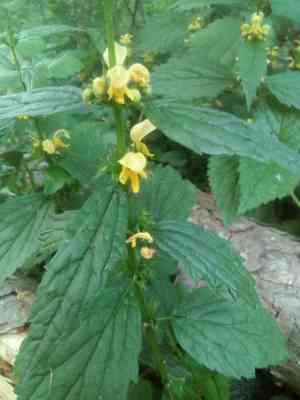
Yellow archangel(Lamium galeobdolon)

Yellow archangel (Lamium galeobdolon)

Also known as: Aluminium plant, Yellow weasel-snout

Yellow archangel (Lamium galeobdolon), originally from Europe, is labeled as an invasive species in some regions due to its rapid spread. In Washington state, it is banned for sale because it is classified as a noxious weed, posing a threat to native plant communities and local ecosystems.

Attributes of Yellow archangel

Lifespan
Perennial, Annual
Plant Type
Herb
Plant Height
40 cm to 80 cm
Spread
30 cm to 60 cm
Leaf Color
Green Variegated Silver
Flower Size
2.5 cm
Flower Color
Yellow

PlantJoy - Identify plants with a snap

Identify and diagnose plants, get toxicity alerts, and explore safety guides for all types of fungi.

Try for Free

Images of Yellow archangel

Yellow archangel(Lamium galeobdolon)

Quickly Identify Yellow archangel

1
Rapid-spreading ground cover reaching 2 feet (60 cm) in height and width.
2
Distinctive ovate silver leaves with green margins or uniformly green.
3
Yellow, hooded flowers with 3-lobed lower lip blooming in late spring.
4
Opposite, simple leaves with toothed edges, emitting a distinct aroma when crushed.
5
Stems are square in cross-section with white-pubescent texture, branching sparingly.

Scientific Classification of Yellow archangel

Phylum
Vascular plants
Class
Dicotyledons
Order
Lamiales
Family
Mint
Genus
Dead-nettles
Species
Yellow archangel

Planting and Growing of Yellow archangel

Care Difficulty
Easy
Watering Schedule
Every 2 days
Sunlight Requirements
Partial sun
Sunshine Duration
4-8 hours
Ideal Temperature
60-75℉
Soil Type
Potting Mix, Peat Mix
Soil pH
6.5-7.5
Fertilizer Type
Balanced
Pruning Season
Spring, Summer
Pruning Area
Branches, Leaves
Pruning Frequency
Once a year
Repotting Season
Spring
Pot Type
Plastic, Ceramic

water icon How to Water Yellow archangel?

Lamium galeobdolon should be watered moderately, aiming for approximately 250 ml per session. It's crucial to ensure the soil remains consistently moist but not waterlogged, mimicking the plant's natural woodland environment.
What are the symptoms of an underwatered Yellow archangel?
What should I do if my Yellow archangel is not getting enough water?
What are the symptoms of an overwatered Yellow archangel?
How to save an overwatered Yellow archangel?

sunlight icon What Are the Sunlight Requirements for Yellow archangel?

Sunlight Requirements: Partial sun, Full shade
Duration of light: 1 to 5 hours
Lamium galeobdolon ideally thrives with partial sun and full shade. Ideal lighting helps maintain healthy foliage and consistent growth, ensuring the plant remains vibrant and structurally sound.
Question about Light Duration
Solution to Achieve Ideal Light
Effects of Ideal Lighting

temperature icon What Is the Ideal Temperature Range for Yellow archangel?

Ideal Temperature: 60 ~ 75℉
For Lamium galeobdolon, the ideal temperature range is between 60°F and 75°F. This range allows for optimal growth and healthy foliage development. At these temperatures, the plant can efficiently carry out photosynthesis and other metabolic processes, ensuring robust growth.

soil icon What Soil is Best for Yellow archangel?

Soil type: Loam, Sandy loam, Clay soil
Soil PH: 6.5 ~ 7.5
Lamium galeobdolon thrives in well-draining soil to prevent root rot. This type of soil ensures roots get the perfect balance of moisture and air, promoting robust growth of this ground cover. This plant prefers soils of moderate fertility. Ample nutrients support healthy leaf and root development without causing excessive growth, which may lead to weak stems. Lamium galeobdolon benefits from soil that retains moisture. It prevents drought stress and keeps the vibrant foliage lush, especially during warm weather.

fertilize icon How to Fertilize Yellow archangel?

Fertilizer type: Balanced
For Lamium galeobdolon, apply a balanced 10-10-10 liquid fertilizer at half strength. Use approximately 1 tablespoon per gallon of water for adults or 1 teaspoon for young plants.

prune icon How to Prune Yellow archangel?

Pruning Time: Spring, Summer, Autumn
Begin by identifying any dead or damaged stems, which should be the first to be removed. Use clean, sharp pruning shears and cut the stem back to its base or to the nearest healthy growth. Trim back leggy or overgrown stems to encourage bushier growth. Make cuts just above leaf nodes to stimulate new shoots. For shaping, focus on creating a balance between the plant's height and spread, maintaining an appealing dome shape. Cutting back stems by a third can help keep the plant compact and prevent it from overtaking other plants. Regularly monitor for any signs of pest or disease damage and prune these sections promptly.

propagate icon How to Propagate Yellow archangel plant?

Propagate Time: Spring, Late spring, Early spring, Autumn, Late autumn, Early autumn
1
Select healthy Lamium galeobdolon stems and cut 4 to 6 inches long segments. Remove the lower leaves, leaving at least two top leaves, and dip the cut end in rooting hormone before planting in moistened soil.
2
Collect seeds after the flowers have faded. Sow them on the soil surface, barely covering them with a thin layer of soil. Keep the soil consistently moist and ensure it receives indirect sunlight.
3
Choose mature plants in early spring or autumn. Dig up the plant, carefully separate the roots into smaller clumps, and replant each division at the same depth in well-prepared soil.

repot icon How to Repot Yellow archangel plant?

Repotting frequency: Every 2-3 years
1
Lamium galeobdolon should be repotted when you notice roots growing out of the pot's drainage holes or the plant's growth has noticeably slowed. Spring is usually the best time for repotting since the plant is coming out of dormancy and will actively grow, benefiting from fresh soil and space.
2
Choose a pot that is only slightly larger than the current one. A too-large pot can retain excess moisture, leading to root rot. Ensure it has adequate drainage holes to allow excess water to escape, providing a healthier environment for the roots.
3
Opt for a well-draining potting mix, possibly adding some sand or perlite to enhance drainage. This type of soil prevents water from sitting around the roots and reduces the risk of root rot, allowing the plant to thrive and stay healthy.

PlantJoy - Identify plants with a snap

Find the best spots for them to optimize their health, simply using your phone.

Try for Free

Toxicity of Yellow archangel

Is Yellow archangel toxic to cat?

The yellow archangel plant has been recognized to exhibit mild toxicity in cats. Poisoning primarily arises when a cat ingests significant amounts of any portion of the plant. Such consumption can result in various physical distress symptoms, which necessitates diligent observation of pets that have access to yellow archangel. In instances of suspected poisoning, it is crucial to respond promptly and obtain treatment at a veterinary clinic to safeguard the well-being of the affected cat.

Is Yellow archangel toxic to dog?

The yellow archangel presents a mild toxicity risk to dogs. If ingested in significant quantities, dogs may experience poisoning from this plant. All parts of the yellow archangel are deemed toxic and have the potential to lead to harmful reactions in canines. Should ingestion occur, it is important for pet owners to monitor for symptoms such as gastrointestinal distress or skin irritation. Dog owners must take precautions to keep their pets away from areas where yellow archangel thrives and ensure that any removed plant material is disposed of safely and out of their pets’ reach. In cases where a dog consumes yellow archangel, it is imperative to seek immediate veterinary assistance to effectively manage any arising symptoms.

Identify toxic plants for your safety

Learn which plants are harmful to you and your pets, and make informed choices for a safer home!

Try for Free
WARNING
The judgment on toxicity and danger is for reference only. We DO NOT GUARANTEE any accuracy of such judgment. Therefore, you SHALL NOT rely on such judgment. It is IMPORTANT TO SEEK PROFESSIONAL ADVICE in advance when necessary.