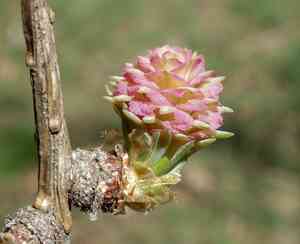
European larch (Larix decidua)
Also known as: White larch
The European Larch (*Larix decidua*) is a conifer native to the mountainous areas of Central Europe. Its widespread planting began in the 17th century, often encouraged by nobility. Aside from its ornamental use in gardens, its wood is highly valued for commercial purposes, particularly in yacht construction due to its durability and water resistance.
In This Article
Attributes of European larch
Lifespan
Perennial
Plant Type
Tree
Plant Height
25 m to 45 m
Spread
18 m to 24 m
Leaf Color
Green Yellow
Flower Size
3.5 mm to 5 mm
Flower Color
Pink Yellow Red
Images of European larch
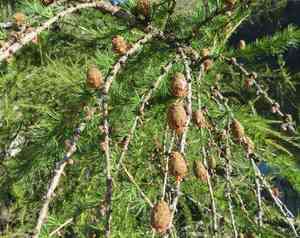
Quickly Identify European larch
1
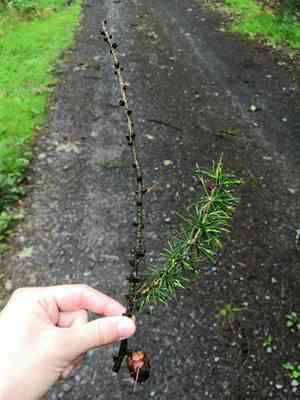
Needle-like, bright green leaves in clusters of 20 to 40, 1-1.5 inches (2.5-3.8 cm) long.
2
Distinctive bark transitions from smooth and grayish to rugged, furrowed, and flaky.
3
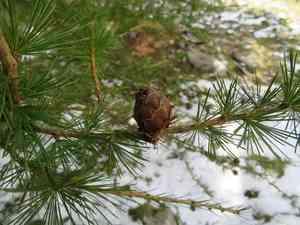
Conspicuous conifer cones, reddish-brown, with ovate to conical shape, about 1.5 inches (3.8 cm).
4
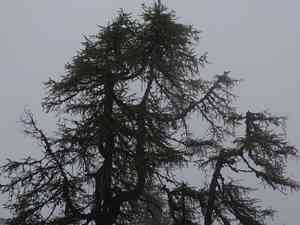
Graceful, pyramidal to irregular silhouette, with drooping, horizontal branches and robust, grooved trunk.
5
Yellow-amber color change of leaves in autumn, adding a striking seasonal feature.
Scientific Classification of European larch
Phylum
Vascular plants
Class
Conifers
Order
Pinales
Family
Pine
Genus
Larches
Species
European larch
Planting and Growing of European larch
Care Difficulty
Hard
Watering Schedule
Every 2 days
Sunlight Requirements
Full sun
Sunshine Duration
4-8 hours
Ideal Temperature
35-60℉
Soil Type
Potting Mix, Peat Mix
Soil pH
6-7.5
Fertilizer Type
Balanced
Pruning Season
Spring, Summer
Pruning Area
Branches, Leaves
Pruning Frequency
2 times a year
Repotting Season
Spring
Pot Type
Plastic, Ceramic
 How to Water European larch?
When watering Larix decidua, aim for a thorough soaking each time. This means ensuring the water penetrates through the soil down to the root level. This tree naturally prefers environments with regular moisture, yet it hates standing water. Therefore, the key is to keep the soil consistently moist without waterlogging it. About 1000ml per watering should do the trick, depending on the tree's size and soil drainage capacity.
What are the symptoms of an underwatered European larch?
›
What should I do if my European larch is not getting enough water?
›
What are the symptoms of an overwatered European larch?
›
How to save an overwatered European larch?
›
 What Are the Sunlight Requirements for European larch?
The ideal light range for Larix decidua is full sun. Ideal lighting ensures vigorous growth and keeps the needles lush and green while strengthening the tree's natural resilience.
More About Sunlight Requirements Techniques→
What is the ideal sunlight exposure for Larix decidua?
›
How can I ensure Larix decidua receives optimal light?
›
What are the benefits of Larix decidua receiving ideal light?
›
 What Is the Ideal Temperature Range for European larch?
Larix decidua thrives best within a temperature range of 35°F to 60°F. This range ensures adequate metabolic and physiological processes for growth, minimizing stress-related issues. Maintaining this temperature is critical for optimal photosynthesis and nutrient absorption.
 What Soil is Best for European larch?
Larix decidua thrives in well-draining soil, preventing waterlogging and root rot. This also helps in maintaining optimal moisture levels, encouraging robust root development and overall plant health. A soil rich in nutrients supports the rapid growth of European larch, ensuring a strong structure and vibrant foliage. Supplementing with organic matter enhances the soil's fertility. Preferring slightly acidic to neutral soils with a pH range of 6.0 to 7.5, Larix decidua is well-suited to soils that allow for effective nutrient uptake and growth stability.
 How to Fertilize European larch?
For European larch (Larix decidua), using a balanced fertilizer with equal parts nitrogen, phosphorus, and potassium is essential. Typically, an application rate of 100-150 grams per square meter is recommended for young trees, ensuring adequate growth without over-fertilization.
 How to Prune European larch?
Start by cleaning your tools to prevent any introduction of disease to the plant. Ensure you have sharp and suitable equipment, such as pruning shears for smaller branches and handsaws for larger ones. Safety gear, like gloves and protective eyewear, is also recommended. Focus on dead, diseased, or crossing branches. These should be pruned to allow better air circulation and light penetration, which can prevent fungal infections and other diseases common in compact growth areas. Make clean cuts at a 45-degree angle to allow moisture to run off, which helps prevent rot. Prune close to the branch collar (the swollen area where the branch meets the trunk) without cutting into it, as this can harm the tree.
More About Pruning Techniques→
 How to Propagate European larch plant?
1
To prepare Larix decidua seeds for sowing, they should first be stratified. This involves storing the seeds in a moist, cold environment for one to two months to break dormancy. This process mimics winter conditions, making germination more successful once seeds are sown in spring.
2
Select healthy, young branches during the early spring for cuttings. Use sterile pruning shears to take 4 to 6-inch cuttings. Remove the lower leaves to expose nodes, which will produce roots. Dip the cut end in rooting hormone to promote faster root development.
3
Grafting Larix decidua involves attaching a piece of a stem (scion) from the desired plant to a rootstock. This is generally done in early spring when the plant is coming out of dormancy. The graft should be secured by wrapping and carefully monitored until the union is stable.
 How to Repot European larch plant?
1
Larix decidua shows signs it needs repotting when its roots start circling the pot, emerging through drainage holes, or if growth seems stunted. Another signal is when the soil can no longer retain moisture effectively, causing the plant to dry out rapidly.
2
Select a pot one or two sizes larger than the current one, ensuring it has adequate drainage holes. Using a slightly larger pot prevents water stagnation that can lead to root rot, while providing enough space for the roots to expand comfortably.
3
Opt for a soil mix that is rich in organic matter with excellent drainage capabilities. A loam-based soil mixed with perlite or pumice allows sufficient aeration, promoting healthy root growth and preventing waterlogging.



