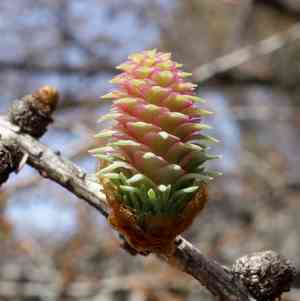
Japanese larch (Larix kaempferi)
Also known as: Japanese larch, Karamatsu
The Japanese Black Pine (Pinus thunbergii) is a striking conifer frequently seen in bonsai art and is available in several dwarf cultivars ideal for smaller gardens. Its robust and durable wood is commonly utilized in construction and fencing. The species is highly valued for both its ornamental appeal and practical applications.
In This Article
Attributes of Japanese larch
Lifespan
Perennial
Plant Type
Tree
Plant Height
15 m to 21 m
Spread
8 m to 12 m
Leaf Color
Green Yellow Gold Orange
Flower Size
N/A
Flower Color
Yellow Pink Purple Red Brown Orange
Images of Japanese larch
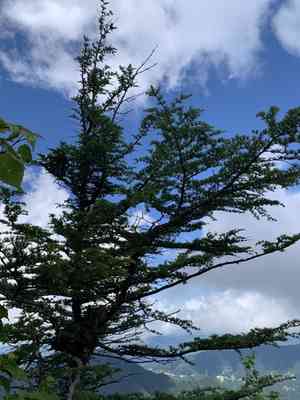
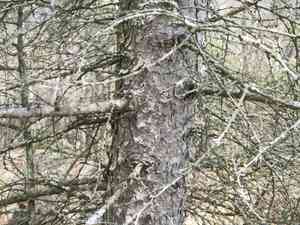
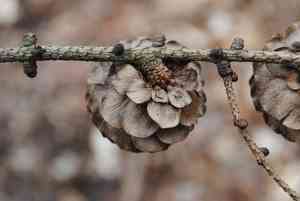
Quickly Identify Japanese larch
1
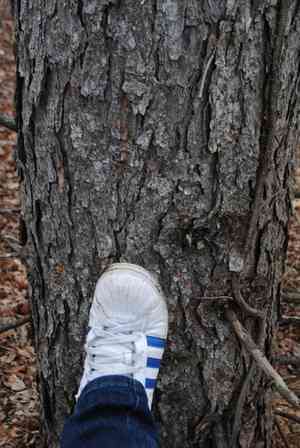
Bark peels in long strips, showcasing fresh layers; color changes from grayish-brown to reddish-brown.
2
Leaves with 2 white stripes, transitioning from sea green to yellow to orange-red seasonally.
3
Fruit in erect cones, starting green and maturing to a vivid golden brown.
4
Preferentially thrives in brightly lit areas, requires full sun and ample moisture.
5
Trunk transitions in color from grayish-brown to russet, developing a distinctive shaggy and textured appearance.
Scientific Classification of Japanese larch
Phylum
Vascular plants
Class
Conifers
Order
Pinales
Family
Pine
Genus
Larches
Species
Japanese larch
Planting and Growing of Japanese larch
Care Difficulty
Moderate
Watering Schedule
Every 3 days
Sunlight Requirements
Full sun
Sunshine Duration
6-10 hours
Ideal Temperature
50-68℉
Soil Type
Potting Mix, Peat Mix
Soil pH
5-6
Fertilizer Type
Balanced
Pruning Season
Spring, Summer
Pruning Area
Branches, Leaves
Pruning Frequency
2 times a year
Repotting Season
Spring
Pot Type
Plastic, Ceramic
 How to Water Japanese larch?
When watering Larix kaempferi, aim for a thorough soaking of the root zone. It's essential that the soil feels consistently moist but not waterlogged to support the plant's growth.
What are the symptoms of an underwatered Japanese larch?
›
What should I do if my Japanese larch is not getting enough water?
›
What are the symptoms of an overwatered Japanese larch?
›
How to save an overwatered Japanese larch?
›
 What Are the Sunlight Requirements for Japanese larch?
Larix kaempferi thrives best with full to partial sunlight. Adequate sunlight enhances its growth rates, stimulates photosynthesis, and ensures vigorous and lush foliage.
More About Sunlight Requirements Techniques→
What are the ideal lighting conditions for Larix kaempferi?
›
How can you ensure Larix kaempferi receives optimal sunlight?
›
What benefits does Larix kaempferi gain from receiving optimal sunlight?
›
 What Is the Ideal Temperature Range for Japanese larch?
The ideal temperature range for the growth of Larix kaempferi is between 50°F and 68°F. This range is optimal for metabolic activities and enables the plant to photosynthesize efficiently. Maintaining this temperature ensures the tree's health and longevity.
 What Soil is Best for Japanese larch?
Larix kaempferi thrives best in loamy soils, which provide the ideal balance of drainage and nutrient retention. This soil type ensures the roots get sufficient aeration and moisture without becoming waterlogged. This species performs optimally in slightly acidic soils with a pH range of 5.0 to 6.0, as it mirrors its native habitat conditions and promotes efficient nutrient uptake and growth. The soil should maintain a good level of moisture without being overly saturated. This balance prevents root rot and allows the tree to access water consistently during dry spells.
 How to Fertilize Japanese larch?
For Larix kaempferi, apply a balanced liquid fertilizer diluted to half-strength, about 100 ml per application for young trees, and around 300 ml for mature trees. Ensure not to over-fertilize as it can harm the root system.
 How to Prune Japanese larch?
Begin by carefully inspecting your Japanese Larch for any dead, broken, or diseased branches. These should be removed first to maintain the health of the tree. Next, focus on shaping the crown of the tree. Larix kaempferi can become quite dense, so thinning out some of the inner branches will improve air circulation and sunlight penetration. Crossing branches can rub against each other, causing damage and potential entry points for pests and diseases. Remove any branches that intersect to encourage a more open growth habit.
More About Pruning Techniques→
 How to Propagate Japanese larch plant?
1
Collect seeds from mature cones in late autumn or early winter. Allow the cones to dry and extract the seeds, ensuring they are viable for germination.
2
Stratify the seeds by placing them in a moist medium and storing them in a refrigerator for several weeks. This mimics winter conditions necessary for germination.
3
Select healthy stems of about 6-8 inches and cut below a node. Remove lower leaves and dip the end in rooting hormone before placing it in a rooting medium such as perlite or vermiculite.
 How to Repot Japanese larch plant?
1
Repot your Japanese Larch when you notice the roots outgrowing their current pot, typically every 2 to 3 years. Early signs include visibly crowded roots through drainage holes or stunted growth. Opt for repotting during early spring or summer for optimal recovery, allowing the tree to swiftly establish itself in its new home.
2
Select a pot that is only slightly larger than the previous one to avoid excessive water retention. The ideal pot should have ample drainage holes to prevent waterlogging, which can be detrimental to the roots. A wider, shallower pot works well to support the tree's natural growth pattern and help it stay balanced.
3
Choose well-draining, loamy soil with slight acidity for repotting. This kind of soil helps retain moisture adequately while ensuring excess water is easily expelled, preventing root rot. The balanced nutrient content of loamy soil supports the tree’s growth and vigor throughout its lifecycle.



