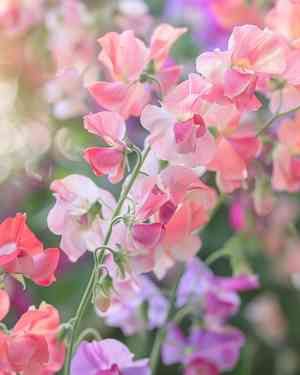
Sweet pea(Lathyrus odoratus)

Sweet pea (Lathyrus odoratus)

Also known as: Common sweet pea

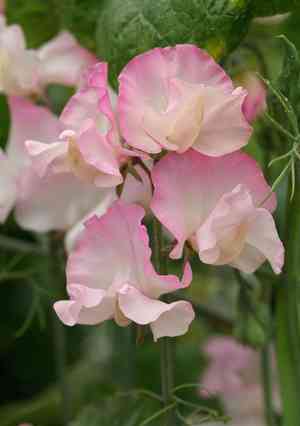
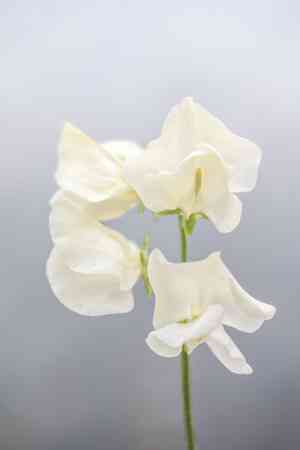
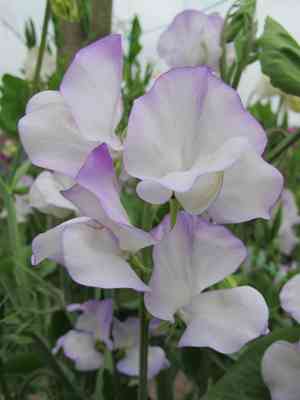
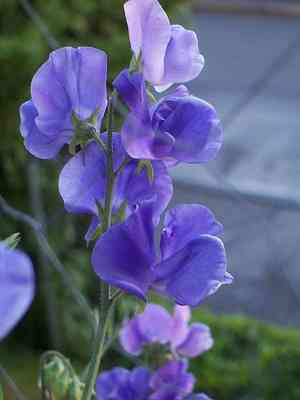
The sweet pea (Lathyrus odoratus) has been a cherished flowering climber since the Victorian era. With the aid of tendrils, it can reach heights of 1.02 to 2 meters if proper supports are provided. While wild sweet peas feature highly fragrant purple flowers, cultivated varieties come in a wide array of colors.

Attributes of Sweet pea

Lifespan
Annual, Perennial, Biennial
Plant Type
Vine, Herb
Plant Height
50 cm to 2 m
Spread
60 cm to 90 cm
Leaf Color
Green
Flower Size
2 cm to 3.5 cm
Flower Color
Red Purple White Pink Blue Orange Yellow Violet

PlantJoy - Identify plants with a snap

Identify and diagnose plants, get toxicity alerts, and explore safety guides for all types of fungi.

Try for Free

Images of Sweet pea

Sweet pea(Lathyrus odoratus)

Quickly Identify Sweet pea

1
Showy, fragrant flowers in various colors, never yellow
2
Pinnate leaves with narrow, ovate to lanceolate leaflets
3
Winged, herbaceous stems with twining growth habit
4
Elongated clusters of pea-like flowers, 1-2 inches in diameter
5
Terminal tendrils aiding in climbing, prominent and parallel leaf veins

Scientific Classification of Sweet pea

Phylum
Vascular plants
Class
Dicotyledons
Order
Legumes, milkworts and allies
Family
Legume
Genus
Peavines
Species
Sweet pea

Planting and Growing of Sweet pea

Care Difficulty
Easy
Watering Schedule
Every 8 days
Sunlight Requirements
Full sun
Sunshine Duration
6-10 hours
Ideal Temperature
60-70℉
Soil Type
Potting Mix, Peat Mix
Soil pH
6.5-7.5
Fertilizer Type
Balanced
Pruning Season
Spring, Summer
Pruning Area
Branches, Leaves
Pruning Frequency
2 times a year
Repotting Season
Spring
Pot Type
Plastic, Ceramic

water icon How to Water Sweet pea?

For Lathyrus odoratus, target around 200 milliliters of water per session. Ensure the soil remains moist but not waterlogged; water until it begins to seep out of the drainage holes to maintain optimal hydration without risking root rot.
What are the symptoms of an underwatered Sweet pea?
What should I do if my Sweet pea is not getting enough water?
What are the symptoms of an overwatered Sweet pea?
How to save an overwatered Sweet pea?
More About Watering Techniques

sunlight icon What Are the Sunlight Requirements for Sweet pea?

Sunlight Requirements: Full sun, Partial sun
Duration of light: 6 to 8 hours
Lathyrus odoratus prefers full sun or partial sun, ideal for their growth and blooming potential. Such light conditions enable robust photosynthesis, promoting vigorous growth, abundant flowering, and a strong fragrance, while minimizing disease risks.
How much light does Lathyrus odoratus need?
How to ensure ideal light conditions?
What are the benefits of optimal lighting?
More About Sunlight Requirements Techniques

temperature icon What Is the Ideal Temperature Range for Sweet pea?

Ideal Temperature: 60 ~ 70℉
The optimal temperature range for growing Lathyrus odoratus, also known as sweet peas, is between 60°F and 70°F. These temperatures provide the perfect environment for their growth and flowering, ensuring that the plants remain healthy and vibrant. Sweet peas thrive in these mild, consistent conditions, allowing for robust development of roots, foliage, and blossoms.

soil icon What Soil is Best for Sweet pea?

Soil type: Loam, Sandy loam
Soil PH: 6.5 ~ 7.5
Sweet peas thrive in nutrient-rich soil that provides essential minerals and nutrients for optimal growth. Fertile soil enhances flowering and ensures vigorous development, making it a crucial requirement for these plants. Soil that drains well prevents waterlogging, which is detrimental to sweet peas. Proper drainage allows roots to breathe and access necessary oxygen, fostering healthy growth and preventing root rot. While good drainage is essential, the soil must also retain enough moisture. Soil that holds moderate moisture supports sustained growth and flowering, especially in periods of dry weather. More About Soil

fertilize icon How to Fertilize Sweet pea?

Fertilizer type: Balanced
For Lathyrus odoratus, apply liquid fertilizer at a concentration of half the recommended strength to avoid over-fertilization. In the growing season, use approximately 1 teaspoon per gallon of water. This ensures the plant has a steady supply of nutrients without overwhelming its gentle root system. More About Fertilizing Techniques

prune icon How to Prune Sweet pea?

Pruning Time: Spring, Summer
Identify the main stems of the Lathyrus odoratus and cut back any smaller, weaker stems. Doing so channels energy to stronger parts of the plant, promoting a more robust bloom. Always use clean, sharp scissors to avoid infections. Remove faded or dead flowers promptly to prolong the blooming period. This process, known as deadheading, encourages the plant to continue flowering rather than focusing on seed production, leading to a more vibrant display. As summer ends, cut back the plants to tidy them up and prepare them for dormancy. This involves trimming stems back to a few inches above the ground, which helps in managing plant health during the off-season. More About Pruning Techniques

propagate icon How to Propagate Sweet pea plant?

Propagate Time: Early spring,Late winter
1
Soak the seeds in warm water overnight to soften the hard seed coat, which facilitates quicker germination for Lathyrus odoratus.
2
Sow the soaked seeds into trays filled with potting mix about half an inch deep. Make sure to space them adequately to avoid crowding as they sprout.
3
Gently water the seeds without washing them away, and cover them with a clear plastic lid to maintain humidity until they germinate.
More About Propagating Techniques

repot icon How to Repot Sweet pea plant?

Repotting frequency: Every other year
1
Repot Lathyrus odoratus when you notice roots growing out of the drainage holes or if the plant's growth has become stunted. Another cue is if watering seems less effective, indicating the soil is compacted or root-bound.
2
Select a pot with ample drainage. It should be slightly larger than the current one. The material can be clay or plastic but ensure it has holes at the bottom. A bigger pot allows room for root growth, promoting healthier and more vigorous sweet peas.
3
Opt for a soil mix rich in organic matter and well-draining properties. A mix with compost and peat moss works wonders, providing essential nutrients while preventing water stagnation, thus mimicking the plant's natural environment.

PlantJoy - Identify plants with a snap

Find the best spots for them to optimize their health, simply using your phone.

Try for Free

Toxicity of Sweet pea

Is Sweet pea toxic to humans?

When consumed in significant quantities over an extended period, sweet pea can induce toxic effects. These reactions may vary in intensity from moderate to severe, often necessitating prompt medical intervention. The plant's seeds are the primary source of toxicity, as they harbor harmful lathyrogens. Ingestion of these lathyrogens can lead to symptoms including respiratory difficulties, convulsions, decreased heart rate, and possibly paralysis. It is crucial to keep this plant separate from any similar-looking varieties in your vegetable garden, and to ensure that children are kept away from the seeds of these decorative plants used in homes or gardens.

Is Sweet pea toxic to cat?

Sweet pea carries a moderate toxicity risk for cats. If felines consume the seeds of the sweet pea plant, which are the harmful sections, they may face poisoning risks. After ingestion of the seeds, cats could display various signs of physical discomfort or distress. It is crucial to take any cat displaying negative reactions after exposure to sweet pea to a veterinary facility without delay. Vigilant oversight can help avert ingestion, thereby protecting the cat's wellbeing from the possible hazards associated with sweet pea.

Is Sweet pea toxic to dog?

Sweet pea presents a moderate risk of toxicity to dogs. Poisoning generally occurs when a dog consumes parts of the plant, with the seeds being especially harmful. Following ingestion, a dog may display a range of symptoms that signal poisoning. These may encompass, but are not confined to, vomiting, diarrhea, abdominal discomfort, and lethargy. Dog owners must remain alert and safeguard their pets from areas where sweet pea grows. If a dog ingests any portion of the sweet pea plant, particularly the seeds, it is essential to seek urgent veterinary assistance to guarantee prompt and suitable treatment.

Identify toxic plants for your safety

Learn which plants are harmful to you and your pets, and make informed choices for a safer home!

Try for Free
WARNING
The judgment on toxicity and danger is for reference only. We DO NOT GUARANTEE any accuracy of such judgment. Therefore, you SHALL NOT rely on such judgment. It is IMPORTANT TO SEEK PROFESSIONAL ADVICE in advance when necessary.
More About Toxic Techniques