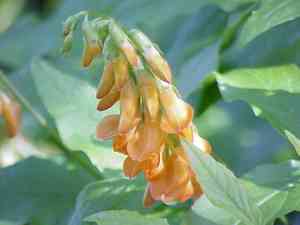
Peavines (Lathyrus) (Lathyrus)
Also known as: Sweet Pea, Everlasting Pea
Peavines, known for their beautiful flowers, originally hail from the Mediterranean region. Home gardeners have since introduced these plants worldwide. In North America, they have been cultivated as ornamentals since the 1700s.
In This Article
Attributes of Peavines (Lathyrus)
Lifespan
Annual, Perennial
Plant Height
30-200 cm
Spread
Varies, typically extensive vines
Leaf Color
Green
Flower Size
3-5 cm
Flower Color
Varies, common colors are pink, white, purple, and red
Images of Peavines (Lathyrus)
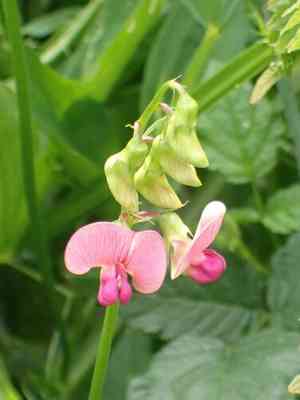
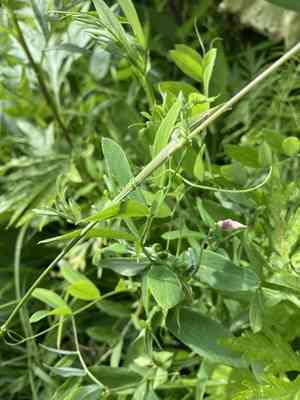
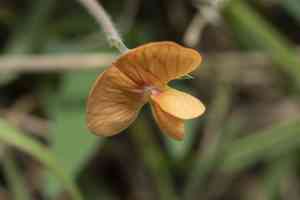
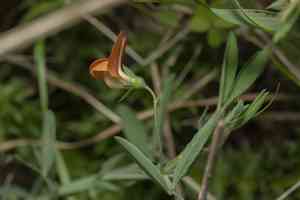
Quickly Identify Peavines (Lathyrus)
1
Look for climbing or sprawling vines with compound leaves and tendrils. Flowers are often brightly colored, with a butterfly shape, and are aromatic.
Scientific Classification of Peavines (Lathyrus)
Phylum
Magnoliophyta
Class
Magnoliopsida
Order
Fabales
Family
Fabaceae
Genus
Lathyrus
Planting and Growing of Peavines (Lathyrus)
Care Difficulty
Moderate
Watering Schedule
Every 4 days
Sunlight Requirements
Full sun
Sunshine Duration
4-8 hours
Ideal Temperature
60-70℉
Soil Type
Potting Mix, Peat Mix
Soil pH
6-7.5
Fertilizer Type
Balanced
Pruning Season
Spring, Summer
Pruning Area
Branches, Leaves
Pruning Frequency
2 times a year
Repotting Season
Spring
Pot Type
Plastic, Terracotta
 How to Water Peavines (Lathyrus)?
When watering Lathyrus, ensure the water percolates through the soil without water logging. A volume of 250 milliliters is typically sufficient, allowing the soil to be damp but not soggy. It's essential to keep a balance, maintaining moisture without drowning the roots.
What are the symptoms of an underwatered Peavines (Lathyrus)?
›
What should I do if my Peavines (Lathyrus) is not getting enough water?
›
What are the symptoms of an overwatered Peavines (Lathyrus)?
›
How to save an overwatered Peavines (Lathyrus)?
›
 What Are the Sunlight Requirements for Peavines (Lathyrus)?
Lathyrus prefers a light range from full sun to partial sun, benefiting from 4 to 6 hours of sunlight. Ideal lighting ensures robust growth, vibrant flowers, and strengthens its defense mechanisms against environmental stresses.
What are the ideal light conditions for Lathyrus?
›
How can we achieve these ideal lighting conditions?
›
What benefits does Lathyrus receive from ideal light?
›
 What Is the Ideal Temperature Range for Peavines (Lathyrus)?
For the optimal growth of Lathyrus plants, maintaining a stable temperature between 60°F and 70°F is crucial. These temperatures support healthy photosynthesis, flowering, and overall plant vigor, ensuring the plant thrives and blossoms with rich colors and robust stems.
 What Soil is Best for Peavines (Lathyrus)?
Lathyrus requires well-draining soil to prevent root rot. Good drainage ensures that excess water does not accumulate around the roots, promoting healthy root development and a robust growing environment. A soil rich in organic matter provides essential nutrients necessary for the growth of Lathyrus. Ensuring the presence of organic compost or well-rotted manure enhances soil fertility and supports vigorous plant growth. Maintaining a soil pH within the range of 6.0 to 7.5 is crucial for Lathyrus. This pH range optimizes nutrient availability, ensuring the plant can absorb the necessary nutrients effectively.
 How to Fertilize Peavines (Lathyrus)?
Lathyrus, commonly known as sweet peas, requires careful attention to fertilization. It's best to use a balanced fertilizer with equal parts of nitrogen, phosphorus, and potassium (10-10-10 NPK). Apply it at a rate of approximately 1 tablespoon per gallon of water for liquid fertilizers. Avoid over-fertilizing, as too much nitrogen can encourage leaf growth at the expense of flowers.
 How to Prune Peavines (Lathyrus)?
Begin by pinching back the tops of your Lathyrus plants once they reach about 15 centimeters high. Use your fingers or a gentle pair of scissors to remove the top two centimeters of the shoots. This will encourage the plant to branch out, leading to a fuller growth habit and more blossoms. Regularly deadhead spent flowers to promote continued blooming. Use scissors to cut just below the faded blooms, above a pair of healthy leaves. This not only improves the plant’s appearance but also diverts energy back into creating new flowers rather than seed production.
 How to Propagate Peavines (Lathyrus) plant?
1
Fill seed trays with a well-draining seed starting mix. Lightly water the mix to ensure it is moist, but not waterlogged. Label the trays with the species name and date of sowing to keep track of your plantings.
2
Scatter Lathyrus seeds evenly across the surface of the moist seed starting mix. Lightly press the seeds into the soil, covering them with a thin layer of soil. Water gently to avoid displacing the seeds.
3
From a healthy Lathyrus plant, select vigorous and disease-free shoots. Use clean pruning shears to cut 4-6 inch sections just below a node. Remove the leaves from the lower half to help focus energy on root development.
 How to Repot Peavines (Lathyrus) plant?
1
Lathyrus should be repotted when you notice roots growing out of the drainage holes or when growth seems stunted. Spring and autumn are ideal times because the plant can adjust without the extreme environmental stress of summer or winter.
2
Select a pot slightly larger than the current one with sufficient drainage. A terracotta pot is beneficial as it allows better moisture evaporation and air movement through its porous material, promoting healthier root systems.
3
Choose a well-draining, loamy mix for repotting Lathyrus. A blend that retains some moisture but allows excess to escape prevents root rot and maintains the necessary air flow for healthy roots.
Toxicity
ingestion of the seeds or plant parts
WARNING
The judgment on toxicity and danger is for reference only. We DO NOT GUARANTEE any accuracy of such judgment. Therefore, you SHALL NOT rely on such judgment. It is IMPORTANT TO SEEK PROFESSIONAL ADVICE in advance when necessary.

