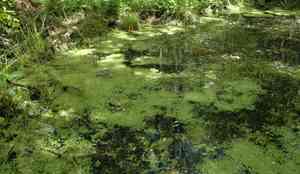
Common Duckweed (Lemna minor)
Also known as: Water Lentil
The smallest flowering plant on Earth is **Wolffia**, also called watermeal. This tiny plant plays a crucial role as a food source for fish and waterfowl. Additionally, Wolffia is effective in mitigating the impacts of agricultural runoff by removing excess nitrogen and phosphorus from aquatic environments.
In This Article
Attributes of Common Duckweed
Lifespan
Perennial, Annual
Plant Type
Herb
Plant Height
15 cm
Spread
15 m
Leaf Color
Green
Flower Size
1 mm
Flower Color
White Yellow Green
Images of Common Duckweed
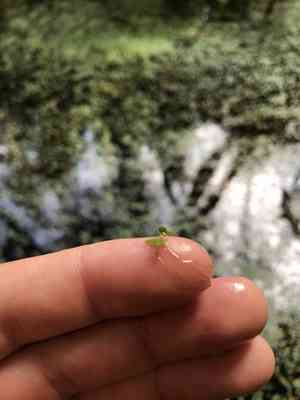
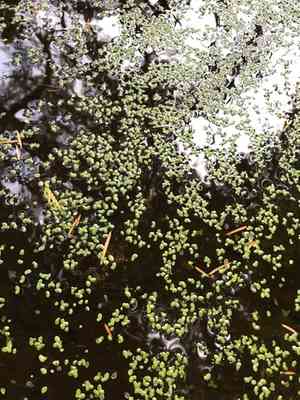
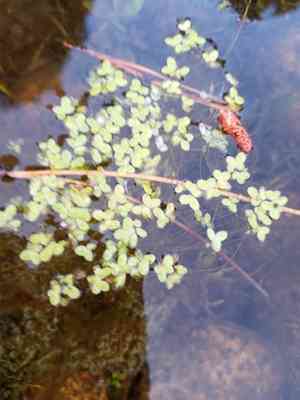
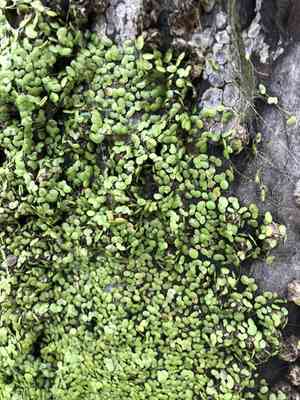
Quickly Identify Common Duckweed
1
Tiny white flowers, 0.04 inches (1 mm) in diameter, inconspicuously nestled within foliage.
2
Smooth, delicate stem, less than 0.04 inches (1 mm) wide, supporting flat, floating fronds.
3
Distinctive green thalli leaves, 1/4 inch (6.35 mm), with ovate shape and three visible veins.
4
Small, green fruit utricles, 1-2 mm, usually overlooked, housing one to few seeds.
5
Solitary fronds not exceeding 0.2 inches (5mm) width, forming dense floating layers.
Scientific Classification of Common Duckweed
Phylum
Vascular plants
Class
Monocotyledons
Order
Alismatales
Family
Arum
Genus
Duckweeds
Species
Common Duckweed
Planting and Growing of Common Duckweed
Care Difficulty
Easy
Watering Schedule
Every 15 days
Sunlight Requirements
Partial sun
Sunshine Duration
4-6 hours
Ideal Temperature
68-77℉
Soil Type
Potting Mix, Peat Mix
Soil pH
5.5-7.5
Fertilizer Type
Balanced
Pruning Season
Spring, Summer
Pruning Area
Branches, Leaves
Pruning Frequency
2 times a year
Repotting Season
Spring
Pot Type
Plastic, Ceramic
 How to Water Common Duckweed?
Lemna minor, commonly known as duckweed, thrives with consistent moisture. When watering, make sure the water level is consistently around 1 to 2 centimeters above the substrate. This ensures the plant receives enough moisture without submerging it completely.
What are the symptoms of an underwatered Common Duckweed?
›
What should I do if my Common Duckweed is not getting enough water?
›
What are the symptoms of an overwatered Common Duckweed?
›
How to save an overwatered Common Duckweed?
›
 What Are the Sunlight Requirements for Common Duckweed?
Lemna minor prefers partial to full shade, ideally receiving 4 to 6 hours of filtered sunlight. This balance promotes healthy growth and maintains vibrant leaf color, crucial for photosynthesis.
Why is ideal light important?
›
How to achieve ideal lighting?
›
What are the benefits of ideal lighting?
›
 What Is the Ideal Temperature Range for Common Duckweed?
The ideal temperature range for Lemna minor, commonly known as duckweed, falls between 68°F and 77°F. Within this range, the plant experiences optimal growth and reproduction. It ensures that the metabolic processes occur efficiently, supporting the plant's health and expansion. Maintaining this temperature helps avoid stress factors that could inhibit growth or lead to undesirable conditions.
 What Soil is Best for Common Duckweed?
Lemna minor thrives in soils that are consistently moist. This helps the plant maintain hydration and supports its rapid growth. The soil should not dry out completely, as this can stunt the plant's development. A nutrient-rich environment is vital for Lemna minor's prolific growth. Soils with high organic content provide essential nutrients that boost its biomass production, which is crucial for its role in ecosystems as a primary producer. Lemna minor prefers soils that can withstand waterlogging, as it often grows in aquatic settings. This quality is beneficial as it helps prevent root oxygen deprivation, allowing the plant to continue photosynthesis efficiently.
 How to Fertilize Common Duckweed?
Lemna minor, commonly known as duckweed, requires a gentle touch with fertilization. It is important to apply an appropriate amount of fertilizer to avoid over-nutrification. For liquid fertilizers, a dilution of 1/4 strength is recommended, given its sensitivity to excessive nutrients.
 How to Prune Common Duckweed?
Use a pond skimmer or rake to gently remove excess Lemna minor from the surface of the water. Slowly skim across the surface to collect the floating duckweed, taking care not to disturb the water too much, as this can promote additional growth. After initial pruning, regularly monitor Lemna minor populations within the ecosystem. Keeping an eye on their growth helps in deciding when the next pruning session is required and prevents sudden overgrowth.
 How to Propagate Common Duckweed plant?
1
Choose healthy and mature plants from which to take divisions. Lemna minor reproduces rapidly, so selecting robust specimens ensures that the divisions will be equally healthy. A mature plant can be identified by its vibrant green leaves and reinforced root system.
2
Gently remove the chosen mature plants from the water and separate them into smaller sections. Each section should contain a few leaves and roots. This method ensures that new plants have the ability to sustain and develop independently, increasing propagation success.
3
After division, place the small plant sections in a propagation tray with shallow water. Ensure the water is free from contaminants. Maintain the water level throughout the growth period to keep the plants hydrated and to avoid desiccation.
 How to Repot Common Duckweed plant?
1
Lemna minor usually requires repotting when growth becomes slow or when you notice the plant outgrowing its container. This typically manifests as roots emerging through the drainage holes or a cluster of crowded fronds. Spring or early summer is ideal for repotting since the plant is emerging from dormancy and actively growing, ensuring it has the energy to establish itself in new soil.
2
For Lemna minor, choose a shallow, wide container to allow adequate surface area for growth. The pot should have drainage holes to prevent waterlogging, which can suffocate the plant's roots. This kind of pot ensures that the plant has ample room to spread without risking root-bound conditions which can impede healthy growth.
3
Select a high-quality, rich potting mix that retains moisture but also allows for adequate drainage. A loamy soil that mimics its natural watery habitat is ideal. This will ensure that the plant remains hydrated while preventing root rot, thereby maintaining an optimal balance of moisture and aeration.

