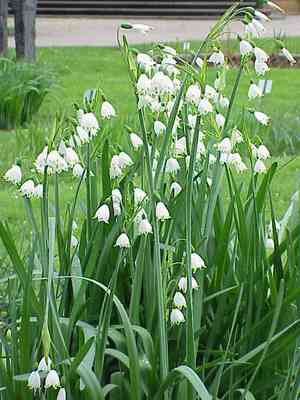
Summer snowflake (Leucojum aestivum)
Also known as: Summer Snowflake, Loddon Lily
Consider planting Russian Sage (Perovskia atriplicifolia) in your garden. This flowering plant species can reach heights of up to 90 cm and is notably resistant to both deer and rabbits. It's a reliable choice for those looking to deter these animals from their garden.
Attributes of Summer snowflake
Images of Summer snowflake
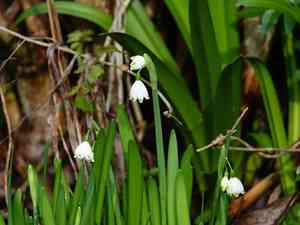
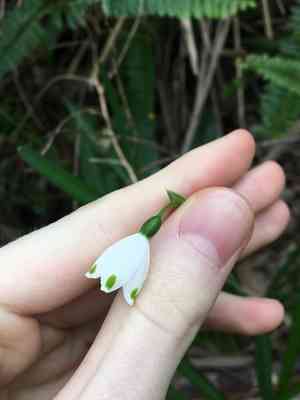
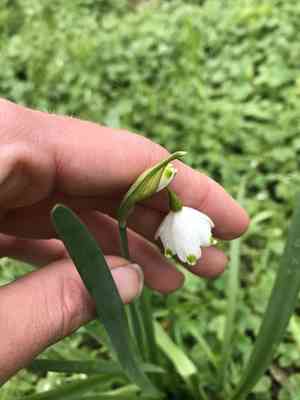
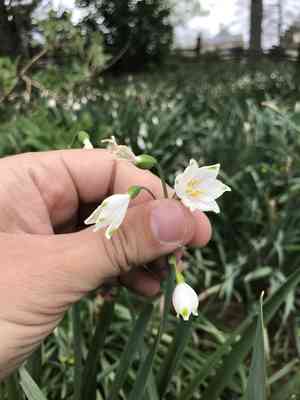
Quickly Identify Summer snowflake
Scientific Classification of Summer snowflake
Planting and Growing of Summer snowflake
 How to Water Summer snowflake?
 What Are the Sunlight Requirements for Summer snowflake?
 What Is the Ideal Temperature Range for Summer snowflake?
 What Soil is Best for Summer snowflake?
 How to Fertilize Summer snowflake?
 How to Prune Summer snowflake?
 How to Propagate Summer snowflake plant?
 How to Repot Summer snowflake plant?
Toxicity of Summer snowflake
Is Summer snowflake toxic to humans?
The summer snowflake is regarded as a potentially toxic species. Its bulb and foliage contain alkaloids such as lycorine and galantamine, which can be harmful if consumed. While there have been no documented fatalities from ingesting either or both parts of the plant, abdominal discomfort is frequently reported, presenting symptoms like nausea, vomiting, and diarrhea. Given the relatively low toxicity of this plant, severe symptoms are uncommon. Most cases resolve within a few hours; however, children may experience different outcomes due to their smaller body size and lower weight, which can render them more vulnerable to serious symptoms such as dehydration and intense nausea.
Is Summer snowflake toxic to cat?
The summer snowflake presents a risk to feline well-being, categorized among toxic plants. Cats may experience poisoning through accidental consumption, particularly by ingesting the bulb, which contains the plant's harmful components. Once affected, cats may show signs of physical distress, illness, or discomfort, although exact symptoms are not specified. Given the gravity of this issue, it is essential for cat owners to promptly consult a veterinarian if they believe their cat has consumed summer snowflake.
Is Summer snowflake toxic to dog?
The summer snowflake is identified as a toxic plant for dogs. When dogs consume this plant, especially the bulb, they face the risk of poisoning. The primary way dogs usually come into contact with the toxin is through unintentional intake, such as when they dig up and nibble on ornamental plants in the garden. After consuming parts of the summer snowflake, a dog may show various signs that suggest poisoning. These signs can include vomiting, diarrhea, stomach discomfort, lethargy, and in severe situations, seizures or heart irregularities. It is essential for dog owners to be alert and prevent their pets from reaching areas where summer snowflake is present. If there is a suspicion that a dog has eaten any part of summer snowflake, it is critical to seek prompt veterinary assistance to ensure the best possible outcome for the animal.



