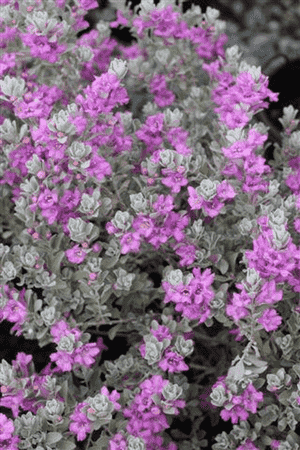
Texas ranger (Leucophyllum frutescens)
Also known as: Texas barometerbush, Texas silverleaf, Wild lilac
Russian Sage (Perovskia atriplicifolia) is frequently used as an ornamental plant due to its ease of cultivation. Despite its name, it isn't a true sage, as it belongs to the Perovskia genus.
In This Article
Attributes of Texas ranger
Lifespan
Perennial
Plant Type
Shrub
Plant Height
1.5 m to 2.5 m
Spread
1.2 m to 1.8 m
Leaf Color
Green Silver Gray
Flower Size
2.5 cm
Flower Color
Purple Pink Lavender
Images of Texas ranger

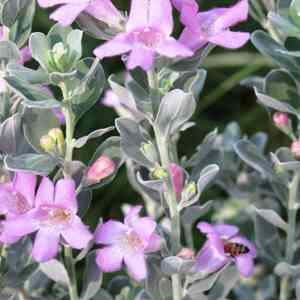
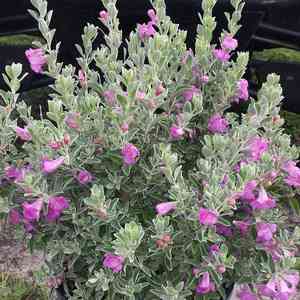
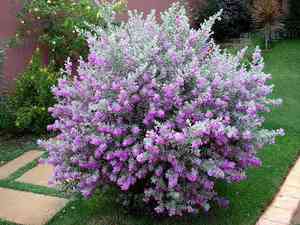
Quickly Identify Texas ranger
1
Silvery, velvety stems with square shape and fine trichomes, 1/4 to 1/2 inch thick.
2
Soft, bluish-grey leaves, 1 to 1.2 inches long, with smooth margins and velvety texture.
3
Compact shrub with showy purple flowers, 1 inch wide, blooming from leaf axils.
4
Seasonal blooms triggered by humidity changes, followed by 2-valved capsules.
5
Thrives in low humidity, drought-resistant, moderate salt tolerance, propagates via seeds or cuttings.
Scientific Classification of Texas ranger
Phylum
Vascular plants
Class
Dicotyledons
Order
Lamiales
Family
Figwort
Genus
Barometerbush
Species
Texas ranger
Planting and Growing of Texas ranger
Care Difficulty
Easy
Watering Schedule
Every 2 days
Sunlight Requirements
Full sun
Sunshine Duration
6-10 hours
Ideal Temperature
66-75℉
Soil Type
Potting Mix, Peat Mix
Soil pH
6.5-8.5
Fertilizer Type
Balanced
Pruning Season
Spring, Summer
Pruning Area
Branches, Leaves
Pruning Frequency
2 times a year
Repotting Season
Spring
Pot Type
Plastic, Ceramic
 How to Water Texas ranger?
Leucophyllum frutescens, also known as Texas Sage, has adapted to thrive in arid environments. When watering, aim to thoroughly moisten the soil, allowing 250 ml of water per session. Ensure the soil is completely soaked but not waterlogged, simulating a rare desert rainfall that deeply hydrates the plant's roots.
More About Watering Techniques→
What are the symptoms of an underwatered Texas ranger?
›
What should I do if my Texas ranger is not getting enough water?
›
What are the symptoms of an overwatered Texas ranger?
›
How to save an overwatered Texas ranger?
›
 What Are the Sunlight Requirements for Texas ranger?
Leucophyllum frutescens flourishes in full sun, receiving 6-8 hours of sunlight daily. Adequate light promotes dense foliage and prolific blooming, enhancing its decorative appeal and making it a resilient garden addition.
More About Sunlight Requirements Techniques→
Ideal Location
›
Obtaining Ideal Sunlight
›
Effects of Optimal Lighting
›
 What Is the Ideal Temperature Range for Texas ranger?
The ideal temperature range for Leucophyllum frutescens is between 66°F and 75°F. This range supports optimal growth and flowering while ensuring the plant is not stressed by extreme temperatures. Maintaining this range can help the plant achieve its full potential in terms of growth and blooming.
 What Soil is Best for Texas ranger?
Leucophyllum frutescens thrives in well-drained soil. This type of soil prevents water from pooling around the roots, reducing the risk of root rot. Good drainage promotes healthy root growth and ensures that nutrients are efficiently absorbed. The plant prefers moderately fertile soil, which provides essential nutrients without the risk of nutrient burn that can occur in overly rich soil. Balancing fertility helps promote steady plant growth and enhances its natural beauty. This plant is accustomed to environments with low organic matter. Excessive organic content can retain too much moisture and nutrient levels, which might hinder its adaptation and growth. Maintaining low organic matter ensures a closer mimicry of its native conditions.
More About Soil→
 How to Fertilize Texas ranger?
When fertilizing Leucophyllum frutescens, you should apply a balanced fertilizer at half the recommended strength. For liquid fertilizers, use approximately 1 tablespoon per gallon of water. Be sure to not over-fertilize as the plant is native to arid environments and requires less nutrients than other species.
More About Fertilizing Techniques→
 How to Prune Texas ranger?
Examine your Leucophyllum frutescens to identify older, woodier stems with less foliage. Prune these older stems first to stimulate new growth and ensure the plant does not become leggy. Trim back any overreaching branches to maintain a symmetrical shape. This helps keep the plant attractive and prevents it from becoming too sparse on one side.
More About Pruning Techniques→
 How to Propagate Texas ranger plant?
1
Choose a healthy, semi-hardwood stem cutting about 4 to 6 inches long from a mature Leucophyllum frutescens plant. Ensure it is disease-free and has a few leaves for optimal rooting capability.
2
Trim the leaves from the lower half of the cutting, and dip the cut end into rooting hormone. This will help in speeding up the rooting process and improve success rates.
3
Use a well-draining potting mix made of perlite and peat moss. Firmly insert the cuttings into this mix and water lightly. Place them in a warm, humid environment to encourage rooting.
 How to Repot Texas ranger plant?
1
Leucophyllum frutescens shows signs like outgrowing its pot, roots protruding from the drainage holes, or soil that no longer drains well. The best time to repot is in spring when the plant begins its active growth phase, ensuring it has enough time to settle and establish in its new home.
2
Choose a pot that is one size larger with good drainage holes. This helps prevent waterlogging, which can lead to root rot. A slightly larger pot allows for root expansion without overwhelming the plant with excess soil, maintaining a healthy, balanced growth environment.
3
Use a well-draining cactus mix with added perlite or sand. This ensures excellent drainage, mimicking the plant's natural arid habitat. Good drainage is crucial to preventing root rot and maintaining the plant's health, providing it with necessary stability and nutrients.



