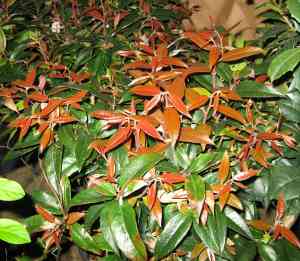
Coastal doghobble (Leucothoe axillaris)
Also known as: Coast leucothoe, Doghobble, Maleberry, Swamp deciduous dog-laurel
The name "coastal doghobble" likely stems from the plant's tendency to entangle hunting dogs with its dense, tangled branches. The Latin name "Leucothoe axillaris" can be broken down into "leukos," meaning white, and "axillaris," referring to the axils (akin to armpits) of the plant where the white, bell-shaped flowers emerge. This evergreen shrub is known for its distinctive drooping blossoms that grow from these axillary positions.
Attributes of Coastal doghobble
Images of Coastal doghobble
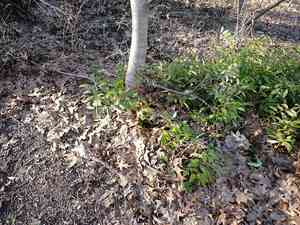
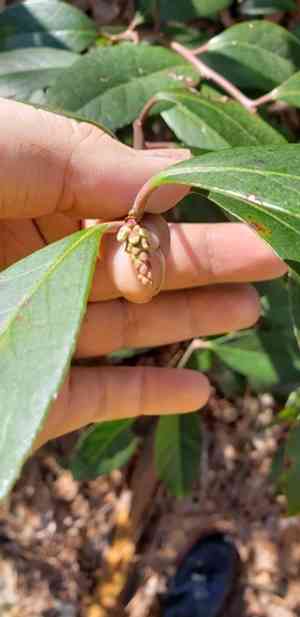
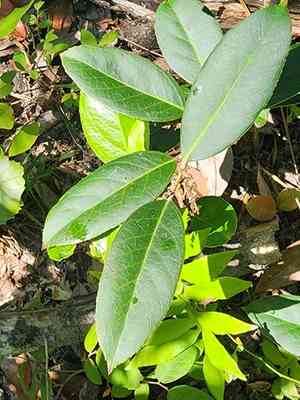
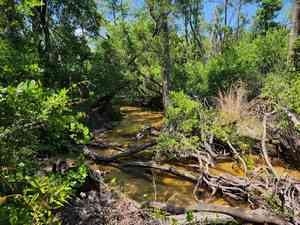
Quickly Identify Coastal doghobble
Scientific Classification of Coastal doghobble
Planting and Growing of Coastal doghobble
 How to Water Coastal doghobble?
 What Are the Sunlight Requirements for Coastal doghobble?
 What Is the Ideal Temperature Range for Coastal doghobble?
 What Soil is Best for Coastal doghobble?
 How to Fertilize Coastal doghobble?
 How to Prune Coastal doghobble?
 How to Propagate Coastal doghobble plant?
 How to Repot Coastal doghobble plant?
Toxicity of Coastal doghobble
Is Coastal doghobble toxic to humans?
Coastal doghobble poses significant risks to humans and can lead to long-lasting harm if consumed. Its leaves and flowers are laced with andromedotoxin, a highly toxic compound that can severely irritate the digestive system and mucus membranes, and in higher doses, it functions as a neurotoxin. Signs of poisoning may include excessive drooling, profuse sweating, tingling in the mouth, headaches, nasal discharge, lethargy, abdominal pain, nausea, vomiting, diarrhea, weakness, and in severe cases, paralysis if ingested in substantial quantities.
Is Coastal doghobble toxic to cat?
Coastal doghobble presents a significant danger to the health of cats, as every part of this plant can be toxic if consumed. Ingesting any portion of the plant may lead to acute or delayed symptoms of distress in felines. Pet owners should remain alert for any changes in behavior or signs of pain or illness in their cats, which could indicate the ingestion of coastal doghobble. It is essential for cat guardians to understand the substantial risks associated with coastal doghobble and to obtain prompt veterinary assistance if poisoning is suspected.
Is Coastal doghobble toxic to dog?
Coastal doghobble presents a significant toxicity threat to dogs. Ingestion of any portion of this plant can result in poisoning. Dogs might be drawn to and nibble on the leaves, stems, or other components of coastal doghobble, all of which are toxic. Symptoms of toxicity in dogs can manifest as vomiting, diarrhea, excessive salivation, weakness, seizures, and in severe cases, coma. Given the elevated toxicity associated with coastal doghobble, it is essential for dog owners to keep their pets away from this plant. If a dog is believed to have consumed any part of coastal doghobble, seeking immediate veterinary assistance is vital for the animal's health and safety.



