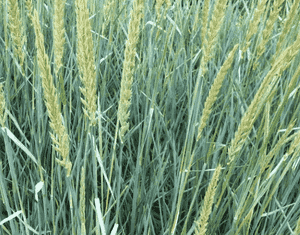
Lyme grass(Leymus arenarius)

Lyme grass (Leymus arenarius)

Also known as: Sea lyme grass, European dune grass

Lyme grass, with its attractive blue-green foliage, is a versatile addition to any garden. Here are some unique uses and benefits:

1. **Erosion Control**: Its robust root system helps stabilize sandy and sloped areas, effectively preventing soil erosion.
2. **Drought Resistance**: This hardy grass thrives in dry conditions, requiring minimal water and maintenance.
3. **Ornamental Value**: The tall, wheat-like spikes and striking leaf color add a unique aesthetic to garden landscapes.
4. **Wildlife Support**: It provides habitat and food for various insects, including butterflies, enhancing garden biodiversity.
5. **Versatility**: Lyme grass can also be grown in containers, making it suitable for various garden designs and spaces.

Incorporating Lyme grass into your garden can add visual appeal while providing practical environmental benefits.

Attributes of Lyme grass

Lifespan
Perennial
Plant Type
Grass
Plant Height
61 cm to 1.2 m
Spread
60 cm to 90 cm
Leaf Color
Blue Gray Silver Green
Flower Size
1-2 cm
Flower Color
Yellow Green Blue Cream Silver

PlantJoy - Identify plants with a snap

Identify and diagnose plants, get toxicity alerts, and explore safety guides for all types of fungi.

Try for Free

Images of Lyme grass

Lyme grass(Leymus arenarius)

Quickly Identify Lyme grass

1
Steel-blue flat leaves distinguish lyme grass with a graceful arching growth form.
2
Floral spikes of beige transition from blue-green with slender, spike-like wind-pollinated flowers.

Scientific Classification of Lyme grass

Phylum
Vascular plants
Class
Monocotyledons
Order
Poales
Family
Grass
Genus
Wildryes
Species
Lyme grass

Planting and Growing of Lyme grass

Care Difficulty
Easy
Watering Schedule
Every 2 days
Sunlight Requirements
Full sun
Sunshine Duration
6-10 hours
Ideal Temperature
60-80℉
Soil Type
Potting Mix, Peat Mix
Soil pH
6.5-7.5
Fertilizer Type
Balanced
Pruning Season
Spring, Summer
Pruning Area
Branches, Leaves
Pruning Frequency
2 times a year
Repotting Season
Spring
Pot Type
Plastic, Terracotta

water icon How to Water Lyme grass?

Leymus arenarius, commonly known as 'Sand Ryegrass,' enjoys a sparse watering schedule. This plant thrives in sandy, well-drained soils, reminiscent of its natural coastal habitat. When watering, aim for around 250ml per session and ensure the soil dries out between waterings. Over-watering can lead to root rot, so it's crucial to water sparingly, just enough to moisten the soil and not saturate it completely.
What are the symptoms of an underwatered Lyme grass?
What should I do if my Lyme grass is not getting enough water?
What are the symptoms of an overwatered Lyme grass?
How to save an overwatered Lyme grass?

sunlight icon What Are the Sunlight Requirements for Lyme grass?

Sunlight Requirements: Full sun, Partial sun
Duration of light: 6 to 8 hours
Leymus arenarius ideally thrives in environments offering full to partial sun. Optimum light ensures vigorous growth, improved stress resistance, and deep root development, fundamental for sandy soil habitats.
Solution
Specific Measures
Effect

temperature icon What Is the Ideal Temperature Range for Lyme grass?

Ideal Temperature: 60 ~ 80℉
Leymus arenarius, commonly known as 'lyme grass,' thrives best in a temperature range between 60°F and 80°F. This range provides an optimal growth environment, ensuring proper enzyme activity and metabolic processes crucial for photosynthesis and respiration. Consistency within this temperature window helps maintain healthy root development and foliage vitality.

soil icon What Soil is Best for Lyme grass?

Soil type: Sandy soil, Sandy loam
Soil PH: 6.5 ~ 7.5
Leymus arenarius thrives in well-drained soil that prevents water from pooling around its roots. This allows for proper oxygenation, reducing the risk of root rot and promoting healthy plant growth. This plant is well adapted to nutrient-poor conditions, such as sandy dunes. It doesn't require rich soil, allowing it to be used in areas where other plants struggle, making it an excellent option for soil stabilization. The plant has a remarkable tolerance for saline conditions, often found in coastal areas. This makes it a prime candidate for beachside planting where salinity can inhibit other plant growth.

fertilize icon How to Fertilize Lyme grass?

Fertilizer type: Balanced
For Leymus arenarius, it is crucial to apply fertilizers with restraint, as it is a hardy species adapted to nutrient-poor environments. Use about 1/4 cup of liquid fertilizer per gallon of water every two weeks during the growing season.

prune icon How to Prune Lyme grass?

Pruning Time: Spring, Summer
Begin by using sharp, clean shears. Trim away any dead or damaged leaves at their base. This encourages healthy new growth and prevents disease. Always cut at a slight angle to help water run off and avoid rot. To maintain its shape, cut back the outermost stems to keep a tidy, defined border. This will prevent the plant from becoming too unruly and will enhance overall bushiness. Leave some room for natural spread. By cutting some of the older, thicker stems down to the ground level, energy is directed towards producing new shoots. This makes Leymus arenarius thicker and more visually appealing.

propagate icon How to Propagate Lyme grass plant?

Propagate Time: Spring, Early summer
1
Start with well-draining soil mixed with sand to mirror the plant's natural habitat. The soil should be slightly moist but not waterlogged to encourage root development during propagation.
2
Leymus arenarius seeds should be sown shallowly on the surface of the prepared soil. Cover them lightly with a thin layer of soil and water gently. Keep the soil consistently moist until germination, which usually occurs in 2-3 weeks.
3
In early spring or early summer, carefully lift the mature plant from the soil. Use a spade to gently separate the root clumps into smaller sections, ensuring each division has a healthy root system for successful transplantation.

repot icon How to Repot Lyme grass plant?

Repotting frequency: Every 2-3 years
1
For Leymus arenarius, you should consider repotting when you notice the roots crowding out from the drainage holes or the soil is so compacted that it doesn’t hold water well. These are indicators that the plant has outgrown its current container and needs more space to thrive.
2
Select a pot that is slightly larger in diameter than the current one. A pot that is too big can lead to overwatering issues, while a pot that is too small won't give the roots enough room to expand. Opt for one with adequate drainage holes to ensure excess water escapes easily.
3
Use well-draining sandy soil to replicate Leymus arenarius's natural environment. This type of soil prevents water-logging, which can lead to root rot. The sand helps maintain structure and promotes healthy root development, emulating the coastal regions where the plant naturally grows.

PlantJoy - Identify plants with a snap

Find the best spots for them to optimize their health, simply using your phone.

Try for Free
